
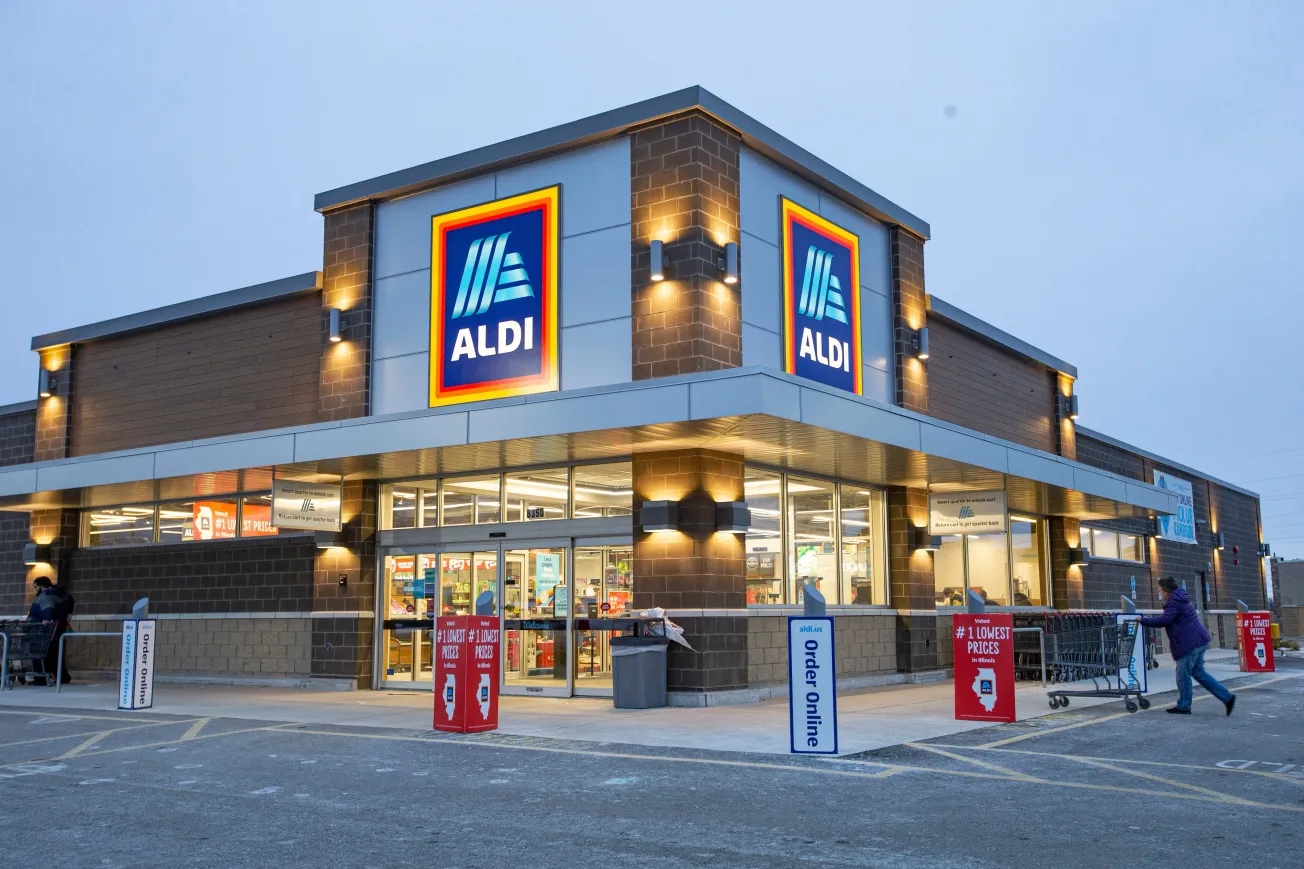
NEW YORK — German discount grocer Aldi is doubling down on its U.S. ambitions, planning to add more than 200 stores on a net basis in 2025 — making it the country’s fastest-growing retailer this year after the two big dollar-store chains, according to Coresight Research.
The push includes moves into new cities and neighborhoods, highlighted by the opening of a flagship location near New York’s Times Square in 2026. At 25,000 square feet, the store will be larger than typical Aldi outlets and anchor the base of the Ellery, a luxury rental tower.
 Thorvardur de Shong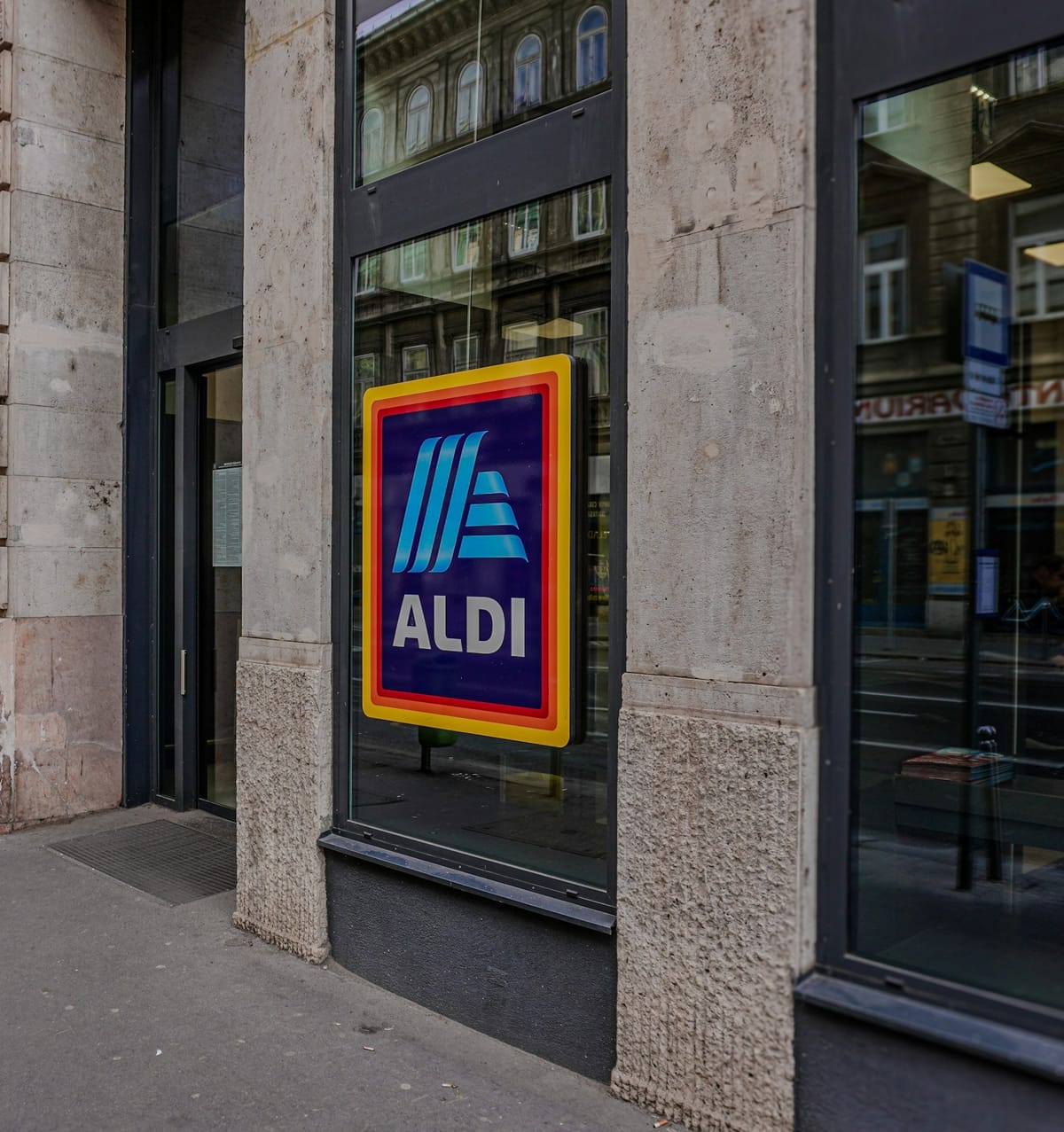
Executives say the timing is right as inflation-conscious Americans look for lower grocery bills without sacrificing quality. Aldi, where 90% of products are private label, keeps costs down by streamlining operations — from stocking items directly in shipping crates to offering a smaller, more efficient store footprint.
“This is really Aldi’s time to shine,” said Neil Saunders of research firm GlobalData. “You can shop on a real budget at Aldi and get quite a lot for your money.”
Shoppers say the appeal goes beyond price. Aldi has invested in improving the look and product quality of its stores while building a reputation for fresh produce, organic options, and its quirky “Aldi Finds” aisle — a rotating shelf of discounted surprises ranging from pet splash pads to boot-shaped candles.
Aldi first entered the U.S. in 1976 and now operates more than 2,500 stores, making it the nation’s third-largest grocer by store count. Nearly half of this year’s new locations will come from conversions of former Winn-Dixie and Harveys supermarkets, which Aldi acquired in 2023.
Looking ahead, the company aims to add 800 more stores by the end of 2028, further cementing its reputation as a no-frills rival to bigger-box competitors. “The Northeast has always been a challenge,” said Dan Gavin, Aldi’s vice president of national real estate. “But we’re figuring out ways to make our model work in these tight urban areas.”