


SEATTLE — Amazon has delivered more than 75 million meals directly to families across the United States since 2020 through a nationwide food access initiative that uses the company's logistics network to transport and deliver food at no cost to recipients or nonprofit partners.
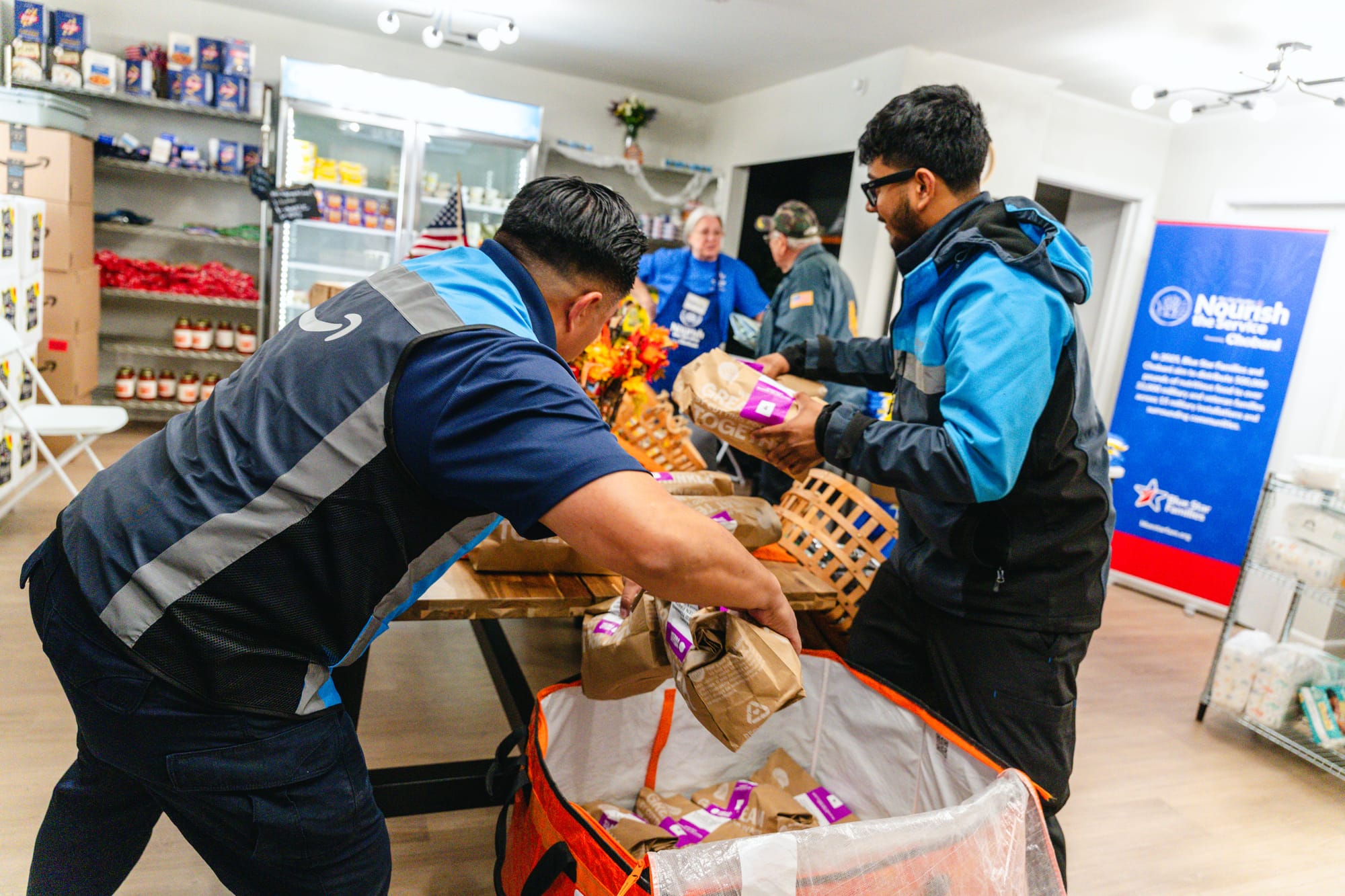
The program, which operates in partnership with more than 150 food banks, schools and community organizations, aims to address food insecurity by tackling what Amazon says is often a transportation and distribution challenge rather than a food supply shortage. According to U.S. Department of Agriculture data, 13.7% of U.S. households experienced food insecurity in 2024. Amazon says its delivery infrastructure can help bridge gaps between food donors and families in need.
The company has focused its efforts on both "last-mile" and "middle-mile" logistics. Through home deliveries, Amazon has brought more than 75 million meals directly to households facing transportation, health or mobility barriers, a service the company estimates saves families about $100 per month in travel and time costs.
Beyond doorstep deliveries, Amazon has also moved more than 45 million pounds of food in bulk across the U.S. this year alone. The food is transported between grocery donors, regional food banks, local pantries and schools, helping nonprofit organizations expand their reach without investing in additional transportation infrastructure.
The initiative has also targeted rural communities, where food assistance networks can be limited. This summer, Amazon partnered with No Kid Hungry to deliver more than 2 million meals to children living in rural areas.
A key component of the effort is Amazon's network of Delivery Service Partners, independent small businesses that operate delivery fleets on behalf of the company. One such partner, Marine Corps veteran Rudy Cazares, dedicates a team of drivers each week to distribute more than 500 meal kits to veterans, military families and other residents across New York City's five boroughs. Working with a local nonprofit, Cazares and his team deliver meals free of charge and support weekly community food distribution events that serve more than 100 veterans.
Amazon said the model is designed to complement existing food assistance programs rather than replace them. Community organizations determine which families receive assistance and source the food, while Amazon provides transportation and delivery capabilities to help move meals efficiently through the supply chain.
The program reflects a growing trend among retailers and logistics providers that are applying supply chain expertise beyond traditional commerce operations to address social and community challenges, particularly as food insecurity remains a persistent issue across the country.


