
SEATTLE — Amazon is shutting down all of its Amazon Fresh and Amazon Go physical grocery and convenience stores as it shifts focus toward Whole Foods Market and faster online grocery delivery, marking the end of the company’s decade-long experiment with Amazon-branded brick-and-mortar grocery stores.
The move affects 72 locations nationwide, including 57 Amazon Fresh stores and 15 remaining Amazon Go stores. Most locations will close on Sunday, February 1, while stores in California will remain open for an additional 45 days to comply with state labor notification requirements. A limited number of former Amazon Fresh sites are expected to reopen as Whole Foods Market locations.
 Thorvardur de Shong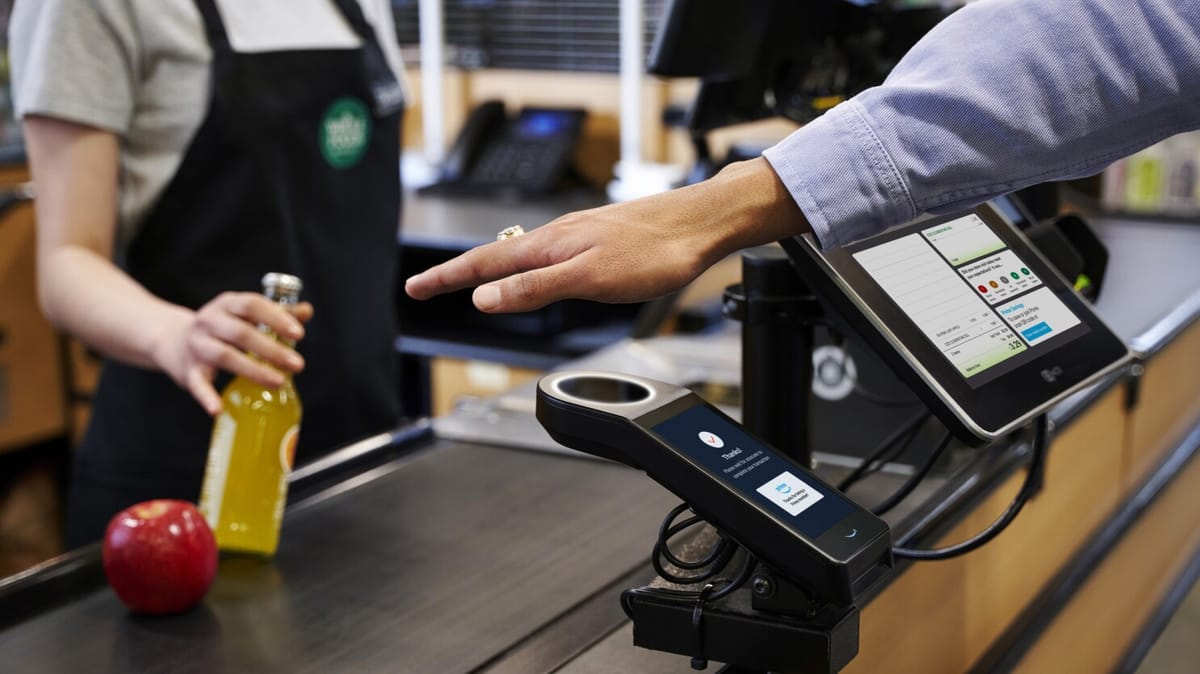
With the closures, Whole Foods Market will become Amazon’s sole physical grocery brand in the U.S., consolidating the company’s in-store strategy around a banner it acquired in 2017.
Amazon framed the decision as a strategic reallocation of capital rather than a retreat from grocery. Despite “encouraging signals” at Amazon Fresh and Amazon Go, the company said it was unable to develop a sufficiently distinctive customer experience paired with an economic model capable of supporting large-scale expansion.
The shift comes amid broader operational streamlining at Amazon, including preparations for another round of corporate layoffs. CEO Andy Jassy has said the company is focused on reducing bureaucracy and prioritizing businesses with clearer paths to growth and profitability.
As part of that restructuring, Amazon is implementing companywide organizational changes that will affect approximately 16,000 roles. The reductions follow an October announcement to reduce management layers, increase ownership, and remove bureaucracy, with some teams completing those changes only recently. Most U.S.-based employees whose roles are eliminated will be given 90 days to seek new positions internally, while those who do not transition will receive severance pay, health benefits, and outplacement support. Amazon said it will continue hiring in strategic growth areas and emphasized that the changes are not intended to signal recurring large-scale layoffs.
Employees and severance
Amazon did not disclose how many employees will be impacted by the store closures. The company said it is working to place affected workers in other roles across its fulfillment, logistics and operations network. Employees who are not redeployed will receive 90 days of full pay and benefits as part of a severance package.
In an internal memo to staff, Jason Buechel, Amazon’s Worldwide Grocery Stores vice president and CEO of Whole Foods Market, told teams that Amazon Fresh and Go employees “pioneered something new” and emphasized that the Amazon Fresh brand will continue online.
What stays and what goes
Amazon will continue to operate:
- Amazon Fresh online grocery delivery in eligible markets
- A hybrid Amazon grocery store alongside Whole Foods in Chicago
- A “store-within-a-store” concept at a Whole Foods location in Plymouth Meeting, Pennsylvania
The company is also exploring new physical retail formats, including a large supercenter-style store combining groceries with general merchandise. A 230,000-square-foot Amazon supercenter in Orland Park, Illinois, has been approved and is expected to open in 2027.
 Thorvardur de Shong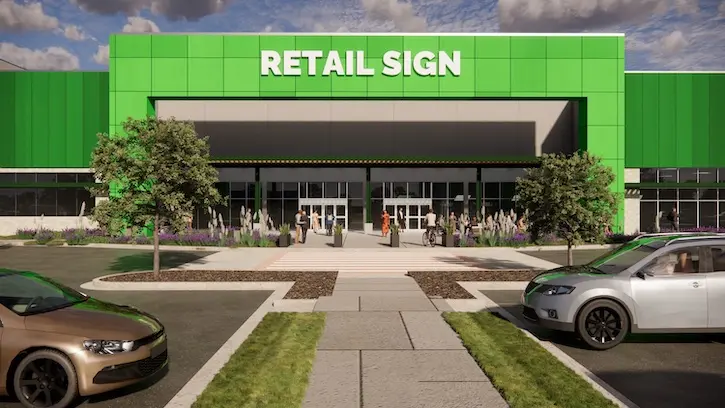
Doubling down on what’s working
Amazon reiterated that it remains one of the top three grocers in the U.S., with more than $150 billion in gross grocery sales and roughly 150 million customers shopping for groceries annually. Whole Foods Market sales have grown more than 40% since the acquisition and now span more than 550 locations, with plans to open more than 100 additional stores over the next several years.
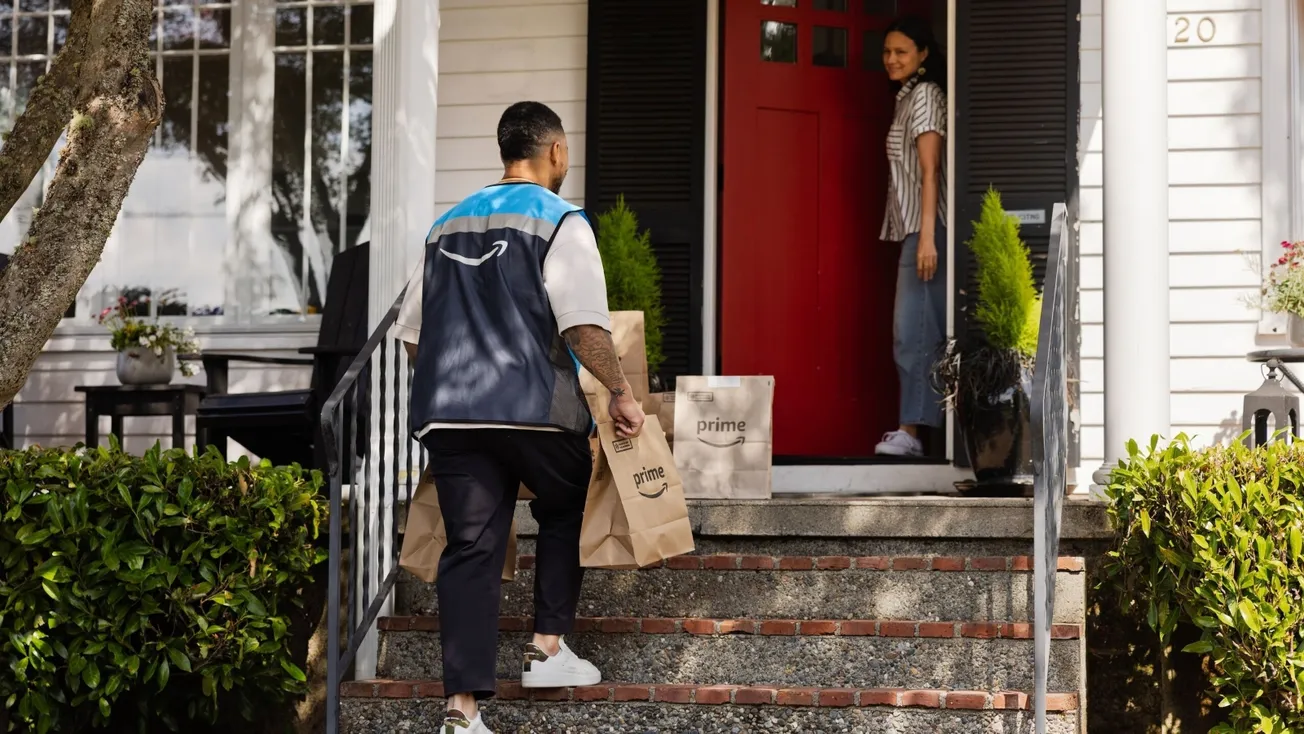
At the same time, Amazon is accelerating online grocery delivery, particularly Same-Day Delivery for perishables. The service is now available in about 2,300 U.S. cities and towns, up from roughly 1,000 last summer. Perishable grocery sales through Same-Day Delivery have grown 40-fold since January 2025, with fresh items accounting for nine of the top 10 most-ordered products in markets where the service is offered.
The company is also testing Amazon Now, an ultra-fast delivery option promising delivery in 30 minutes or less in select cities.
Legacy of Amazon Go
Although the Amazon Go stores are closing, their most visible innovation will persist. The cashierless “Just Walk Out” technology pioneered at the original Amazon Go location in Seattle will continue to be offered as a licensing business. Amazon said the technology is now deployed at more than 360 third-party locations across five countries, including hospitals and sports arenas, as well as in more than 40 Amazon fulfillment center break rooms.
Looking back, the consolidation around Whole Foods and delivery had been building for some time. On Amazon’s October earnings call, analysts questioned whether physical Amazon Fresh stores were still necessary given the traction in online grocery. Jassy highlighted same-day perishable delivery as a key growth driver, signaling where Amazon now sees the strongest long-term opportunity.
Submit Your Press Release
Have news to share? Send us your press releases and announcements.
Send Press Release