
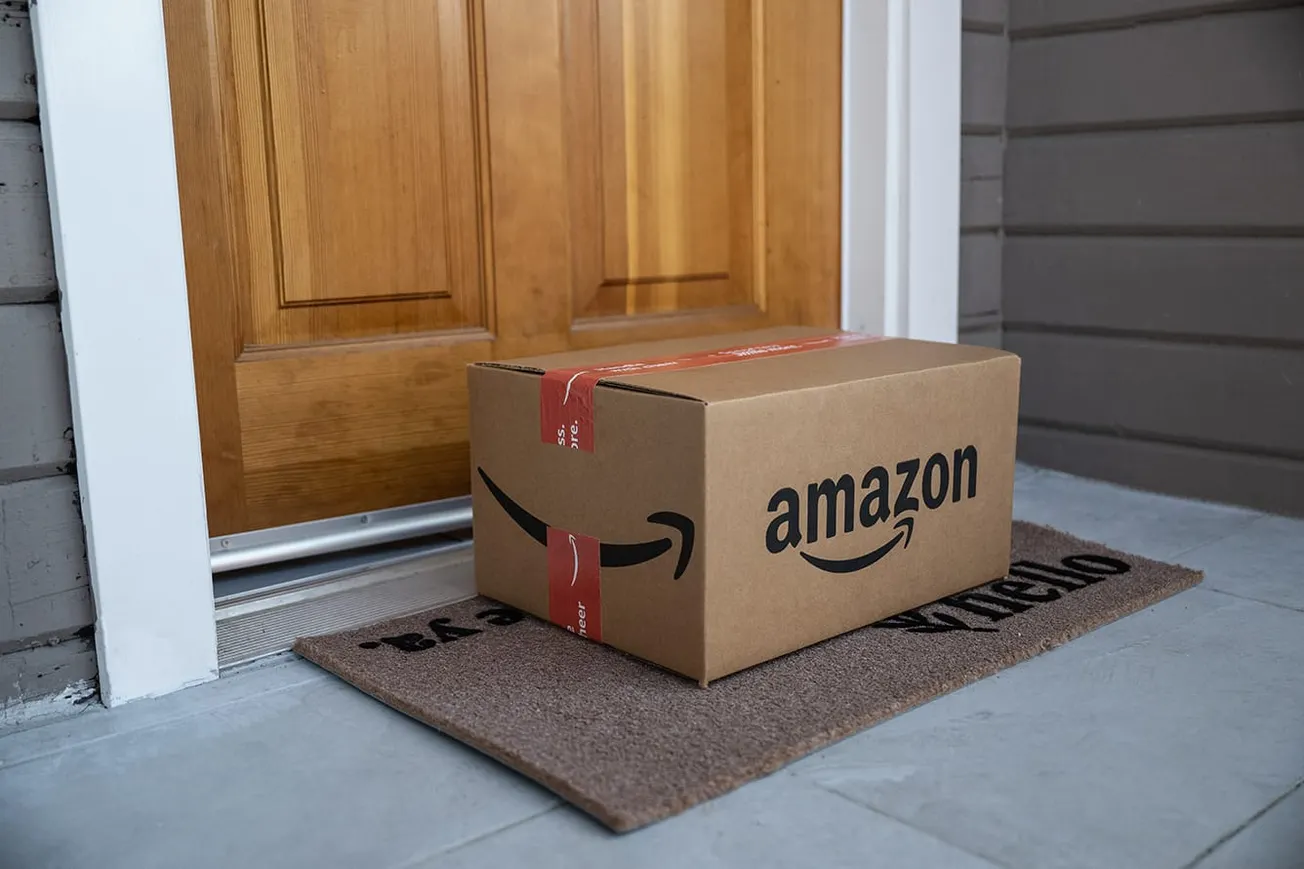
Amazon plans to invest an additional $1.9 billion in its Delivery Service Partner program in 2027, an initiative expected to help the independent delivery businesses that work with the company raise average driver pay while expanding investments in safety and artificial intelligence-powered technology.
The investment will help DSP owners increase pay for Delivery Associates to a national average of nearly $24 an hour, Amazon said. Over the eight-year history of the program, the company has invested $21.7 billion to support DSPs and their delivery teams.
Amazon announced the latest initiatives at Ignite Live, its annual gathering of thousands of DSP owners from the United States and Canada in Las Vegas. The updates were detailed in a blog post by Beryl Tomay, Amazon’s vice president of transportation.
The company said its investments over the past three years are expected to have helped DSP owners increase driver pay by an average of 16% nationwide. The latest increase is expected to lift national average earnings by roughly $1 an hour to nearly $24.
Amazon noted that individual DSPs determine compensation and how they invest in their businesses. All DSPs provide health care coverage and paid time off to full-time Delivery Associates, while many also offer 401(k) plans, tuition reimbursement and other benefits.
Safety is another focus of the program. Since 2022, Amazon has invested more than $543 million in safety initiatives, programs and technology for DSPs and their employees. The company said serious vehicle crashes across its delivery network declined more than 23% last year.
Amazon is now rolling out surround-view cameras designed to identify vehicles, cyclists and pedestrians from multiple directions and alert drivers. The company expects the technology to be installed in half of the Rivian electric delivery vehicles in its network by the end of this year.
It is also adding dynamic hazard alerts to the Amazon Delivery App, providing real-time warnings about accidents, road closures and construction. Navigation technology will automatically adjust routes when bad weather or other hazards are detected. Amazon is also using AI to analyze driving trends that may be associated with accidents, giving DSP owners information they can use for driver coaching.
Artificial intelligence is playing an increasingly important role elsewhere in Amazon’s last-mile operations. The company’s Wellspring generative AI mapping technology learns from deliveries to create increasingly detailed models of delivery locations. Since 2024, Amazon said it has identified 202 million parking locations, mapped 2.8 million building entrances and cataloged 85,000 mailrooms and lockers.
Amazon is also expanding its Smart Delivery Glasses, wearable technology that uses computer vision to display navigation information and delivery details in a driver’s line of sight. New features include an LED headlamp, hands-free scanning and proactive address verification. Amazon expects to have more than 20,000 of the devices in use by the end of 2027.
Beyond its operational investments, Amazon is committing $70 million over the next five years to community initiatives led by DSP owners. The funding includes support for Amazon Local Good, which uses the company’s last-mile network to transport donated goods for nonprofit organizations at no cost to the nonprofits.
In 2025, DSPs participating in Local Good completed 4,800 routes, distributing more than 8 million essential items and more than 4 million meals. Amazon expects its latest investment to help transport and deliver more than 150 million essential items, including meals, over the next five years.
Eight years after its launch, Amazon said the DSP program has developed into a network of thousands of independently owned small businesses that play a central role in the company’s last-mile delivery operations.
“The success of the DSP program reflects what happens when small businesses are given real opportunities and genuine support,” Tomay said.
Submit Your Press Release
Have news to share? Send us your press releases and announcements.
Send Press Release