
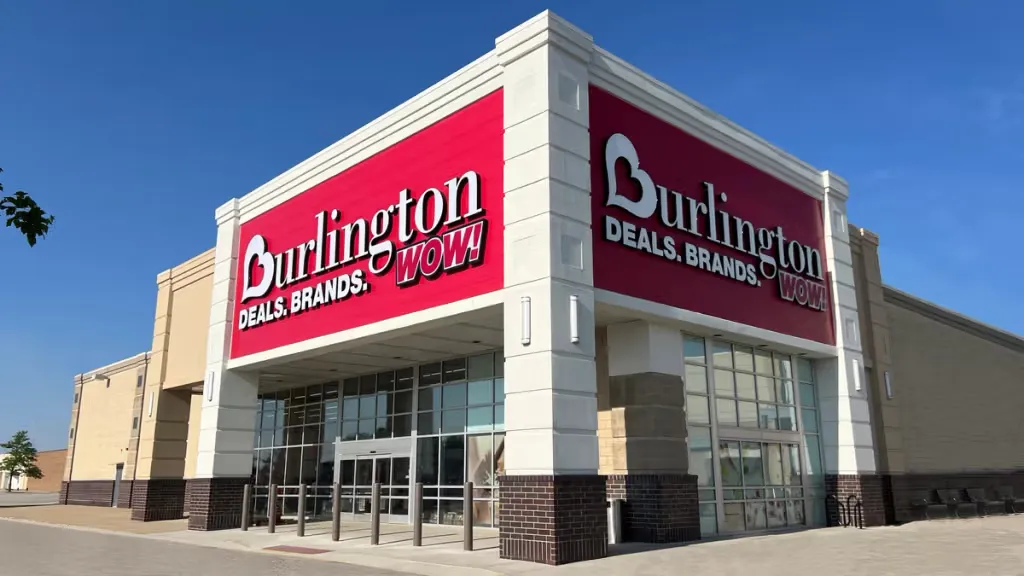
Burlington Stores Inc. this summer marked a milestone on its path to becoming a more alluring retailer with outlets nearly 70% smaller than its boxy stores of yesteryear and that promise shoppers a treasure-hunt experience of the type they can’t get online.
The Burlington Township, N.J.-based company recently reached the approximate mid-point of a store revamp featuring new layouts, signage and fixtures that make stores feel new and exciting and give shoppers an uncluttered path to name-brand apparel, footwear, and home goods offered at lower-than-prevailing prices.
Meanwhile, the company continues to open smaller-format stores, with about 100 expected this year that deliver the treasure-seeking, bargain-hunting shopping experience strongly identified with off-price retailing.
“Historically, the customer perception of Burlington was big, old, difficult to shop stores, consistent with our ‘Coat Factory’ heritage,” Michael O’Sullivan, Burlington’s chief executive officer, said on the company’s second-quarter earnings call. “But that is not who we are anymore.”
A more diversified product mix
Founded in 1972 as a store operated out of a factory, Burlington dropped coat from its name in 2009 to better reflect diversification of its product assortment. Burlington’s merchandise mix has been reconfigured further since O’Sullivan’s arrival in 2019 after 16 years at Ross Stores, a Dublin, Calif.-based retailer of closeout merchandise, including men's, women's, and children's clothing. Apparel accounts for about half of Ross’ sales.
Burlington’s inventory has been reduced by a third since O’Sullivan’s arrival even as new product lines have been added in beauty, home goods and other categories. Apparel remains a core category, and shoppers can still buy a coat. But outerwear accounts for a just a sliver of annual sales.
Burlington hasn’t had an e-commerce presence since 2020, when it pulled down the platform to concentrate on the physical stores.
Company executives say that Burlington’s downsizing more closely aligns the company with the future of retail and strengthens its competitiveness at a time when consumers across income levels are seeking the value off-price retailers are known for.
 Mark Baumgartner
So far, the strategy is working. Store traffic data from Placer.ai suggests that visits to Burlington’s stores were up 8% in the second quarter. “The increase in visitor frequency is likely driven by a combination of today's shoppers' extreme value orientation – with some consumers likely trading down from traditional apparel – and by the treasure-hunt experience created by these chains,” said Bracha Arnold, content writer at Placer.ai. “Shoppers know that the inventory can change significantly from week to week, which incentivizes frequent trips.”
O’Sullivan also cites “Burlington 2.0,” a set of initiatives to upgrade merchandising and in-store experiences, for the retailer’s ongoing gains in market share and sales comps. “Many of these initiatives are in the early stages of their potential impact,” he said. “We are excited because we expect this impact to grow over time and to drive our longer-term performance.”
Merchandise availability 'very strong right now'
Merchandising 2.0 is the collective name for new systems, processes and tools developed by Burlington and introduced to buyers to help them more effectively and rapidly respond to sales trends and external factors. Stores 2.0 encompasses work to raise and maintain standards for executives, store managers and field teams, O’Sullivan said, and includes the introduction of systems, processes, tools and reports that drive consistency and efficiency.
“In the past year, we have seen the impact of these programs really start to take off,” he said. “Our customer service scores are running at historical highs, and we have seen improvements across all major operational metrics.”
Burlington’s strong performance in the first half of 2025 – net income up 28% from a year earlier on an 8% increase in sales – attests to the company’s ability to profitably gain market share in an uncertain retail environment, O’Sullivan told analysts. And as off-price retail grabs share and real estate from declining competitors, it’s easier for the discounters to acquire rivals’ unsold inventory.
“Overall, merchandise availability in the off-price channel is very strong right now across the store,” O’Sullivan said. “We’ve had no problem finding great deals to fuel that trend.”