

WASHINGTON — The convenience sector is rapidly evolving, and its effect on operators is becoming more tangible rather than just theoretical. The main trend is straightforward: fuel can still attract customers, but it no longer drives growth on its own. The main competition now takes place inside the store.
| Click here for our complete C-store coverage |
That shift is prompting a reevaluation of execution priorities across the channel. In practical terms, operators are being encouraged to focus on conversion, not just visits. Every trip to the pump now offers an opportunity to increase basket size through foodservice, beverages, and immediate-consumption categories—areas that are proving to be the most consistent drivers of profit and loyalty.
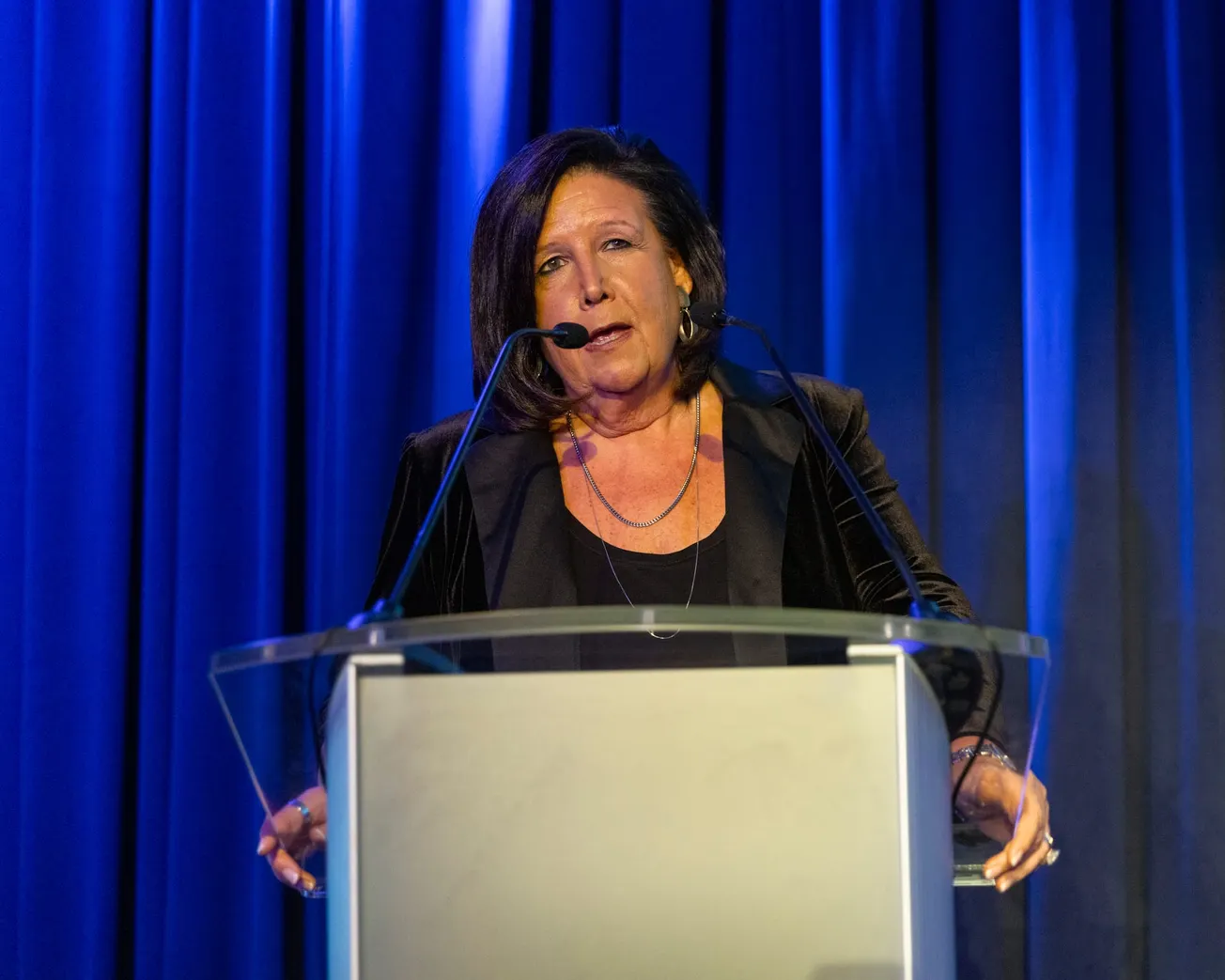
The perspective comes from recent category analysis shared by Bill Pink, SVP of Brand and Data Strategy at Morning Consult, who examined how leading c-store brands are gaining an advantage in a changing demand environment.
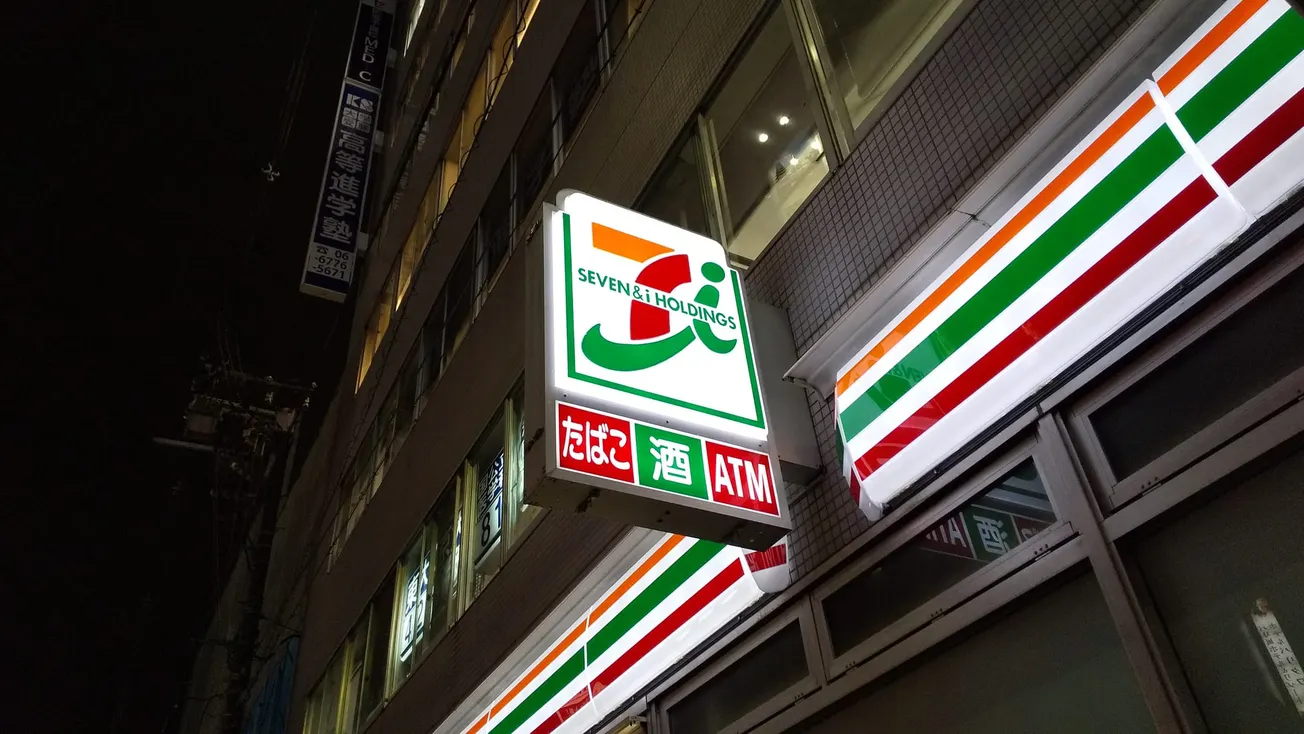
The operators gaining ground are those who have already adopted this model. 7-Eleven continues to lead by offering a wide range of options across snack, coffee, and convenience occasions, while Circle K is strengthening its position with younger and more price-sensitive consumers. Regional players such as Wawa, Casey’s, and Sheetz are setting the pace with their execution, consistently outperforming their footprint by providing a better in-store experience focused on food, cleanliness, and trip reliability.
In contrast, traditional fuel-driven brands face a growth limit. High awareness no longer drives more valuable purchases, highlighting a gap between station traffic and in-store engagement. The clear message is: visibility alone isn’t enough without a strong reason for customers to enter.
At the same time, macro pressure is increasing across the category. Rising fuel costs and broader economic uncertainty are boosting price sensitivity, with both fuel and in-store prices now serving as barriers to conversion. This is putting pressure on discretionary spending, especially in higher-margin categories that have traditionally supported c-store profitability.
Within this environment, execution becomes the main lever. Operators focus on store-level improvements such as faster checkout, better layout flow, and clearer price communication, all aimed at reducing friction during the visit. Equally important is enhancing perceived value, not just through discounts, but through a mix of quality, consistency, and rewards programs that strengthen the overall offer.
Looking ahead, the channel’s strategic direction is becoming more defined. The most successful retailers will be those that expand their relevance across everyday occasions while maintaining operational discipline at the store level. Loyalty programs, in particular, represent an underutilized opportunity to bridge the gap between rising price sensitivity and customer retention.
The category is no longer purely transactional. It is evolving into an experience-driven model where food, convenience and value intersect. Operators that adapt to that reality and execute against it consistently will be best positioned to capture growth as the competitive landscape continues to shift.
Submit Your Press Release
Have news to share? Send us your press releases and announcements.
Send Press Release