
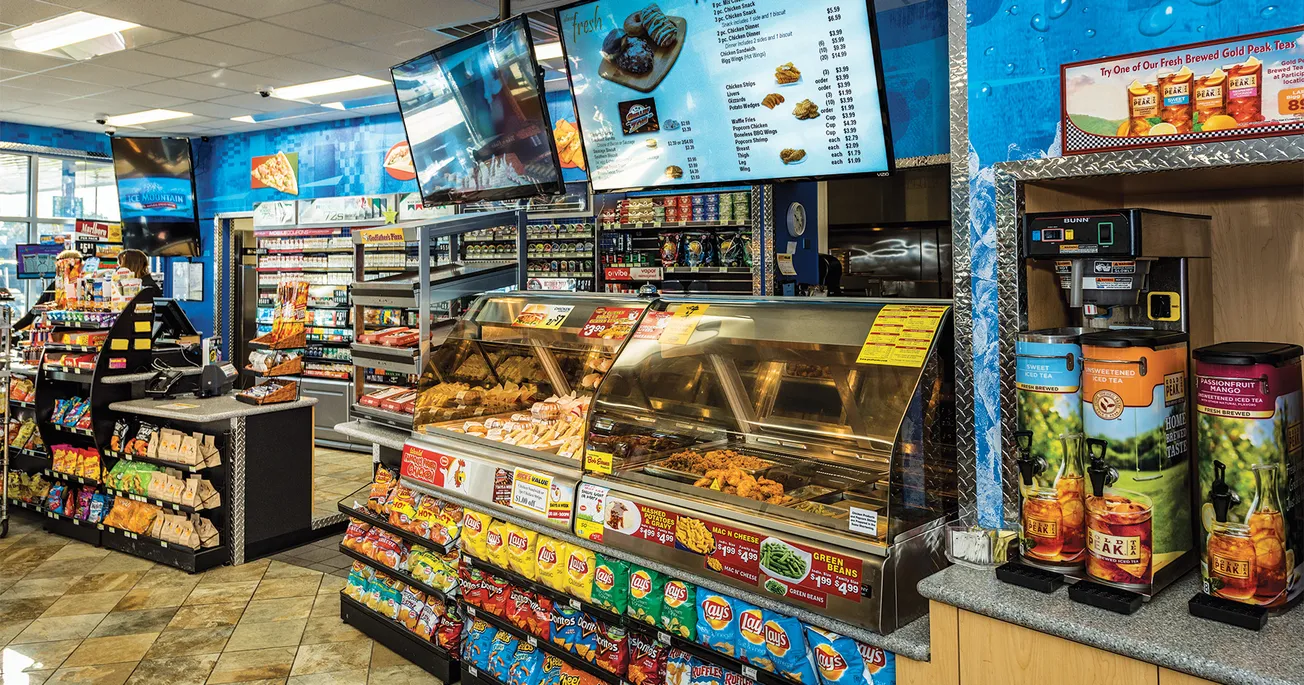
For decades, convenience stores were primarily known for filling up on fuel, grabbing a soda, or buying a pack of gum. Today, they’re transforming into something very different: serious food destinations — and uniquely, people-first businesses — that increasingly compete with, and sometimes outperform, traditional quick-service restaurants (QSRs).
Breakfast Battle: A Shift in Morning Traffic
Recent data shows where the momentum is strongest: the breakfast daypart.
- Morning visits to fast-food chains increased by only 1% in the three months ending in July 2025, according to Circana.
- By contrast, traffic to food-forward c-stores like Wawa, Casey’s, Sheetz, and Buc-ee’s jumped 9% in the same period.
“The morning meal has been their strong suit,” said David Portalatin, Circana’s senior VP and foodservice industry advisor. “Food-forward c-stores are pulling in customers with the right mix of speed, value and variety.”
Foodservice Becomes the Growth Engine
The numbers back it up.
- In 2024, foodservice accounted for 27.7% of all in-store sales and delivered 38.6% of gross profits, according to NACS.
- Prepared foods alone accounted for 72.6% of foodservice revenues, while cold-dispensed beverages increased by nearly 9% year-over-year.
That makes food the industry’s most profitable inside category — a vital buffer as fuel and tobacco sales face long-term declines.
Why Consumers Are Choosing C-Stores
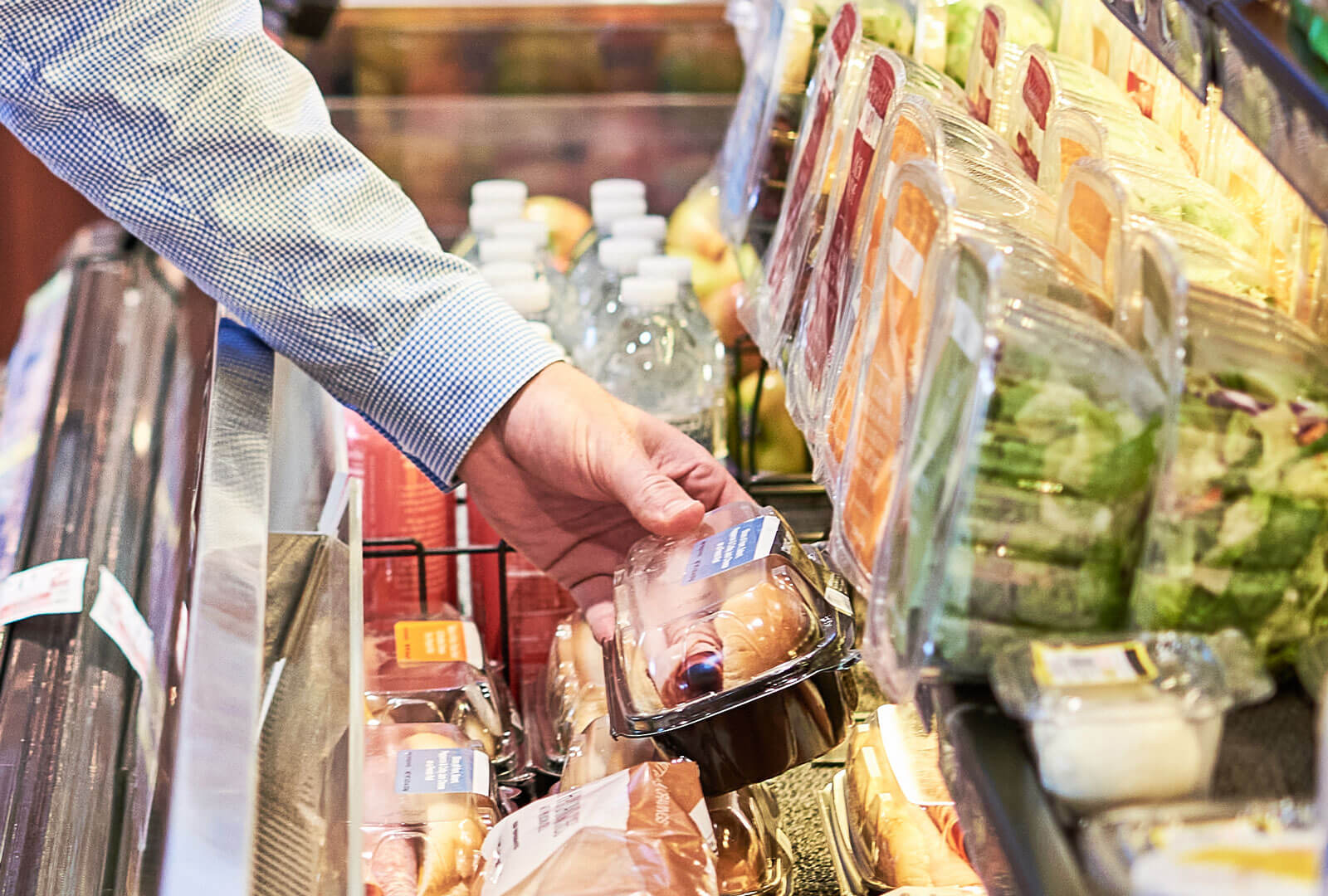
A growing number of Americans now view convenience stores as a viable alternative to fast food.
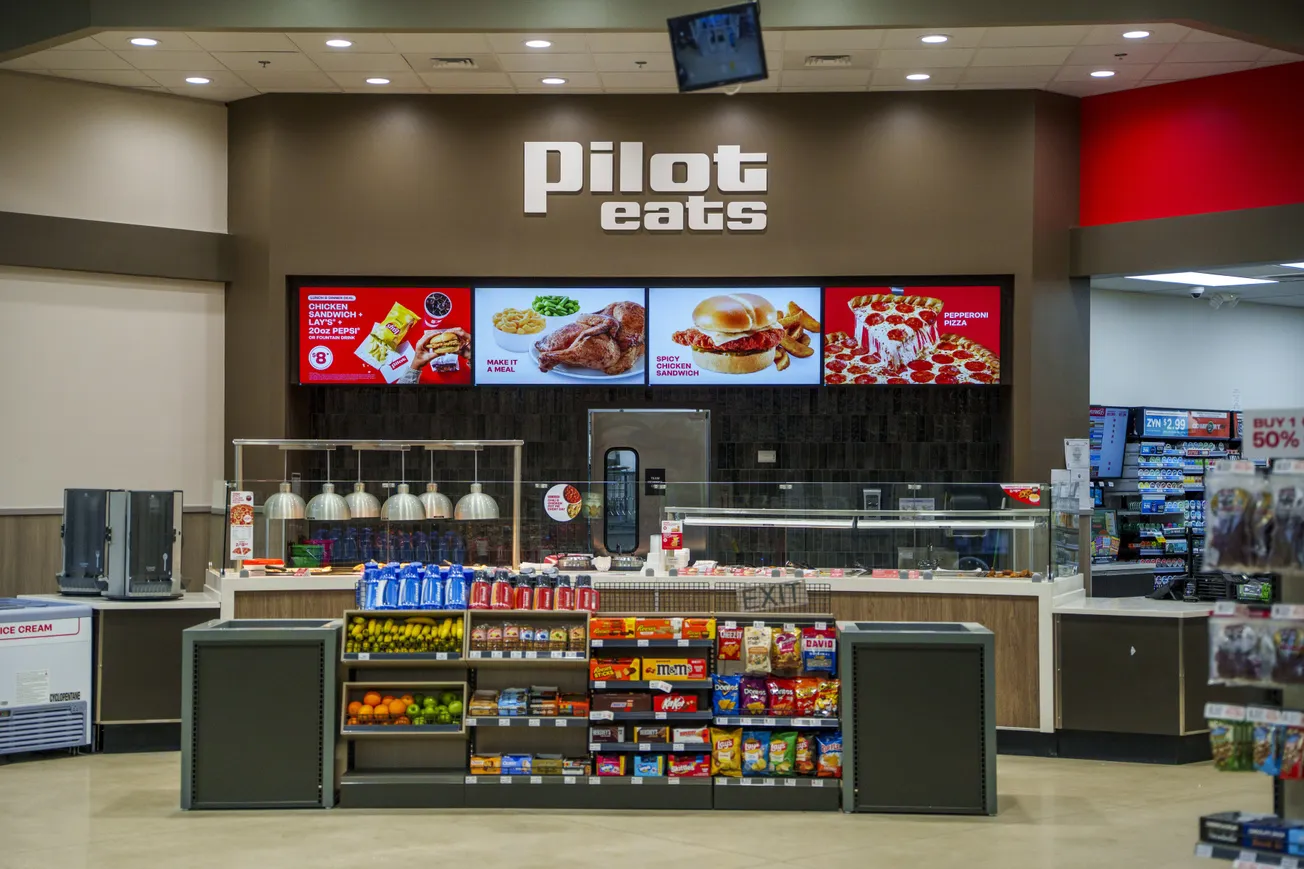
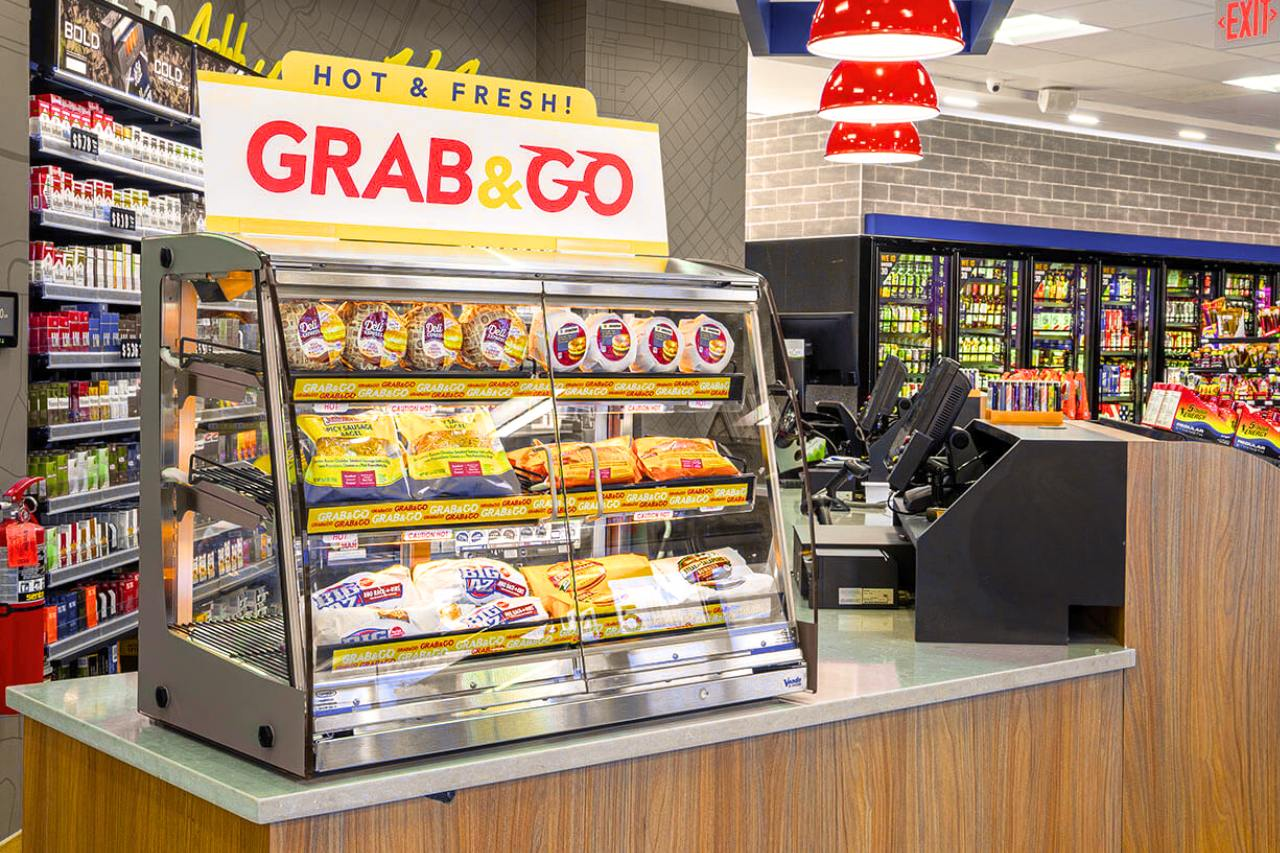
Part of the appeal is the price — a breakfast sandwich and coffee from a convenience store often cost less than a QSR combo meal. However, variety is another significant advantage. In addition to made-to-order sandwiches or pizza, convenience stores can offer energy drinks, protein shakes, yogurt smoothies, or fresh fruit.
And quality is catching up fast. “The ultimate differentiator is that quality aspect,” said Circana’s Portalatin. “That’s what will set apart the winners from the losers.”
A People Business at Its Core
While technology often dominates headlines, NACS’ Jeff Lenard emphasizes in an interview with Mass Market Retailers that people remain the heart of the convenience retail industry.
 Thorvardur de Shong
“Convenience stores conduct about 160 million transactions a day in the U.S.,” he said. “That’s nearly half the population walking through our doors daily. The real challenge is how we attract and keep great people — and how we use them to create customer experiences that keep shoppers coming back.”
That focus on human connection stands in contrast to many QSRs, which have downsized dining rooms and pushed traffic through drive-through lanes. “Drive-throughs are efficient, but you’re talking into a box and hoping the bag you get handed is correct,” Lenard noted. “It’s not the same as walking into a store and having a conversation with someone who knows you.”
Innovation and Expansion
The momentum is spurring significant investments:
- 7-Eleven is borrowing from its successful Japanese model to expand its U.S. prepared foods lineup.
- RaceTrac is acquiring Potbelly in a $566 million deal, potentially bringing sandwich shops directly into its stores.
- Regional operators Wawa and Casey’s are launching new formats and kitchens to address the increasing demand.
- Smaller players are scaling up too: Fast Stop recently announced nine new quick-service locations, touting food that some customers say is “better than restaurants.”
The Takeaway
Convenience stores are no longer just selling snacks and gas — they’re directly competing with fast-food chains for meal occasions, especially breakfast. But beyond food, they’re succeeding in building relationships and providing excellent service, with staff who understand their communities and foster loyalty one transaction at a time.
With prepared food and beverages now central to profitability, expect to see more kitchen buildouts, menu innovation, loyalty-driven promotions, and people-first strategies in the months ahead.
The key question for the wider industry is no longer whether convenience stores can provide foodservice, but rather how much they can expand and how much additional market share they can gain from traditional quick-service restaurants.