
This article is featured in the October edition of Mass Market Retailers.
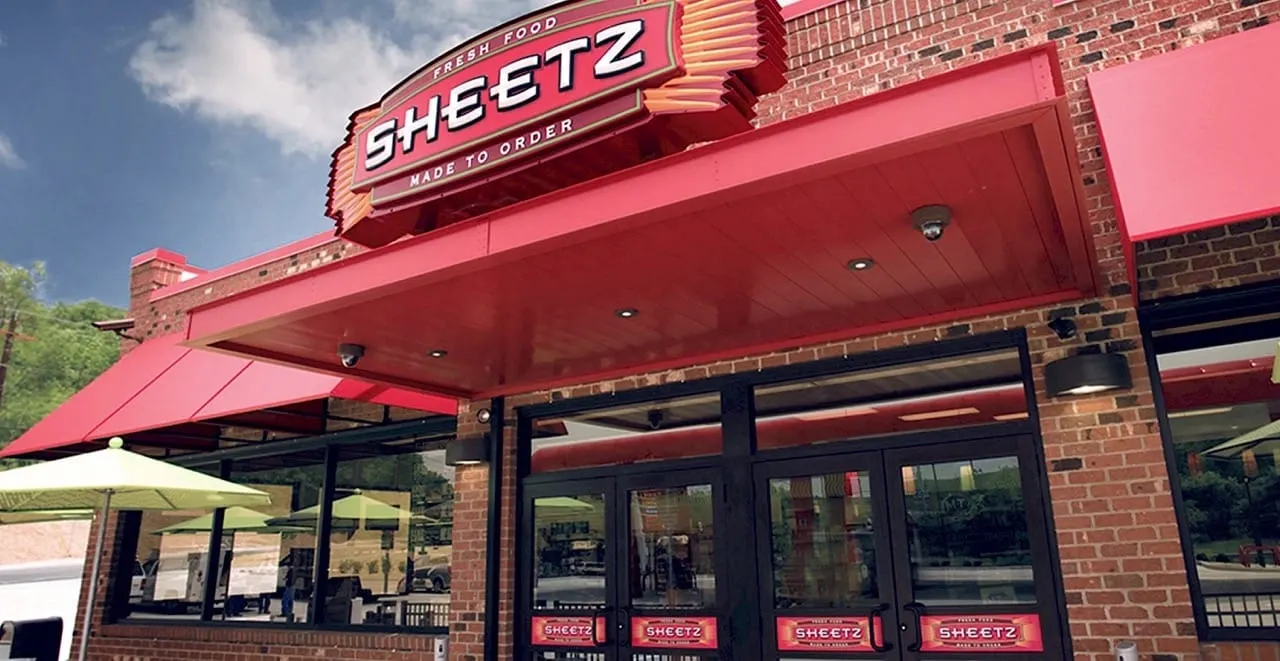
JACKSONVILLE, Fla. – Convenience stores have built their business on speed and accessibility, but new research suggests that fresh food, value and expanded meal options could help operators compete for a larger share of consumers’ food and beverage spending.
More than half of c-store shoppers buy food or beverages from the channel at least once a week, according to new Acosta Group research. The study, based on a survey of 775 U.S. c-store shoppers, found that consumers often choose convenience stores for immediate needs but routinely switch among c-stores, restaurants, grocery stores and mass retailers depending on the occasion.
Road trips and travel days bring 37% of surveyed shoppers to c-stores, while 32% visit for a quick snack and 32% choose the channel because it is the closest option. At the same time, 81% of c-store shoppers also buy food or beverages from fast-food restaurants, 78% from mass merchandisers, and 77% from traditional grocery stores.
“Convenience stores have earned an incredibly valuable position with shoppers because they solve real needs quickly, but convenience alone isn’t enough to win every occasion,” said Kathy Risch, SVP, Shopper Insights and Thought Leadership for Acosta Group. “Shoppers are telling us that value and food quality can change the equation. When c-stores pair their inherent advantage in speed and accessibility with fresh, high-quality food and beverage offerings, they have an opportunity to compete for occasions shoppers may be taking elsewhere today.”
Value ranked as the top opportunity. Fifty-three percent of shoppers said that better value for the money would make them more likely to purchase food and beverages from c-stores, followed by higher-quality food at 47% and more freshly prepared meals and snacks at 35%.
Prepared food is already well established in the channel. Eighty-four percent of respondents reported purchasing prepared food from a c-store in the previous three months. Among combinations tested by Acosta Group, a sandwich paired with a beverage was the most appealing, selected by 62% of shoppers.
“The next phase of convenience is about getting more out of an interaction retailers already have with the shopper,” said Hobart Walker, SVP, Small Format Division, Acosta Sales Agency. “The right assortment for the market can turn a quick stop into a larger basket while giving shoppers more reasons to come back.”
Health and wellness could provide another avenue for growth. Nearly three-quarters of shoppers said healthier or better-for-you foods are at least somewhat important when shopping at c-stores. Freshly prepared foods, fresh fruits and vegetables, and high-protein options generated the strongest interest.
“The c-store shopper isn’t one-dimensional, and neither is the competitive landscape,” said Jami McDermid, president of CROSSMARK. “Brands need to understand which products and occasions can break through, then make sure those products are available, visible and ready to convert demand at the shelf.”
The findings point to an increasingly broad competitive set for convenience retailers. Fast-food restaurants remain key competitors for quick meals and cravings, while coffee shops compete for beverage and indulgence occasions. Grocery stores and mass merchants remain strong for fill-in and stock-up trips.
“Consumers aren’t thinking about channels when hunger hits; they’re deciding what can satisfy the occasion,” said Travis King, president of CORE Away From Home. “That creates an opportunity for c-stores to strengthen fresh food and foodservice programs and compete for meals that might otherwise go to a restaurant.”
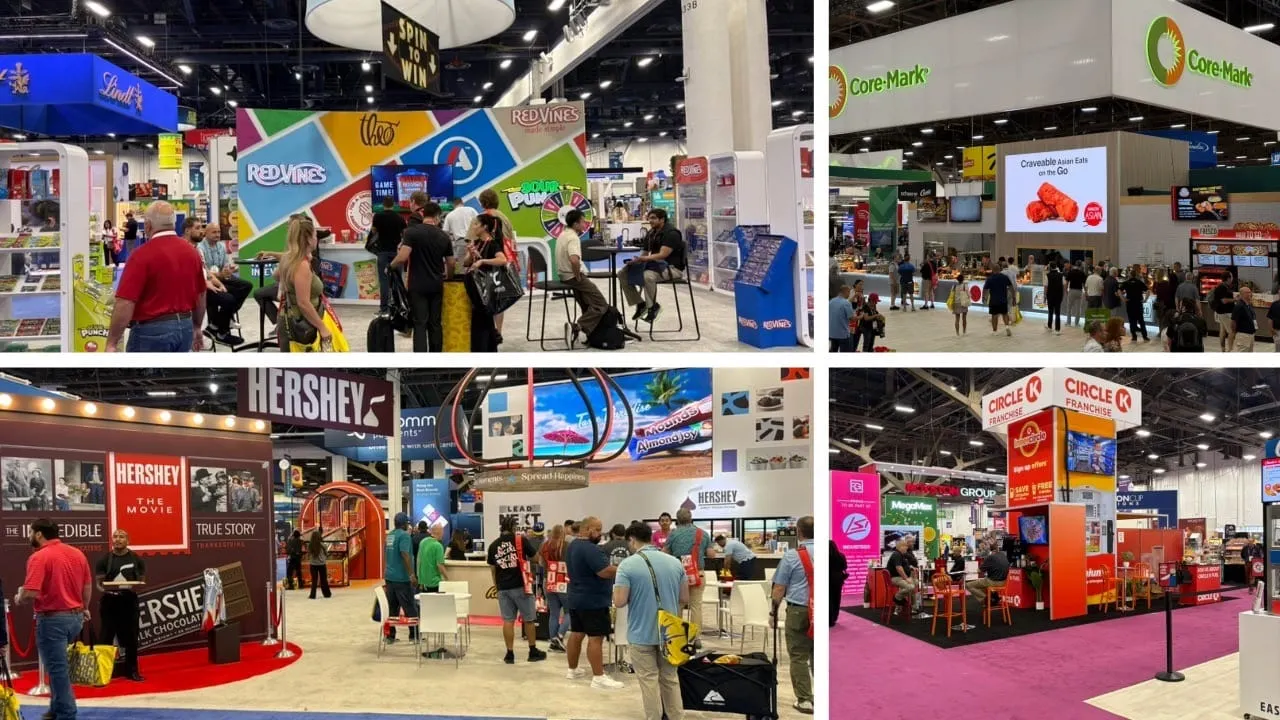
The research was conducted Aug. 26-31 among U.S. shoppers who had purchased food or beverages at a convenience store within the past three months. Acosta Group released the findings ahead of the 2026 NACS Show in Las Vegas.
Submit Your Press Release
Have news to share? Send us your press releases and announcements.
Send Press Release