
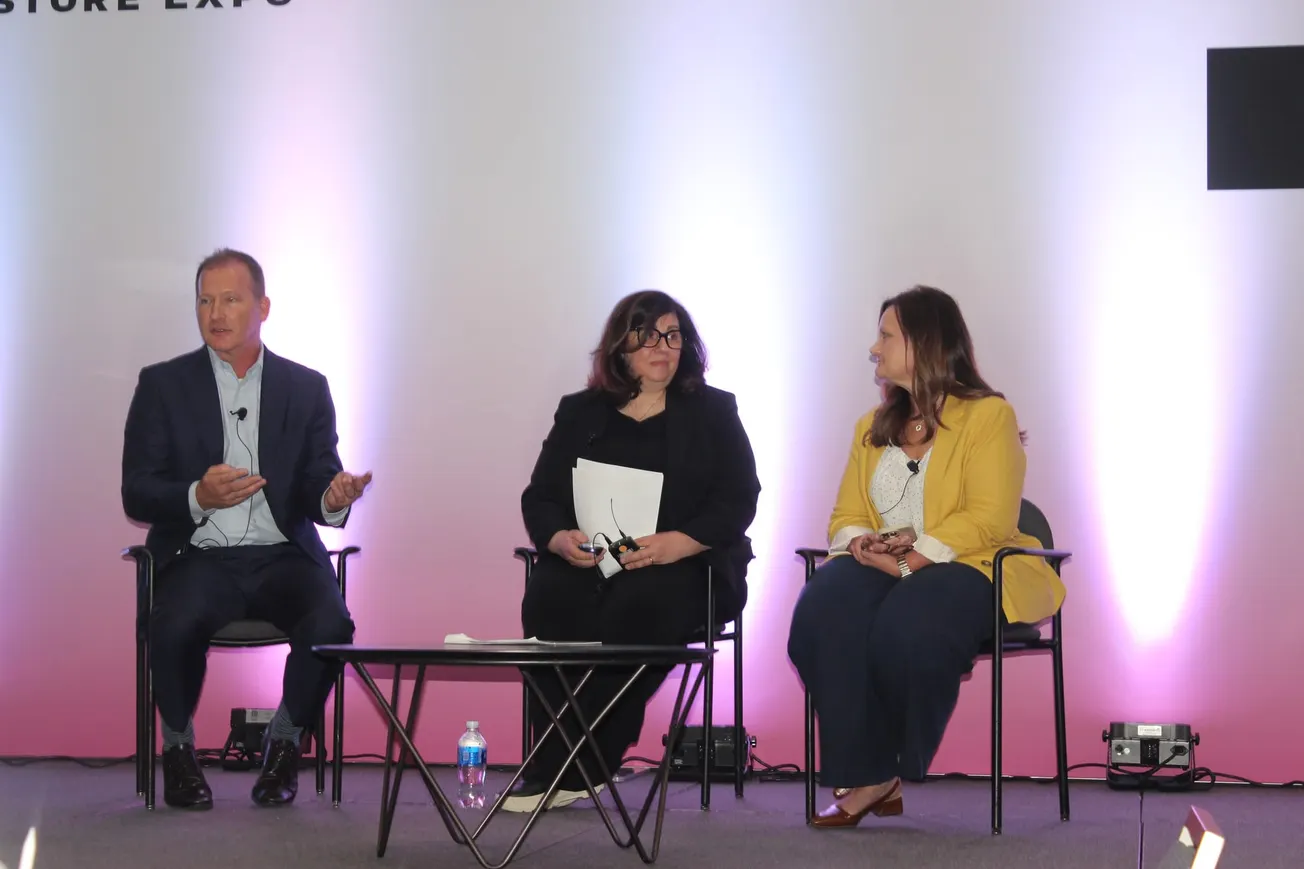
SAN DIEGO — The growing influence of family caregivers and older adults on the U.S. economy took center stage at NACDS Total Store Expo during the special session “Harnessing the Economic Power of Family Caregivers and Older Adults – Opportunities for Retailers and CPGs.”
The session drew on findings from AARP’s Caregiving in the U.S. 2025 study of American caregivers, underscoring how the needs, preferences, and purchasing power of aging consumers and their caregivers are reshaping the retail, CPG, and pharmaceutical industries.
Panelists highlighted key opportunities for retailers and brands to better serve these demographics through product innovation, enhanced services, and improved accessibility. Attendees were encouraged to view caregivers and older adults not only as vital consumer groups but also as sources of loyalty and long-term growth.
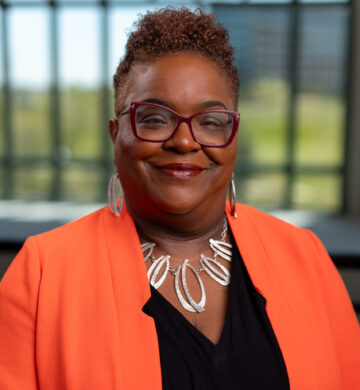
Rita Choula, Senior Director of Caregiving at the AARP Public Policy Institute, emphasized the importance of bridging policy and practice to meet caregivers’ everyday needs.

Reema Jweied-Guegel, Senior Director at AARP’s Enterprise Strategy Group, discussed strategies for partnerships that create community impact and deliver meaningful value to consumers.

Greg Klem, Vice President at AARP, outlined approaches for building collaborations that strengthen member benefits, particularly in sectors such as retail pharmacy, where access and trust are critical.
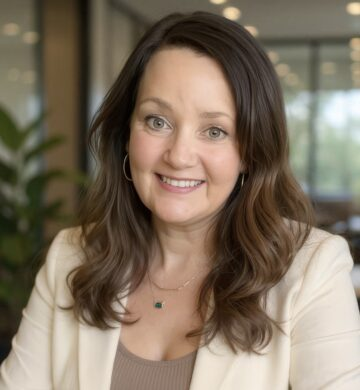
Kim Stokell, Marketing Director at Cardinal Health, shared how targeted, data-driven programs are helping manufacturers and pharmacies better connect with consumers.

Mike Wysong, CEO of CARE Pharmacies, highlighted the success of independent pharmacies in cultivating trust, accessibility, and personalized experiences for older adults and their families.
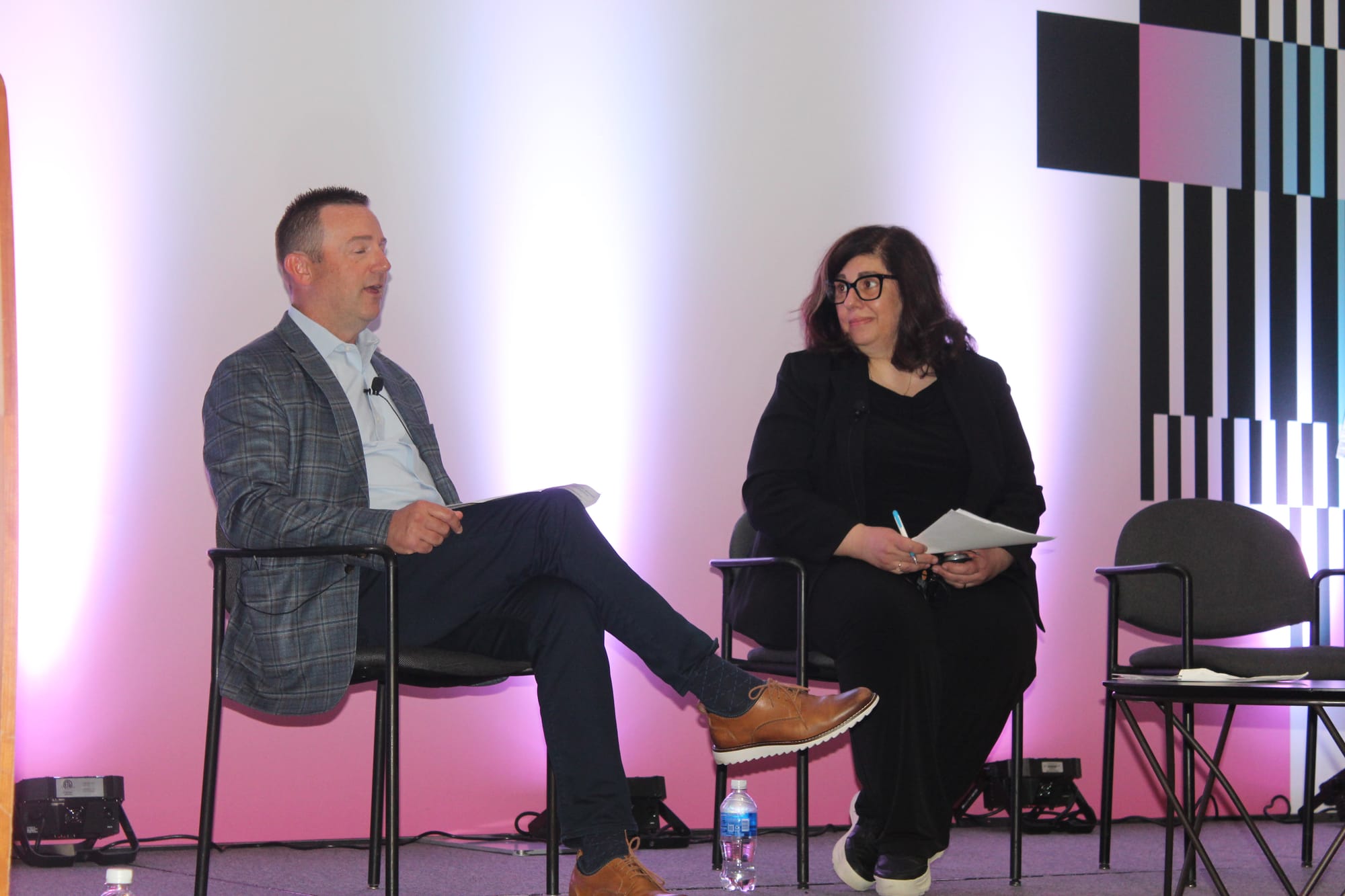
As the U.S. population ages, retailers and CPGs that adapt to changing demographics by focusing on convenience, engagement, and affordability can gain a competitive edge.
Caregiving in the U.S. 2025
In July 2025, AARP and the National Alliance for Caregiving published the report Caregiving in the U.S. 2025, revealing a sharp rise in the number and intensity of family caregivers since 2020. The study, conducted every five years, found that 63 million Americans—nearly one in four adults—are now providing complex and often unsupported care. Key findings from the 2025 report:
- A growing population of caregivers: The number of American caregivers has increased by 45% over the past decade. This reflects the reality that people are living longer but in poorer health, requiring more family support.
- High intensity and complexity of care: About 44% of caregivers are in high-intensity situations, providing significant weekly hours of care. More than half perform medical and nursing tasks—such as injections and wound care—that were once performed by professionals in clinics or hospitals.
- The "sandwich generation" is stretched thin: Nearly 30% of caregivers are raising children while also caring for an adult. This figure is even higher (47%) for caregivers under age 50.
- Major financial strain: Almost half of all caregivers report at least one negative financial impact from their duties, such as incurring more debt, depleting savings, or being unable to afford basic necessities.
- Negative health impacts: The health of caregivers is suffering. One in five reports fair or poor health, and emotional stress has increased since the 2020 report. Women, LGBTQ+ caregivers, and those who felt they had no choice in their role were most likely to report feeling isolated.
- Workplace disruption: A majority of caregivers under 65 are employed, and about half report work disruptions, such as arriving late or leaving early. While workplace benefits are improving, they are often less available to hourly wage earners.
- Lack of training: Despite the complex medical tasks they perform, most caregivers lack adequate training. Only 11% have received training for basic care tasks, and only 22% have received training for medical and nursing tasks.
- Compensation is rare: While a small portion of family caregivers receive some compensation through government programs, the vast majority remain unpaid. The financial support received is often not enough to ensure financial security.
The report's findings underscore an urgent need for systemic change, and the AARP and National Alliance for Caregiving are calling for a greater investment in policies that support family caregivers.