

Warehouses have become one of the most critical frontiers in modern retail. As e-commerce expands and consumers demand faster, more accurate deliveries, the challenge of fulfillment has grown more complex. Labor shortages and rising costs only intensify the strain.
Mass Market Retailers interviewed Exotec Chief Revenue Officer Arthur Bellamy to discuss how robotics and automation are reshaping fulfillment in the grocery and CPG industries.
“The two big challenges are always people and cost,” Bellamy told MMR. “Warehouses struggle to find enough workers willing to take on demanding jobs, and the expense of running these facilities keeps climbing. Automation is the solution.”
That backdrop makes today’s announcement especially timely: Exotec and E80 Group unveiled a new partnership to deliver end-to-end warehouse automation for the CPG and grocery industries, combining Exotec’s signature Skypod system with E80’s pallet-handling expertise. The move underscores a broader shift in the industry toward unifying siloed processes into seamless automation ecosystems, a theme central to Bellamy’s vision for the future of logistics.
 MMR
MMR
Exotec’s growth story
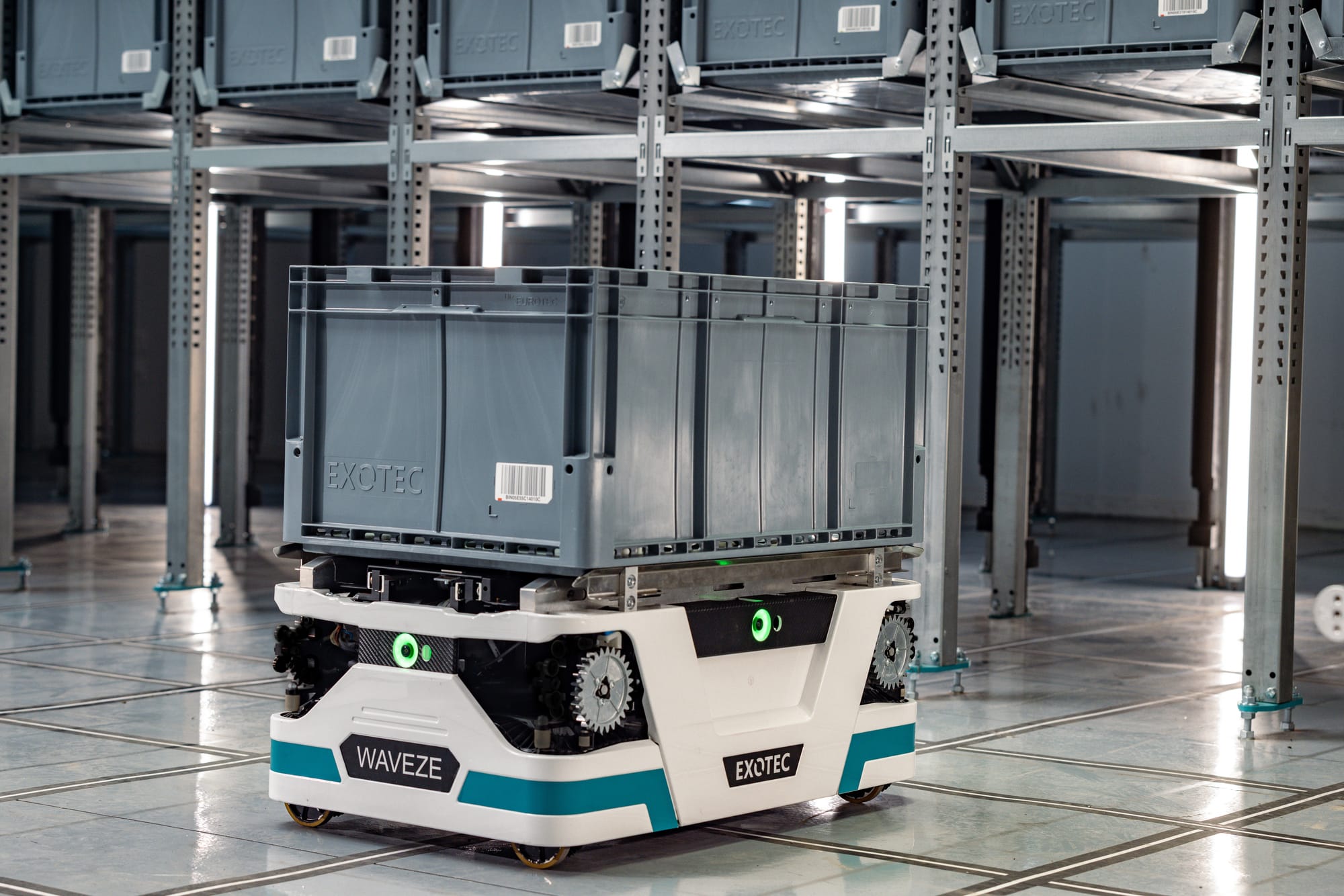
Founded in France in 2015, Exotec has quickly grown into a global player in warehouse robotics, with a valuation of around $2 billion. The company’s flagship technology, the Skypod system, uses fleets of agile robots capable of moving horizontally across warehouse floors and vertically up tall racks to retrieve goods. Exotec has deployed its systems across Europe, Asia, and North America, working with major retailers in fashion, grocery, and consumer goods. Its pitch is simple: help companies increase efficiency, reduce costs, and make warehouse jobs safer and more appealing.
Rethinking how goods move
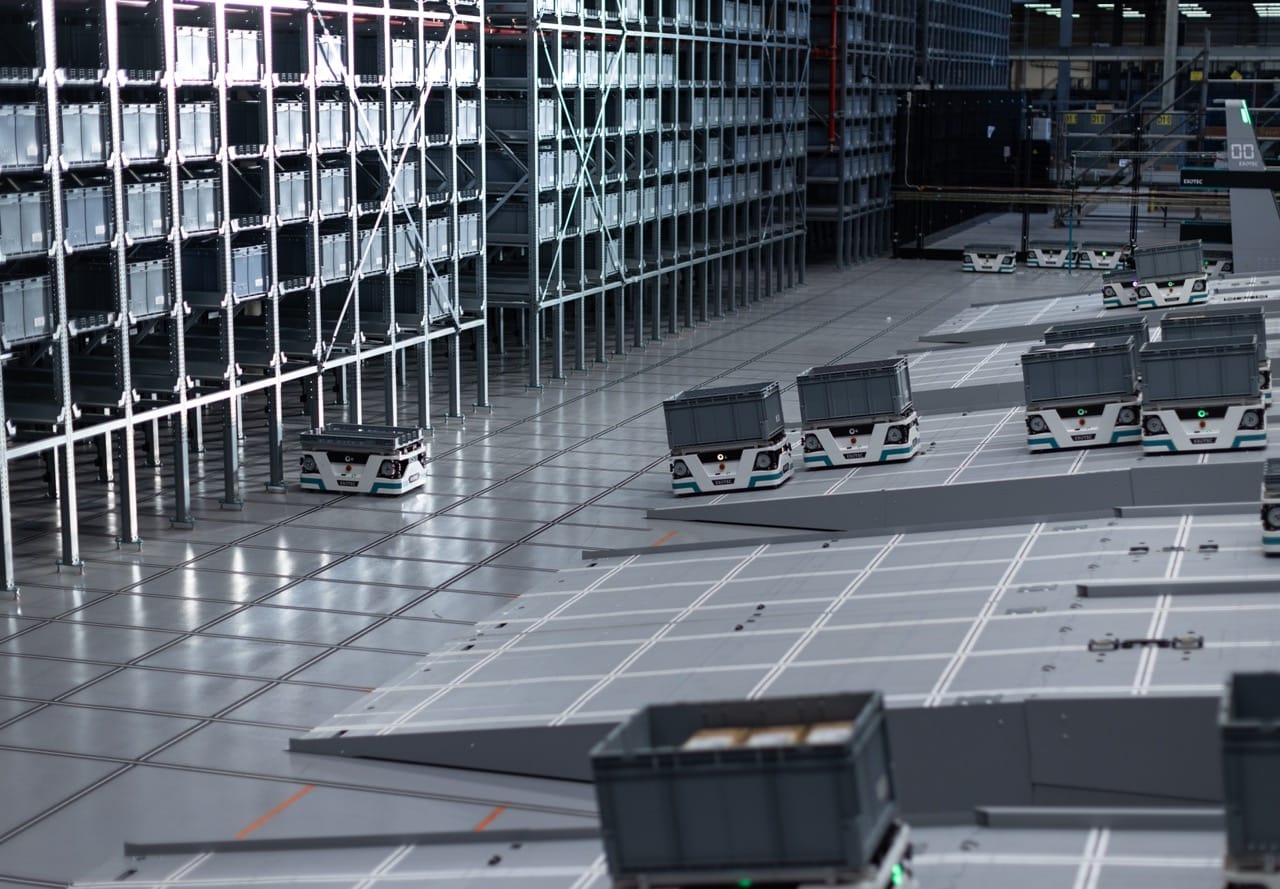
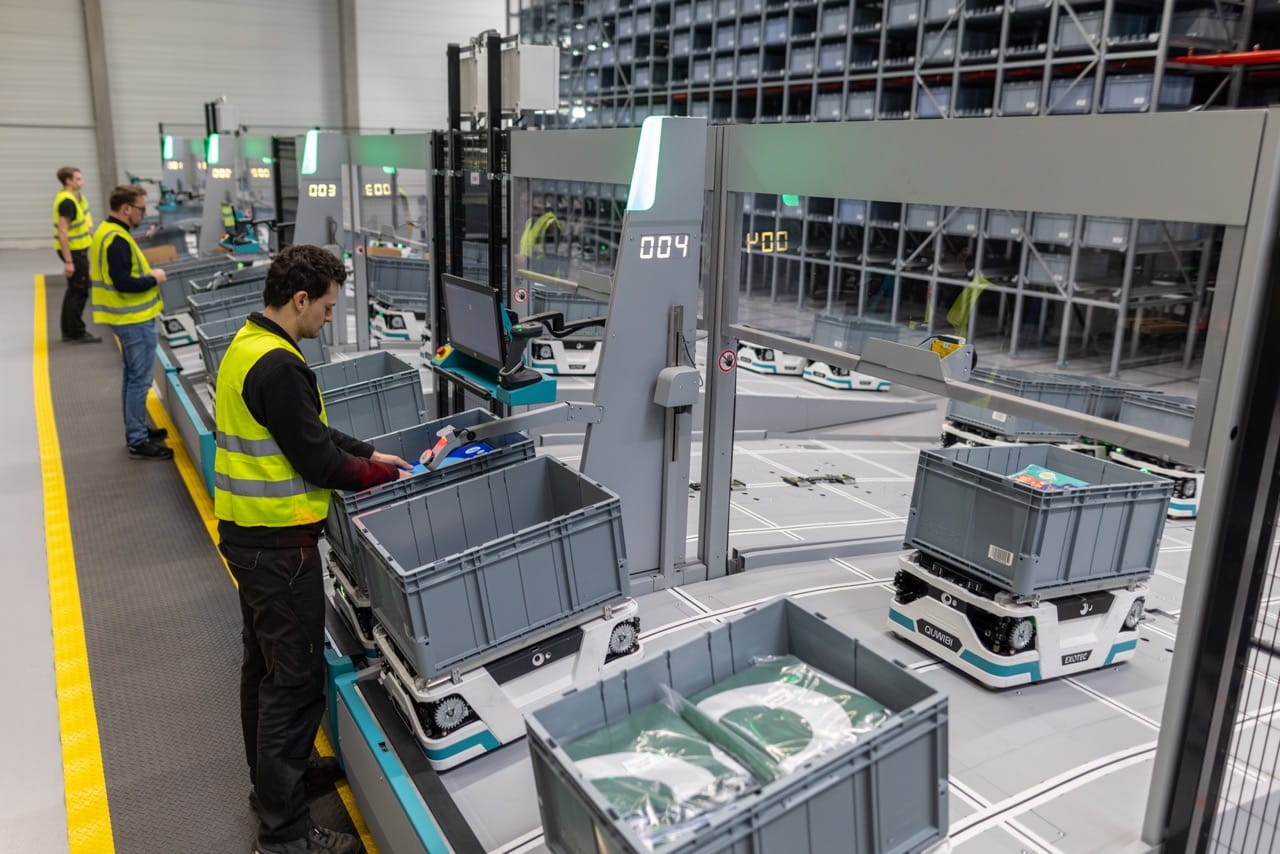
Instead of hundreds of employees walking miles through shelving, robots now bring products directly to workers. “Robots can operate around the clock, reduce errors, and let humans focus on higher-value tasks,” Bellamy explains.
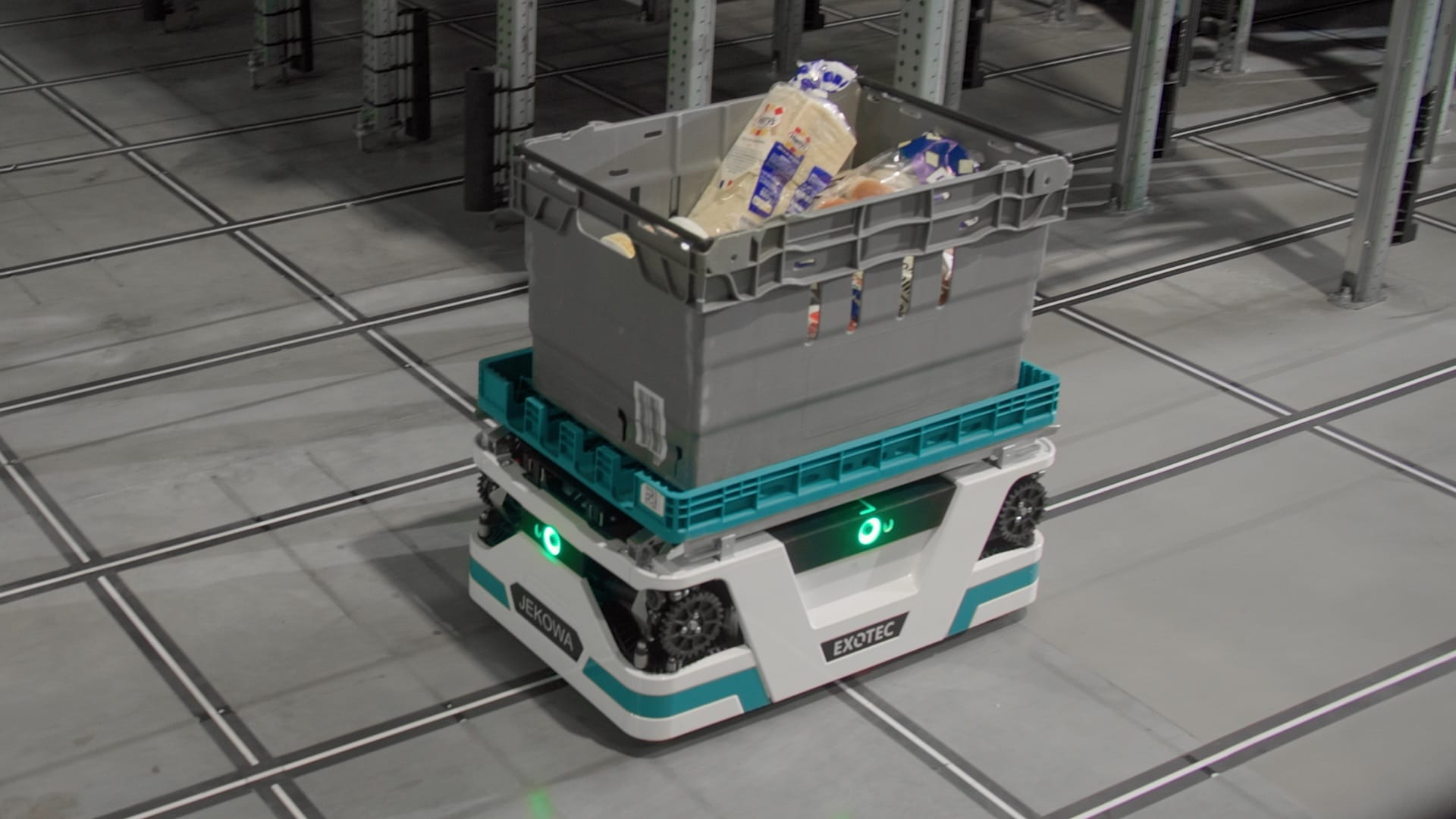
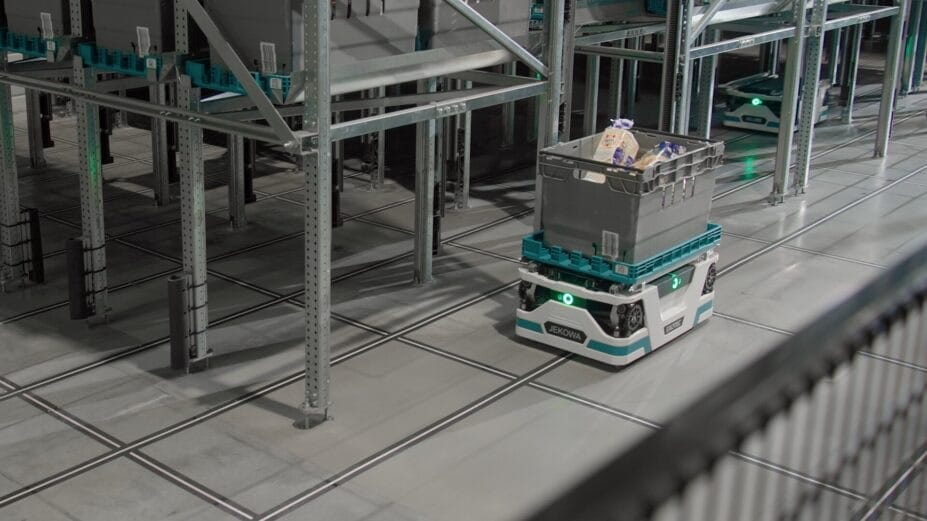
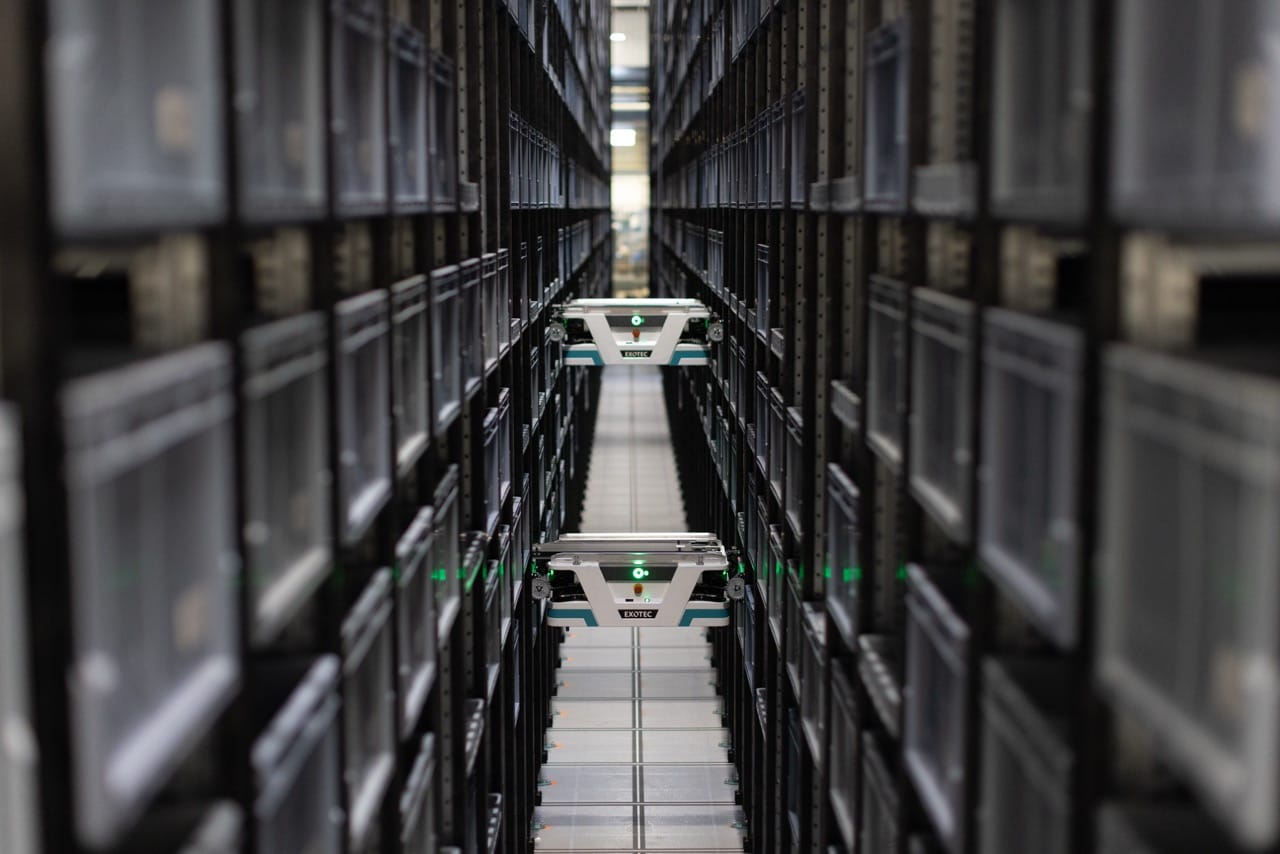
At the heart of this shift is goods-to-person technology. Rather than traversing long aisles, workers stay at ergonomic stations while robots deliver bins for order fulfillment. “Our Skypod robots move across the warehouse floor and vertically, climbing racks up to 40 feet,” he says. “That vertical capability means companies use their space much more efficiently. And because the system is modular, you simply add more robots when you need more capacity.”
The human factor
Automation, Bellamy insists, is not about replacing people; it is about augmenting them. “The goal is not to eliminate jobs. It is to make them safer, more sustainable, and more attractive,” he says. Traditional warehouse roles can involve walking 10 to 12 miles a day. “With automation, employees are no longer exhausted by that physical toll. They can focus on accuracy and quality instead.”
Turnover drops as conditions improve, and productivity rises. “When people aren’t worn out, they stay longer and perform better,” Bellamy adds.
Beyond the giants
While Amazon and Walmart may dominate headlines, Bellamy emphasizes that robotics is spreading far more widely. “Ten years ago, only the very biggest players could afford this technology,” he says. “Today, modular and scalable systems mean mid-sized companies can adopt robotics too. That’s crucial because consumers expect speed and accuracy from everyone.”
Fashion and grocery retailers offer telling examples. “Uniqlo processes tens of thousands of orders per day, and automation helps them do it quickly and reliably, even during seasonal peaks,” Bellamy explains. “Grocers like Carrefour deal with ambient, chilled, and frozen products all in the same facility. Robotics lets them manage that complexity efficiently.”
What’s next
According to Bellamy, warehouse robotics is only beginning. “Right now the focus is on picking, but the future will bring automation in packing, shipping, and even inbound receiving,” he says. Still, he doesn’t believe in ‘dark warehouses’ with no people. “The smarter model is one where humans and machines complement each other. Robots handle repetitive, heavy tasks, while people bring flexibility and judgment.”
The technology, he notes, will only become more accessible. “As costs come down, adoption will spread further. The warehouse is no longer just the back end of retail. It is the beating heart of modern commerce. And automation is the only way to keep pace with what shoppers expect today.”