

The “Make America Healthy Again” (MAHA) movement is emerging as one of the most powerful forces shaping the food retail and consumer packaged goods industries, according to a recent report from The New York Times. While health-focused marketing is not new, food companies are now tailoring their products and campaigns to resonate with a movement closely tied to the Trump administration’s public pressure on the industry.
Walmart and Retailers Respond
Walmart, the country’s largest grocer, has already moved to capitalize on this opportunity. In June, the retailer rolled out “Better for You Superfood” sections in 3,000 stores, spotlighting products such as chia seeds, lion’s mane mushrooms and moringa-based drinks from Kuli Kuli. The initiative was informed by insights from Dr. Casey Means, President Trump’s nominee for surgeon general and one of the movement’s leading voices.
Other retailers and restaurants are adjusting in visible ways. Steak ’n Shake switched to beef tallow for its fries earlier this year, citing Secretary of Health Robert F. Kennedy Jr.’s campaign against seed oils. Daily Harvest worked with Dr. Means to curate a “metabolic health” product line.
Packaged Food Giants Shift Formulas
Major manufacturers are also embracing MAHA’s language and themes. PepsiCo will introduce a probiotic cola this fall, featuring reduced sugar, and is rebranding Lay’s and Tostitos as "free from artificial dyes and flavors." CEO Ramon Laguarta recently told investors the company aims to elevate the “real-food perception” of its brands, positioning snacks like potato chips as simple, authentic foods.
 Thorvardur de Shong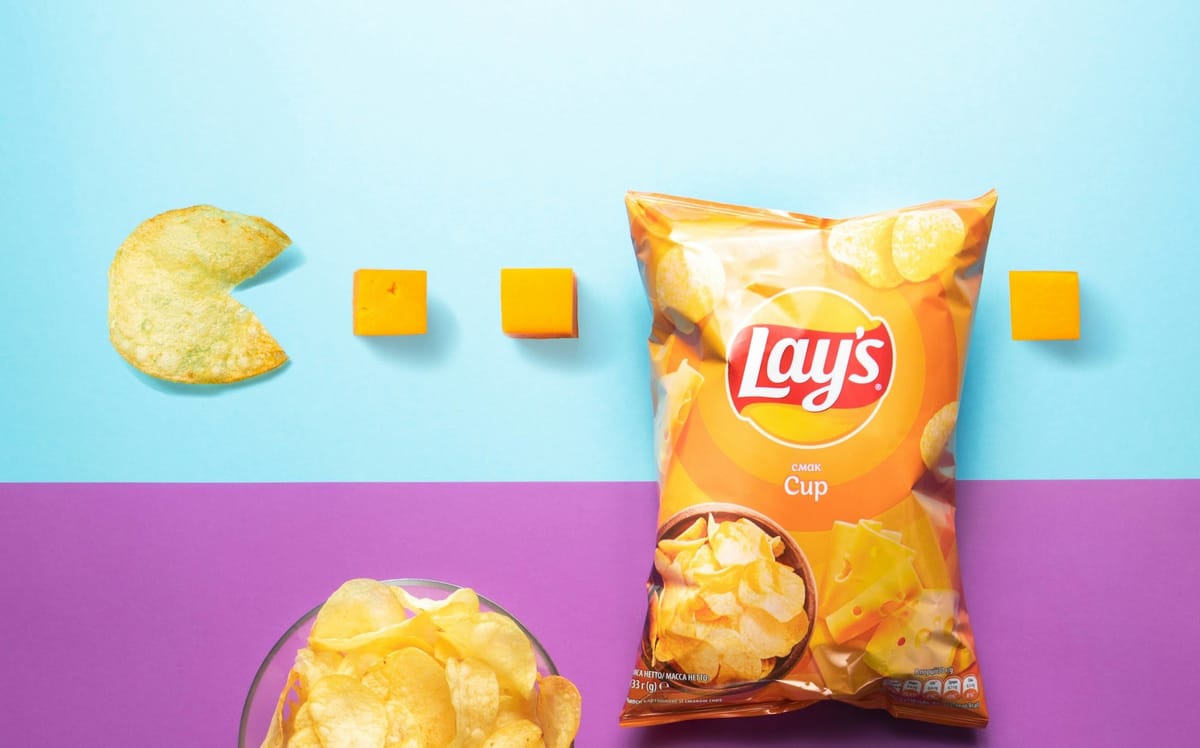
Fruit and vegetable growers are pushing in the same direction. The International Fresh Produce Association launched ads with slogans like “Before there were pharmacies there were farms” to align fresh produce with MAHA’s message while nudging back against the administration’s emphasis on supplements.
A Divided Public and Rising Scrutiny
Consumer sentiment, however, remains divided. Data from communications firm Ketchum shows that only half of Americans trust food companies, while younger consumers, particularly those in Gen X and millennials, are more receptive to MAHA messaging. But the political associations make adoption risky: leaning in too far could alienate opponents of the administration, while falling short could trigger criticism from supporters.
Even “better for you” brands face heightened scrutiny. Banza and David Bars have both recently come under fire from advocacy groups over their ingredients, underscoring what marketing consultant Mark Barker calls a “new level of accountability and transparency without a clear consensus on what is truly healthy or not.”
Balancing Heritage and Health
Some companies are leaning on Americana and authenticity to capture the movement’s energy. Omaha Steaks struck new partnerships with sports teams, including the Chicago Cubs and Kansas City Chiefs, promoting its “simple” ingredient list and U.S.-sourced beef. Starbucks has tested new wellness-oriented beverages, while Walmart continues to expand its Better Goods line, which was in development before MAHA but dovetails neatly with the trend.
As The New York Times notes, MAHA represents both a marketing windfall and a reputational hazard. For food companies, the movement could unlock new sales and relevance with health-conscious shoppers. Navigating its politically charged undertones will require delicacy.