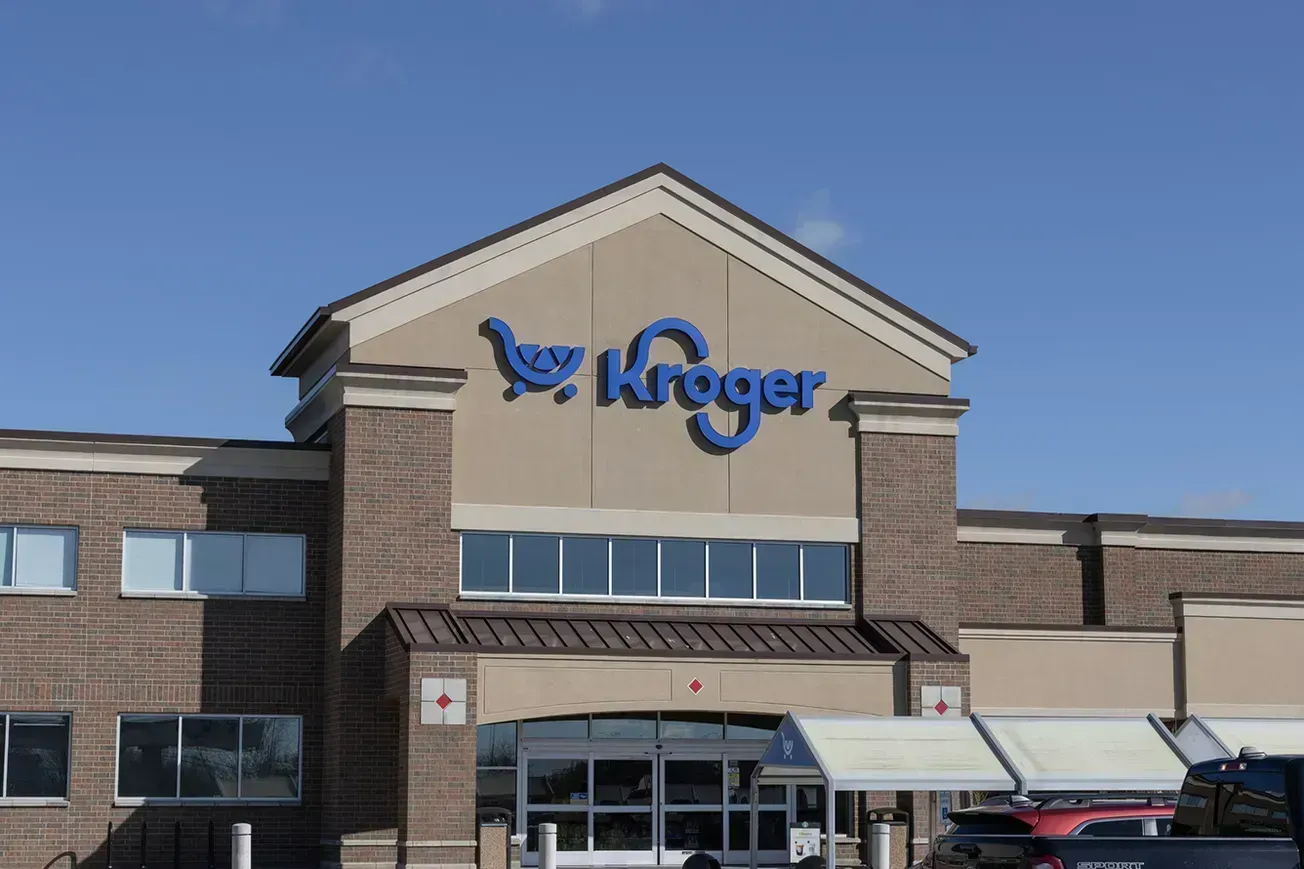

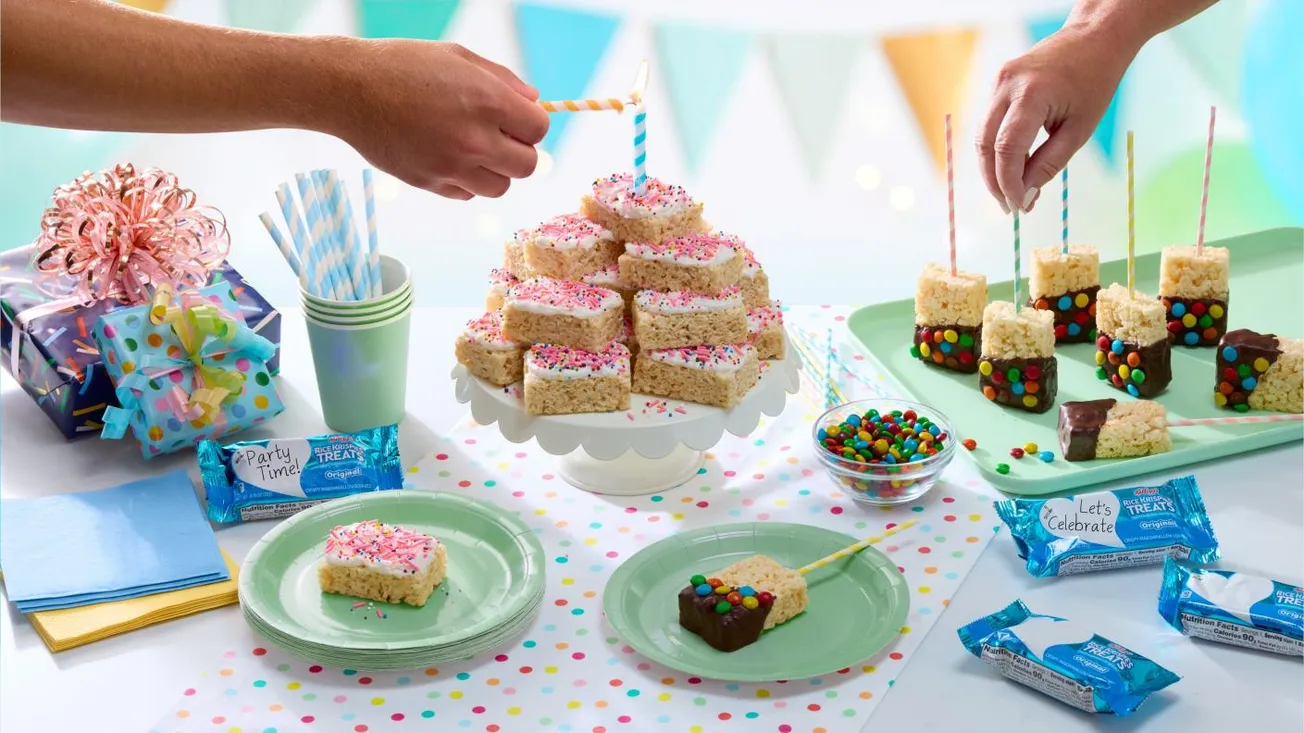
For decades, grocery shopping was a chore: a necessary, often hurried stop on the way home from work or squeezed into the weekend routine. But the landscape is shifting. Today’s consumers are increasingly seeking not just groceries, but an experience—something enjoyable, engaging, and even inspiring. Consumers are looking to the perimeter of Fresh, Deli, and Meat, as well as the in-store experience, to determine where and how they shop.
This transformation is reshaping the role of the grocery store. Retailers who once competed primarily on price, location, and assortment are now finding themselves in a new race: creating environments and experiences that make shoppers want to rather than have to shop with their retailer.
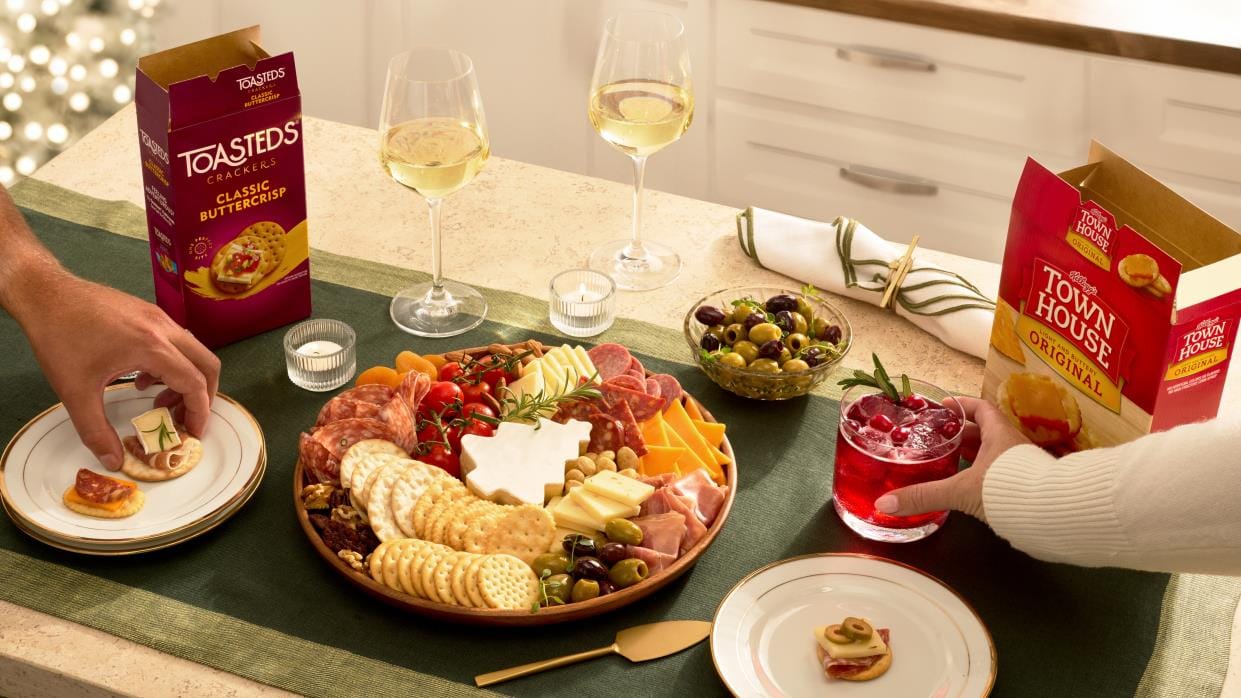
Why the Shift Is Happening
Several consumer and cultural trends are fueling this evolution:
- Experience Economy: From restaurants to retail, consumers increasingly value experiences over transactions. A grocery trip is no longer just about filling the pantry; it’s about discovery, connection, and enjoyment.
- Community Engagement: Shoppers want to feel part of something larger. Grocery stores are evolving into community hubs where events, cooking demonstrations, and local partnerships enhance the sense of belonging.
- Health and Wellness Priorities: Shoppers are more conscious than ever of what they eat, and they want to discover new products and learn about nutrition in-store.
- Post-Pandemic Habits: The rise of online grocery delivery and curbside pickup made shopping faster and more convenient—but also highlighted the shortcomings of a purely transactional experience. Now, many consumers are returning to stores with higher expectations.
The Data Behind the Shift
- 88% of consumers still prefer in-person grocery shopping despite the rise of delivery and pickup.
- 32%—led by Gen Z and millennials—actively seek engaging stores, not just convenient ones.
- 86% say they’ll pay more for a better grocery experience.
- 80% believe experience matters as much as product.
This signals a profound shift: grocery isn’t just transactional anymore. It’s emotional, experiential, and central to how people live.
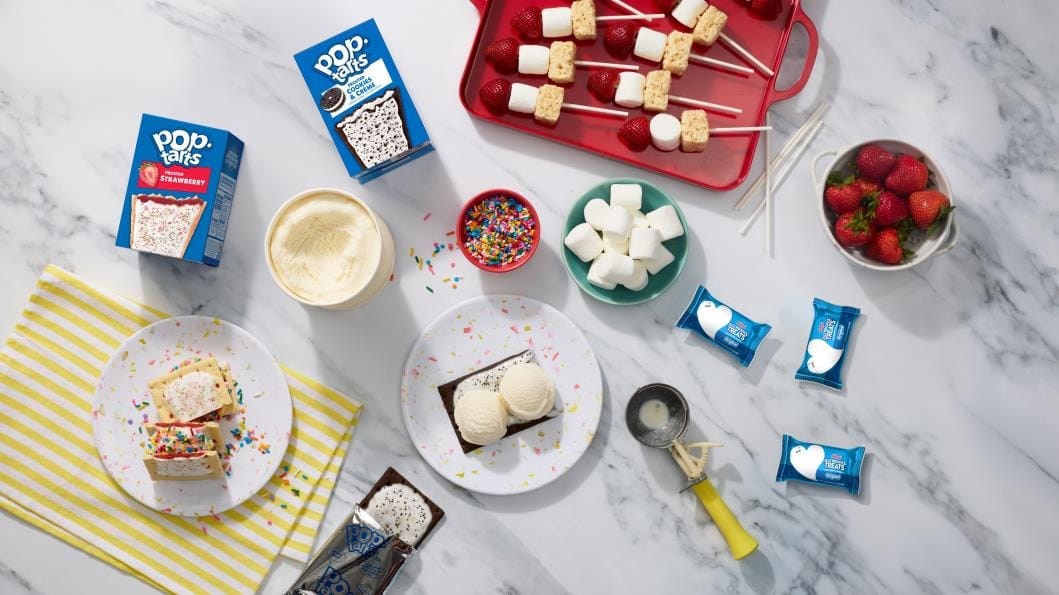
What Shoppers Crave
- Convenience first: 72% prioritize convenience over price.
- Personalization wins: 64% prefer stores with personalized promotions; 77% shop more when offered them.
- Tech integration: 74% expect digital tools to enhance their trip; 70% want contactless checkout.
- Loyalty programs matter: 50% are more likely to purchase from stores with strong rewards.
These factors transform grocery shopping into something people want to do, not have to.
What Experience-Driven Grocery Looks Like
Leading retailers are already reimagining the in-store journey:
- Destination Departments: Fresh produce, bakeries, and prepared foods are becoming showpieces, inviting customers to linger. Sampling stations, open kitchens, and craft-style displays create a sense of theater.
- Foodservice Integration: The line between grocery and restaurant continues to blur. Many stores now feature cafés, sit-down dining, or grab-and-go offerings that elevate the trip.
- Technology as an Enhancer: Digital shelf tags, mobile apps, and AI-driven personalization aren’t just about efficiency—they’re tools to make shopping more seamless and engaging.
- Sustainability and Transparency: Shoppers want to see the story behind their food. Stores that highlight local sourcing, responsible practices, and traceability create trust and connection.
- Multi-Sensory Design: Lighting, music, signage, and layout all contribute to turning a routine trip into a branded experience.
The Stakes
One-stop shopping is fading. U.S. consumers now visit an average of 20.7 retailers annually, up 23% since 2019.
But loyalty still matters: 78% of shoppers identify a primary grocer, as long as convenience and quality remain high. Retailers must serve both needs: speed for the chore, experience for the choice.
How CPG Suppliers Power Experience-Driven Grocery
Retailers don’t have to go it alone. CPG suppliers, with their scale, marketing muscle, and household-name brands, are uniquely positioned to co-create experiences that drive traffic, attract new shoppers, and grow baskets.
Big brands can be more than products on the shelf—they can be engines of growth for retailers.
- Drive Trips → Fund sampling, themed displays, and seasonal activations that turn routine visits into destination events.
- Attract New Households → Use exclusive launches, limited-edition SKUs, or cause-driven campaigns to pull in new shoppers.
- Grow Baskets → Build cross-category solutions (e.g., pasta + sauce + salad kits) to expand purchase occasions.
- Bring Insights → Share shopper data and category expertise to tailor local experiences and promotions.
- Amplify Reach → Leverage national brand marketing and media to boost in-store programs.
The Payoff
When grocery shopping feels like discovery rather than duty:
- Dwell time increases as shoppers linger to explore.
- Basket size grows as solution-based merchandising drives cross-category purchasing.
- Loyalty deepens as stores and brands earn trust by delivering both value and delight.
These are wins not just for retailers, but also for the CPG partners who benefit from increased trial, higher household penetration, and stronger brand equity.
Looking Ahead: Moving away from Display to Experience
As grocery continues to evolve, the winners will be those who move from being a place to buy food to being a place to enjoy food.
In this next chapter, Shoppers will be looking for every display, shelf, and product placement to be an engagement that helps them have the experience they are looking for from their shopping experience.
To fully realize the shift from “have to” shop to “want to” shop, retailers and suppliers must move from transactional relationships to co-created experiences. That means:
- Breaking down real or perceived departmental barriers
- Allow partnership to expand beyond the current existing boarders.
- Grocery vs Deli vs Prepared Meals vs Fresh vs Floral vs Dairy vs Fuel Stations
- Shoppers are seeking inspiration & solutions to the events that make up their life.
- How might we imagining a place where
- Leverage Every Display to ask how this Display is Creating an Experience
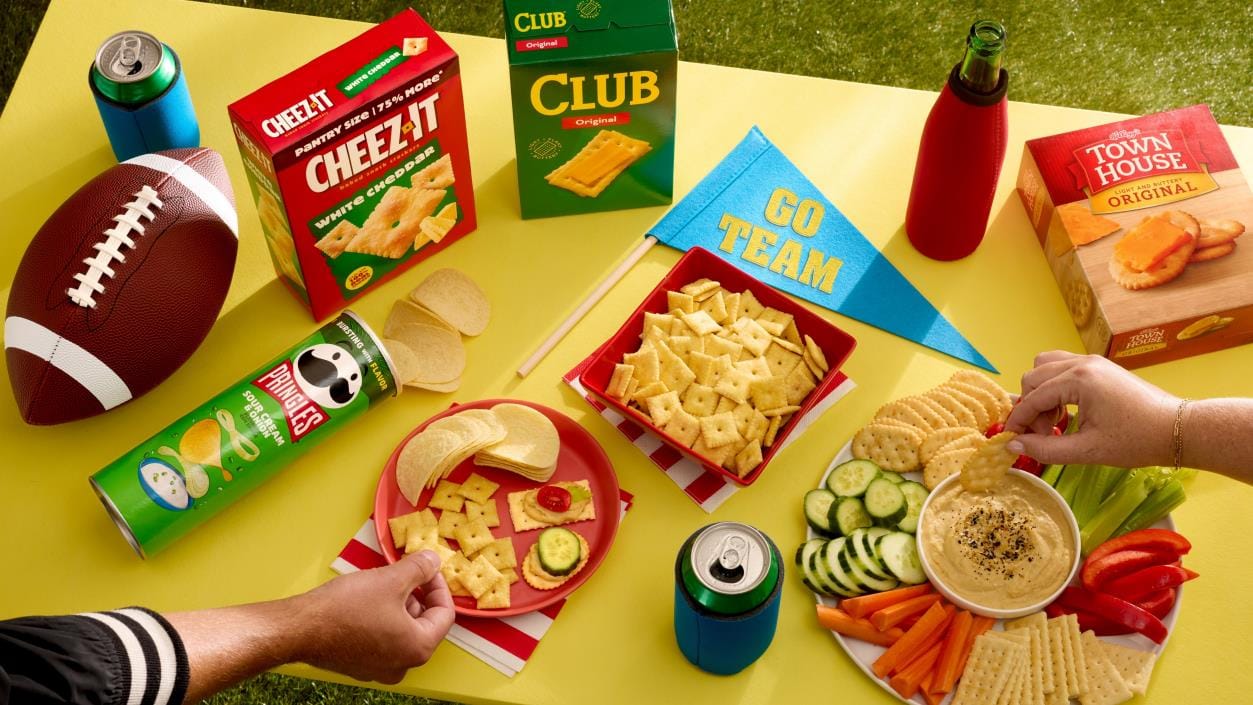
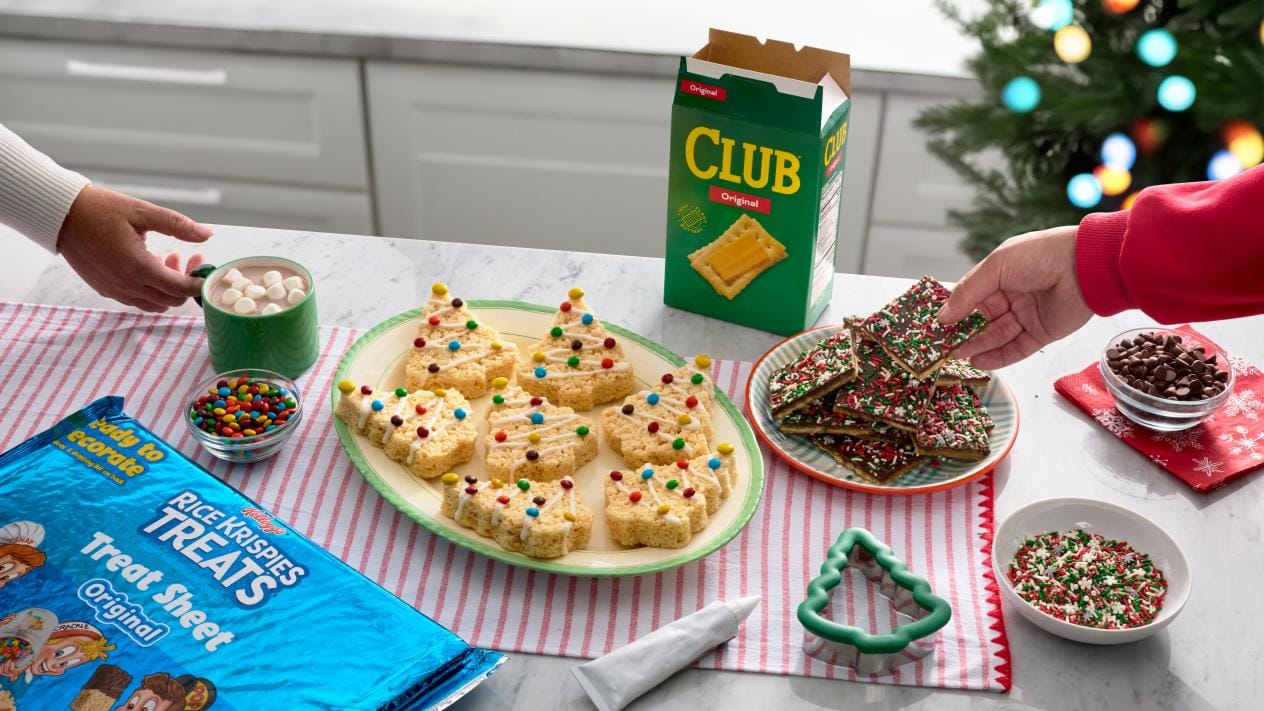
- Bundle complementary items into meal solutions or lifestyle occasions (breakfast kits, tailgating bundles, holiday baking centers) that grow baskets.
- Unleash Omnichannel Storytelling
- Shoppers are looking both online and instore to be inspired and easy solutions to everyday challenges and key events in their lives. How might CPG partners and retailers unleash this potential.
Bottom Line
Tomorrow’s grocery trip is no longer just about filling a cart—it’s about creating an experience worth making time for. Price and assortment will always matter—but so will joy, discovery, and connection.
Retailers and CPG suppliers that act as partners, not just trading partners, will be best positioned to:
- Drive more trips,
- Attract new households,
- Expand baskets, and
- Earn long-term loyalty.
The future belongs to those who turn grocery shopping from just a place to buy food and become a place to experience food.