
NEW YORK – It’s been nearly two decades since Mike Ghesser and Isaac Shapiro launched Cleanlogic as a purpose-driven business making quality bath accessories and exfoliating skin care products, and with a mission to promote inclusivity and accessibility.
“We started hiring people with disabilities at Cleanlogic, and today 54% of our workforce disclose as having a disability,” Shapiro said this week at a “Dining in the Dark” gathering in Manhattan attended by more than 100 friends and supporters of the hosts’ goal of a 10% increase in employment for Americans disabled due to autism, hearing loss, vision impairment or “neurodivergence,” a term applied to people whose brain differences affect how their brain works.
“One in four people has a disability, yet only 37% are employed,” Shapiro told diners as he introduced the Inspiration Foundation Seal, a new certification for retailers and suppliers that satisfy specific inclusion metrics and which can be affixed on product packaging or used in advertising.

At around the time that Ghesser and Shapiro launched Cleanlogic, they founded the Inspiration Foundation as a complement that would advance the company’s mission and spread its aims to others. A portion of Cleanlogic’s profit is donated to the foundation to fund tech-training programs that help blind or visually impaired individuals develop the skills needed to live independently and compete for and retain jobs.
The Inspiration Foundation developed a list of factors for eligibility and a review process to certify that applicants meet the criteria. Display of the seal allows a business to communicate to consumers and others that it has the tools, resources, and commitment that allow individuals with disabilities to thrive.
“The goal is for the seal to become as recognizable as the Good Housekeeping Seal (for household products) or B Corp certification (for socially conscious companies.) The seal is more than a logo; it’s a badge of honor for companies that want to hire people with disabilities,” Shapiro said.
 MMR
MMR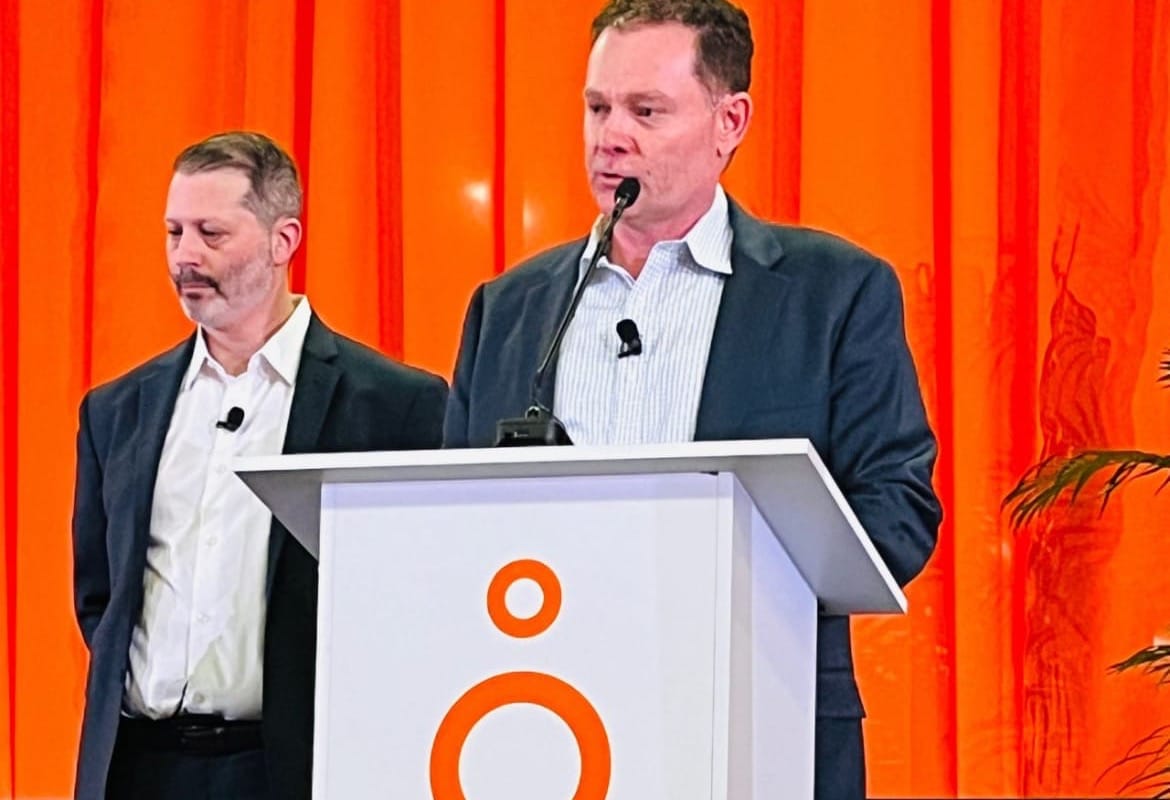
Retailers are well aware of studies that conclude brands demonstrating a clear and impactful purpose can increase sales, improve loyalty, and enhance engagement. Ghesser and Shapiro do business with several retailers which employ workers with disabilities, but they tend not to talk about it much, Shapiro said. “We asked ourselves ‘what can we do to get retailers to talk about their amazing work and to inspire other companies to do the same?’”
Walgreens, Sephora, Publix Super Markets, H-E-B, and Meijer are among the industry stalwarts in terms of hiring individuals with disabilities. Walgreens’ distribution center in Anderson, S.C., is a model for disability inclusion, with 40% of its workforce comprised of individuals who are disabled, Shapiro said.
“We’re also building a support network of Champions committed to hiring people with disabilities,” he said. “Champions are leaders who see both the business and human values of hiring individuals with disabilities.”