

NASHVILLE — Small, independent consumer brands are driving a disproportionate share of industry growth, and retailers are eager to identify the next breakout brand early. That was the central theme on November 10, when retailmediaIQ and ECRM once again brought together founders, retailers, and industry leaders for the 3rd Annual Founders' Innovation Day.
The annual summit has become a hub for emerging brands seeking practical insights, meaningful connections and a better understanding of a fast-changing retail landscape. From the stage, organizers noted that the audience included roughly 120 brand founders, as well as buyers and merchandising executives from some of the country's largest grocery, drug, dollar and natural-food chains.
Sarah Yates, Consumer Products Practice Director at Bain & Company, opened the day by presenting the firm's research on "insurgent brands”—independent brands that have grown their categories by 10 times over five years while establishing a meaningful presence in physical retail.
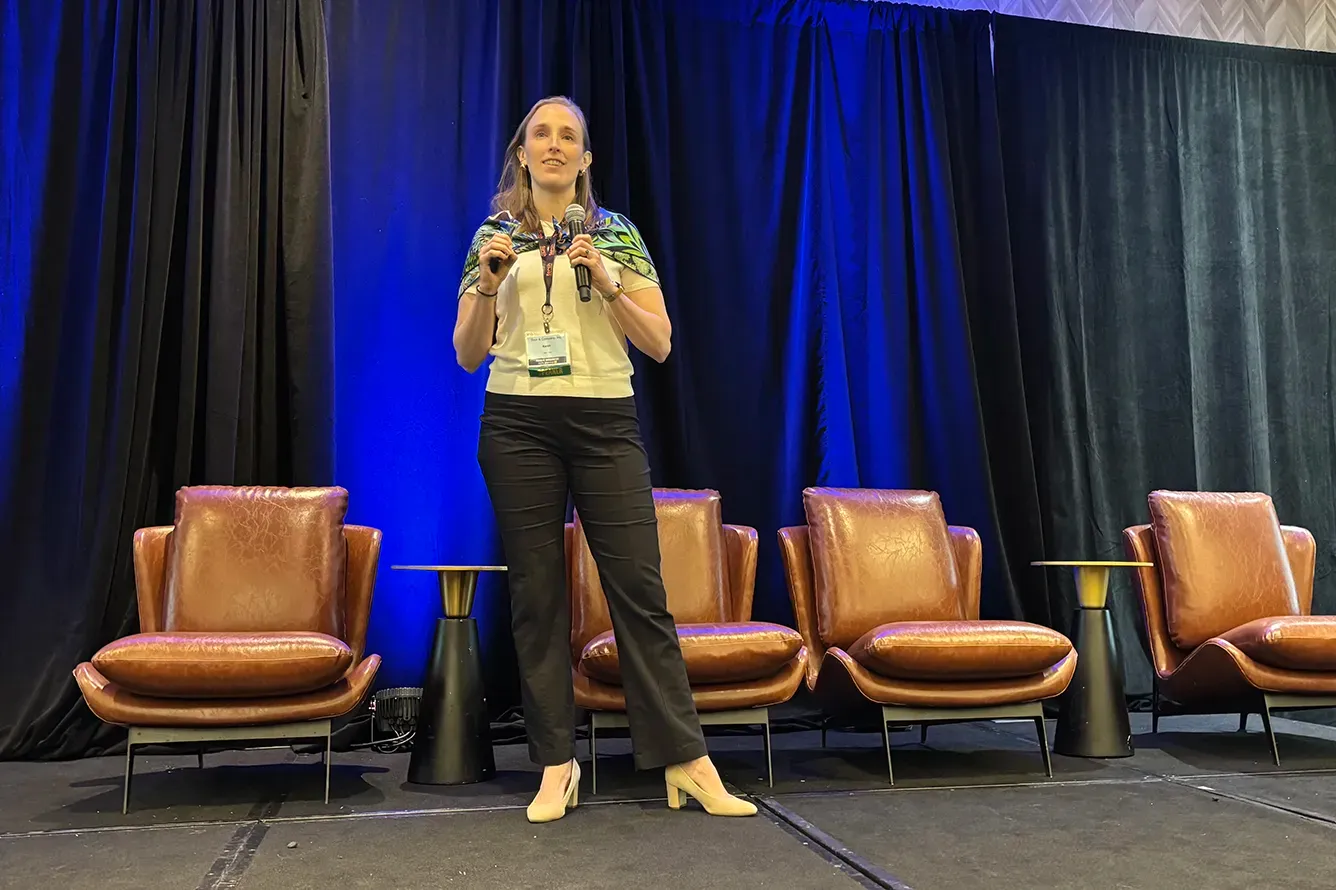
"Despite representing only about 9% of share in the market, what we call insurgent brands — small, independent, disruptive brands — have created nearly 20% of the growth," Yates said. Over the past decade, she noted, those brands generated about $60 billion of incremental value in consumer products, compared with $40 billion created by the top three CPG companies. The success comes against long odds: citing NIQ data, Yates said only about half of new innovative products are still growing in their second year after launch.
Yates outlined three "golden rules" that distinguish insurgents that scale from those that stall. The first is consumer obsession: creating a targeted value proposition for a clearly defined shopper. She cited Goodles, which aimed to bring young adults back to mac and cheese; 80% of the brand's shoppers at Target had never purchased the category before. The second is building velocity before distribution by keeping the product lineup simple, marketing first to "the core of the core" audience, and starting in channels with strong brand-building potential before expanding reach. Once Upon a Farm, she said, doubled or tripled velocity on its core SKUs before moving into adjacent offerings. "What we see time and again is that simplicity and focus are what allow growth," Yates said.
The third rule is to adopt an agile, test-and-learn operating model rooted in a founder's mentality—something Bain's large CPG clients are studying closely. Yates said these companies often come to Bain with a pointed question about a small rival: "Why are they doing better with five employees than we're doing with 5,000 in this category?" Her advice to founders was to resist simply copying big players as they grow. Instead, they should preserve the "insurgent magic" while avoiding the bureaucracy that comes with size.
During the "Target Acceleration Blueprint for Emerging Brands" session, Dan Mack, founder of the Elevation Forum Leadership Group and author of Dark Horse: How Challenger Companies Rise To Prominence, interviewed Le'Spencer Walker, director of Target Activation and Growth.
Mack highlighted Target's appetite for new brands with several figures: over the past six years, the retailer has grown its food and beverage business by $9 billion, including about $2 billion from newer, emerging companies. In the first quarter of this year, he said, Target introduced 3,000 new food and beverage items, which outperformed the products they replaced by 50%. The retailer added 60 new brands in the second quarter.
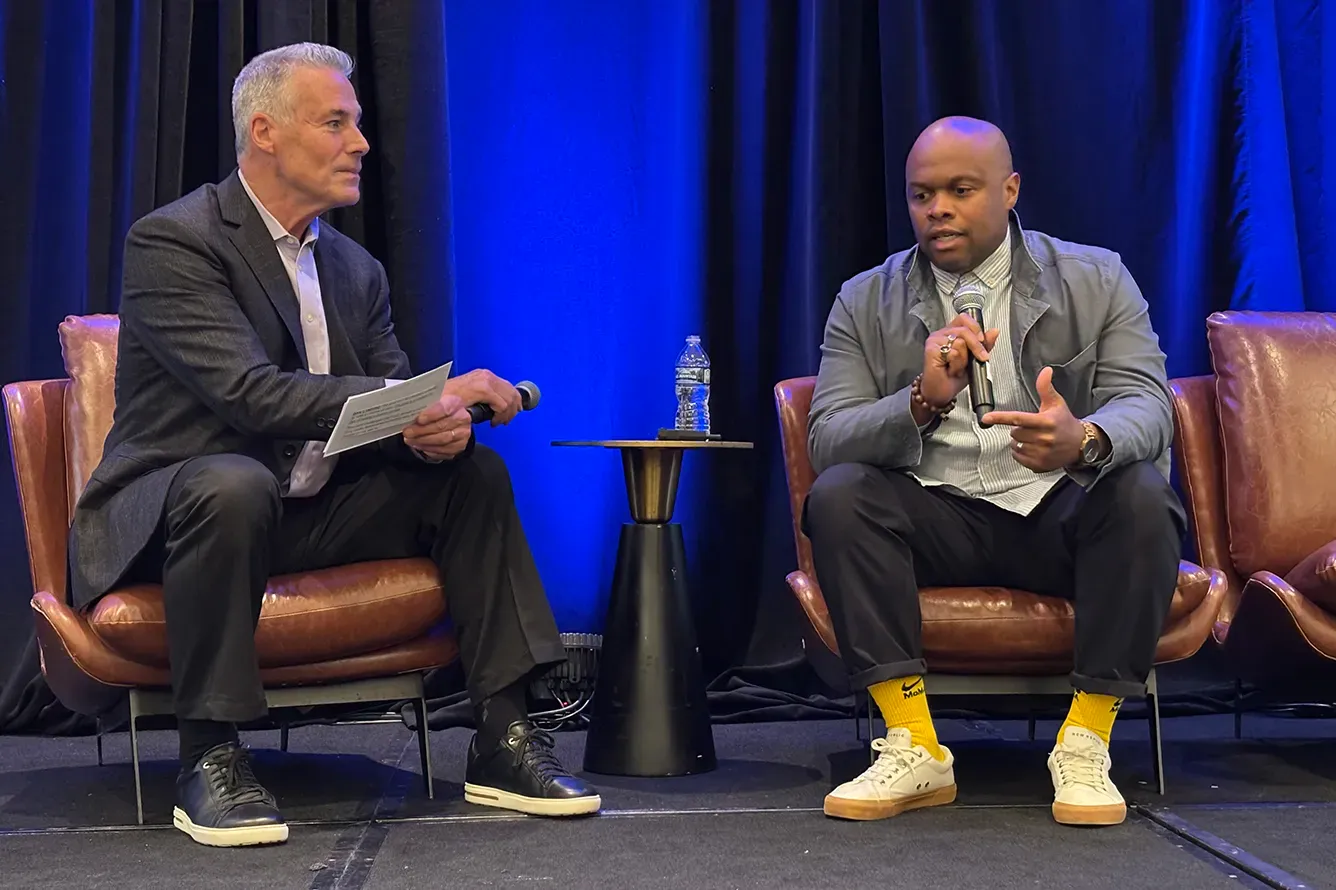
Walker said Target seeks “newness”—authenticity, innovation, or differentiation—as part of its mission to bring joy to everyday life. His team serves as an internal incubator, offering free online resources and a learning center, as well as Takeoff, a nine-week program that helps hand-selected brands prepare for launch with buyers. Walker leads the activation and growth team, which coaches brands once they reach store shelves, "where real work happens."
He warned founders not to assume that securing a listing guarantees success. "Biggest misconception is everything's going to be great," Walker said, pointing out that new brands compete with more than 3,000 others and need to make their case with strong, data-backed proposals. He urged brands to focus on their best products: "If you have seven options, don't come to the meeting with all seven. Come to the meeting with the top three or top two." He pointed to Chomps, which generated tens of millions in sales in a single quarter after launching mini meat sticks, as an example of listening to the data and adapting.
Mack echoed Bain's emphasis on iteration, recalling Method co-founder Eric Ryan’s line that a product isn't real until it hits the shelf—and that the shelf then becomes a laboratory. Asked how economic pressure affects shoppers, Walker advised founders to know their numbers before the conversation comes up. "I always say be ready versus getting ready," he said.
The summit also featured several panel discussions with retail executives, including Jessica Groves, supplier development manager at Ahold Delhaize; Alyssa Vescio, chief merchandising officer at The Fresh Market; Stephanie Kuhn, lead director of merchandising for cosmetics at CVS; Antoine Hinton, senior director of small business development at Dollar General; and Kelly Landrieu, principal of local and emerging brands at Whole Foods Market.
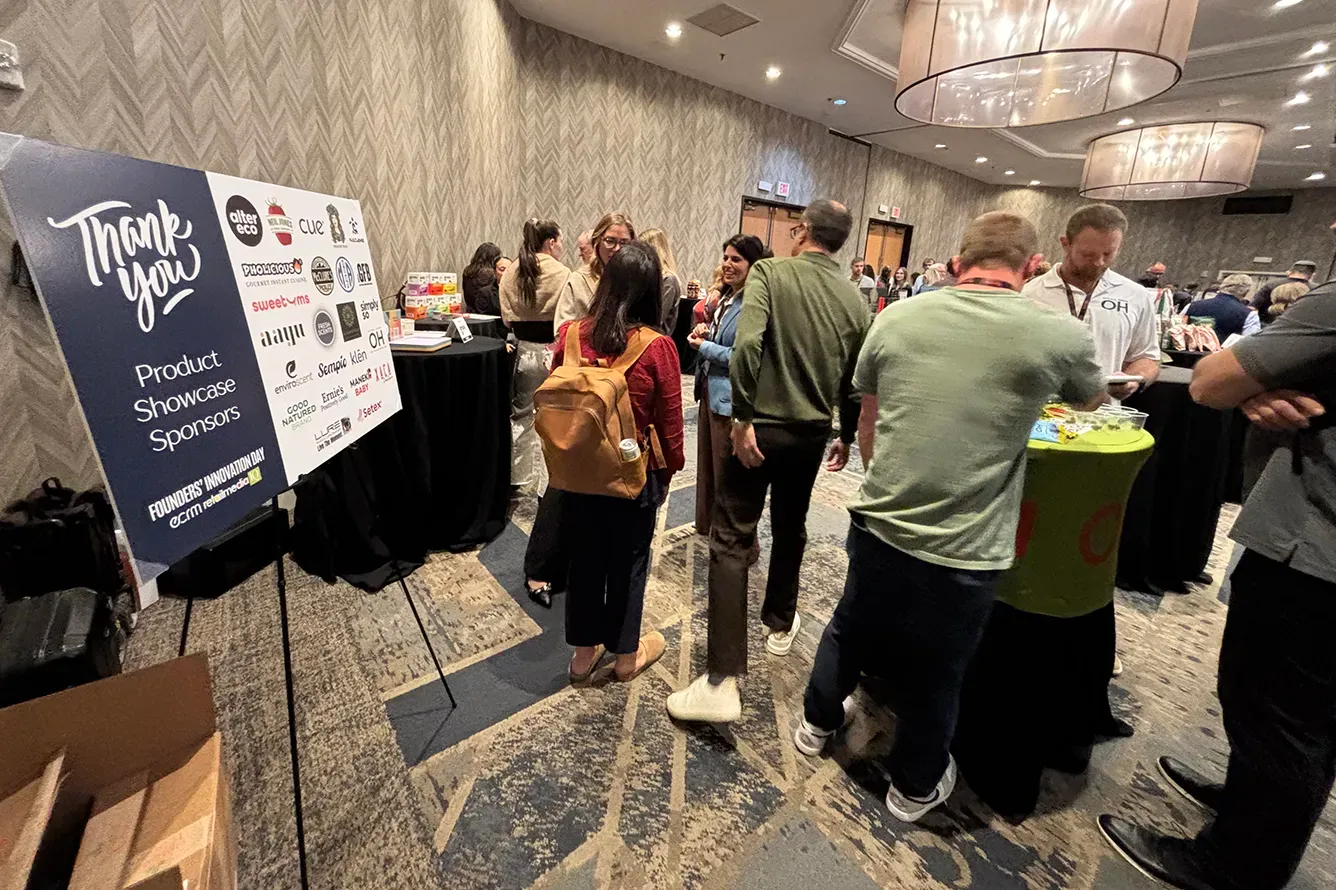
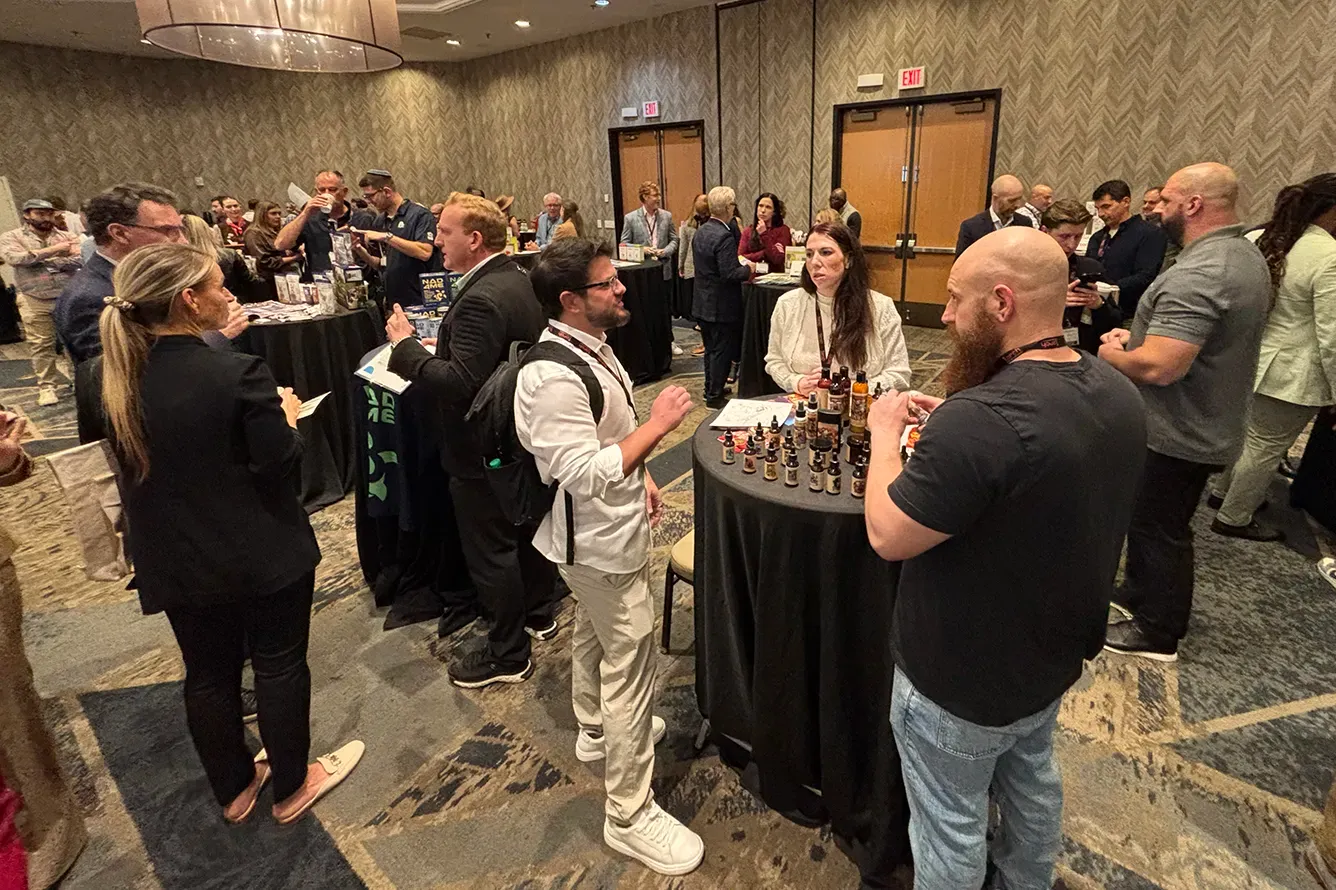
Between sessions, emerging brand suppliers offered samples and product demonstrations, giving retailers and fellow founders a hands-on preview of the next wave of products competing for shelf space.
Submit Your Press Release
Have news to share? Send us your press releases and announcements.
Send Press Release