
CHICAGO — The latest Consumer Stress Index from the Kearney Consumer Institute (KCI) reveals that while consumer spending appears steady, deep financial and emotional strains are intensifying beneath the surface — particularly among lower- and middle-income households.
The quarterly update, based on a survey of more than 24,000 consumers across 12 countries, shows widening divides between income groups and a growing sense of insecurity that belies stable top-line data. Financial and geopolitical pressures now account for over 60% of consumers’ top stress sources, a ten-point increase year over year.
“Stability in aggregate is masking stress in practice,” said Katie Thomas, lead at the Kearney Consumer Institute. “Higher-income consumers are keeping spending levels steady, which makes the data look stable. But lower-income consumers are under mounting pressure, cutting back and optimizing more aggressively than ever. The result is a false calm: resilience that hides real strain.”
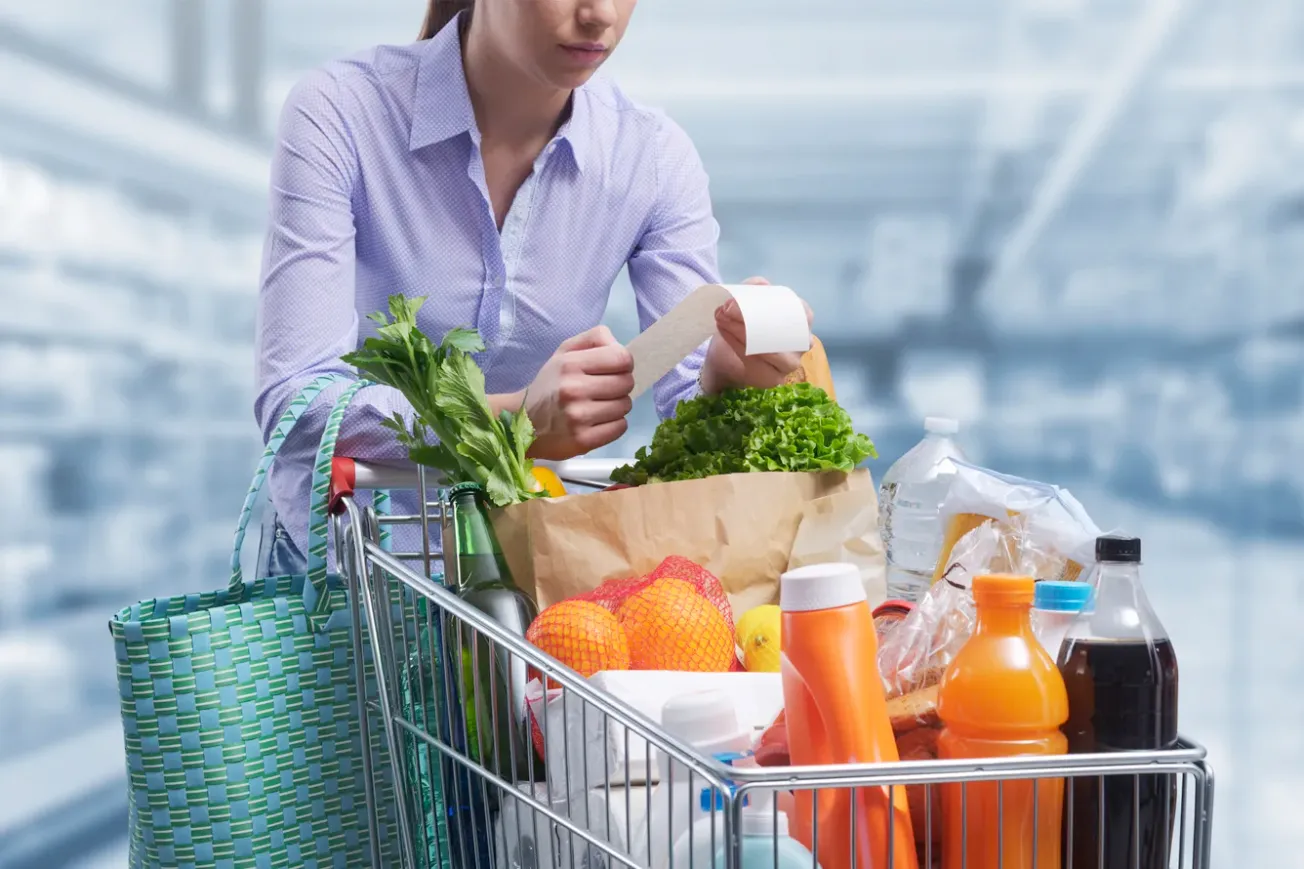
The Q3 2025 report suggests that the American middle class is experiencing what KCI terms “compression, not collapse.” While median wealth and spending have plateaued, affordability challenges — including housing, credit card debt, and the return of student loan payments — continue to squeeze household budgets.
Only 25% of U.S. consumers say they could find a new job quickly, underscoring growing career insecurity despite an otherwise solid labor market. Meanwhile, 43% report taking actions to lower their cost of living, a steady figure that reflects ongoing adaptation and financial resilience.
At the same time, social media is compounding stress by amplifying perceptions of inequality and promoting what KCI calls “upgrade culture” — the constant pressure to improve lifestyles even when budgets are constrained. “Consumers are feeling strain both structurally and psychologically,” Thomas noted. “Housing affordability pressures and revolving credit balances meet a constant feed of geopolitical headlines and partisan conflict.”
A Polarized and Fatigued Consumer
Political fatigue is now emerging as a significant contributor to consumer stress. The Index found that 59% of U.S. consumers say political division is ‘very upsetting,’ a 17-point increase from a year ago, highlighting the emotional dimension of today’s economic uncertainty.
Geopolitical instability, inflation fatigue, and election-year rhetoric have combined to create what KCI describes as “ambient anxiety” — a sense that external forces are limiting individual control over financial and personal progress.
Four Forces Shaping Consumer Behavior
Kearney’s latest analysis identifies four key dynamics likely to influence shopping and spending patterns as the holiday season approaches:
Holiday spending: Consumers will seek “moments of joy” but remain value-driven, prioritizing online research, price comparisons and deal-hunting.
Private label growth: Store brands are increasingly viewed as smart, quality-driven choices rather than budget compromises — shifting the mindset from “why buy?” to “why not buy?”
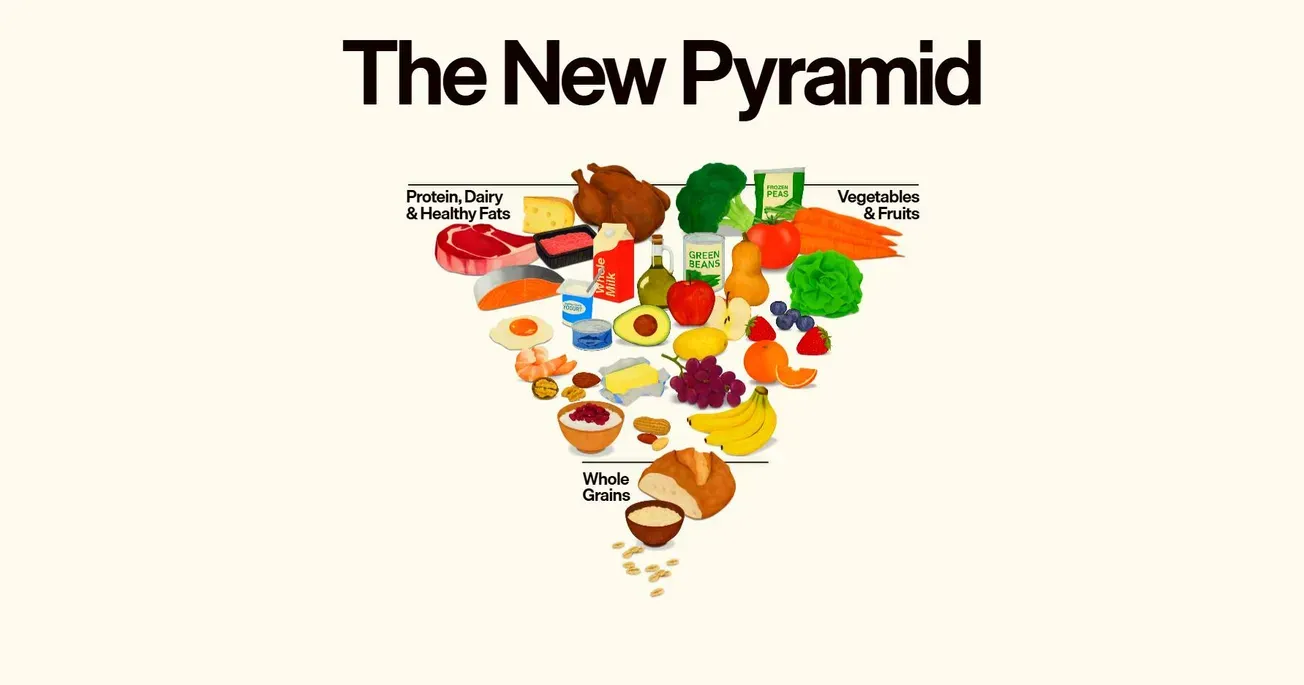
Health and regulation: KCI’s “MAHA implications” (Modern Affordability, Health and Accountability) point to cleaner ingredients and transparency becoming baseline expectations.
Apparel and beauty: The report describes “identity compression” — consumers maintaining aspirational appearances while applying greater financial scrutiny to every purchase.
Redefining the Middle Class
The Kearney Consumer Institute concludes that the middle class is not disappearing but redefining what it means to have “enough.” For brands and policymakers, this means rethinking how value, security, and self-perception intersect in the consumer landscape.
“The middle class isn’t disappearing; it’s redefining itself,” Thomas said. “Brands and policymakers alike need to understand how consumers measure ‘enough’ in a world that keeps moving the goalposts.”
Despite steady retail sales and resilient spending in aggregate, KCI warns that the “middle-class squeeze” remains a defining feature of the current economy — one that will continue to shape consumer behavior, brand loyalty, and political sentiment well into 2026.