
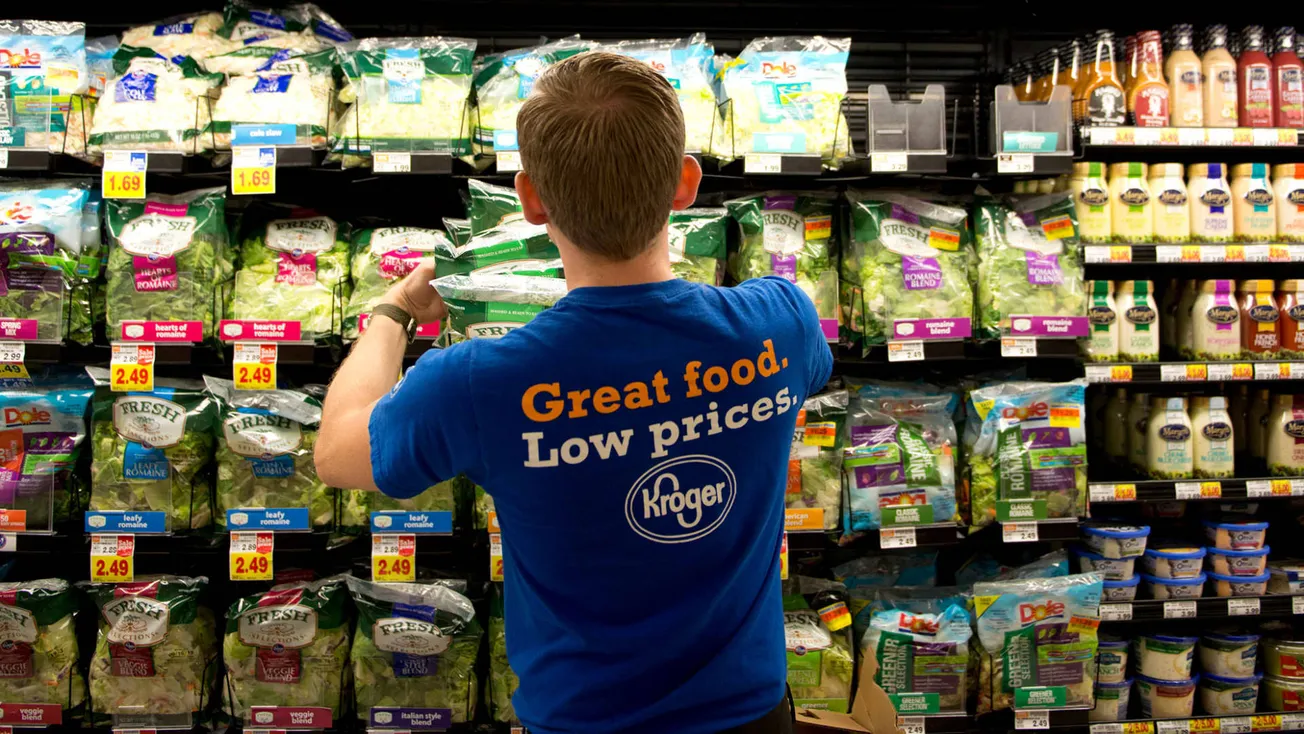
CINCINNATI — The Kroger Co. reported another stronger-than-expected quarter and raised its full-year guidance, underscoring the resilience of U.S. grocery demand as consumers gravitate toward essentials and value in the face of tariff pressures and rising prices elsewhere.
For the quarter ended August 16, the supermarket giant reported identical sales without fuel up 3.4%, with e-commerce climbing 16%. Net income jumped nearly 31% to $609 million, or $0.91 per share, while adjusted EPS of $1.04 topped Wall Street estimates. Operating profit rose to $863 million, with adjusted FIFO operating profit reaching $1.09 billion.
Total company sales held steady at $33.94 billion, but excluding last year’s contribution from Kroger Specialty Pharmacy—which the company sold—sales rose 3.8%. Gross margin improved to 22.5% from 22.1%, helped by the divestiture, lower supply-chain costs, and reduced shrink.
Why it matters
The beat-and-raise quarter reinforces a broader trend: grocery is holding up while discretionary retail cools. Food-at-home spending is proving sticky, with many shoppers continuing to prepare meals at home even as restaurants raise menu prices. Analysts note that “food-at-home sits favorably in times of consumer stress and in terms of tariff exposure,” giving chains like Kroger a relative cushion.
Interim CEO Ron Sargent framed the results as evidence of progress on “simplifying the organization” and focusing on value creation, while CFO David Kennerley pointed to robust momentum in pharmacy, e-commerce and fresh foods.
The update also highlights Kroger’s ability to use Our Brands and promotions to meet demand for affordability. Earlier this year, the company cut prices on more than 2,000 items—moves that helped maintain traffic in an environment where shoppers are increasingly bargain-oriented.
Guidance and capital strategy
For full-year 2025, Kroger now expects:
- Identical sales (ex-fuel): +2.7% to +3.4% (raised from +2.25% to +3.25%)
- Adjusted EPS: $4.70 to $4.80 (up the low end from $4.60)
- Operating profit: $4.8 to $4.9 billion
The grocer is also executing one of retail’s most aggressive buyback programs: a $5 billion accelerated repurchase set to wrap up in the third quarter, followed by another $2.5 billion in share repurchases by year-end. That’s helping bolster earnings per share even as debt metrics rise; Kroger’s net debt-to-EBITDA ratio is now 1.63x, up from 1.24x last year but still well below management’s 2.3x–2.5x target range.
Competitive landscape
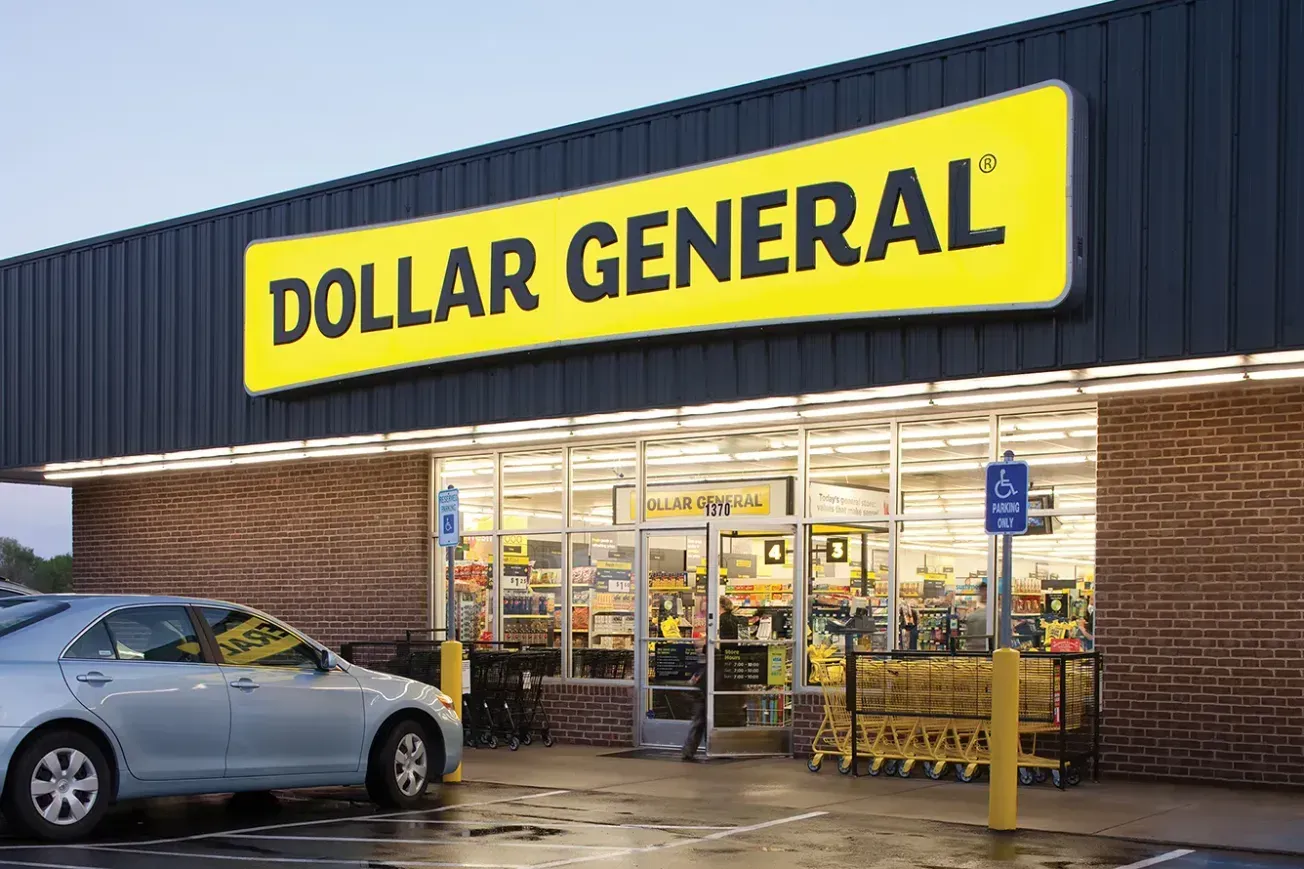
Kroger’s performance comes as rivals Walmart and Dollar General also raised guidance, reflecting the same consumer dynamic: shoppers across income levels hunting value and channeling more spend toward groceries. Walmart in particular has been leaning into food discounts, while Amazon is expanding delivery capabilities—pressuring Kroger to keep pushing on e-commerce efficiency and fulfillment speed.
Still, Kroger enjoys relatively limited exposure to U.S. tariffs compared with general-merchandise peers, giving it some pricing flexibility. The grocer is diversifying sourcing and trimming certain items as it braces for potential inflationary pass-through later this year.
What’s next
Kroger’s legal battle with Albertsons over their failed $24.6 billion merger is still unfolding, while its leadership team searches for a permanent CEO. In the meantime, the company is prioritizing store optimization, digital profitability, and customer value.
Investors, meanwhile, will be watching:
- Holiday and cold-flu season: pharmacy comps and vaccine traffic
- Tariff fallout: whether price cuts can hold if supplier costs rise
- Digital unit economics: can 16% e-comm growth continue alongside better margins?
For now, Wall Street is rewarding consistency. Kroger shares rose more than 3% in early trading after the earnings release, extending a year-to-date gain of about 10%.