
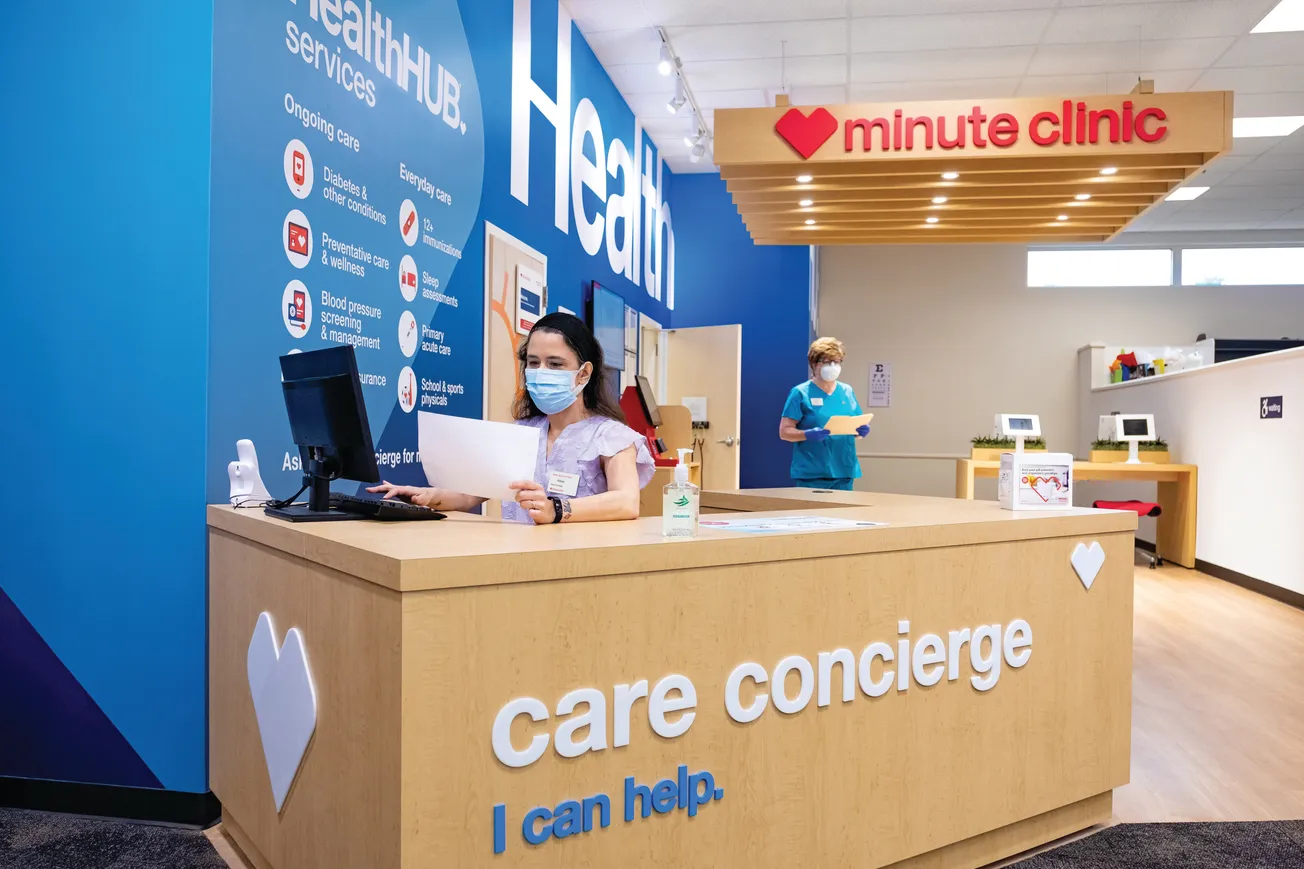
There is broad agreement that retail health is a concept that could, if thoughtfully implemented, enhance the well-being of Americans, while at the same time making health care more efficient, affordable and effective. Consumers would benefit from easy access to community-based treatment and support, payers would save money by leveraging the lowest-cost point of care, and retailers and CPG companies would better serve their customers and, in so doing, increase their share of a lucrative, burgeoning market. The objectives are apparent, but the path forward remains unclear.
“The question is what is retail health, and is it defined? Is it known, and is it standardized across our organizations, or is it just an idea that we’re all kind of rallying behind? Let’s define what it is and what the model could be, and then orient all our different verticals around the parts that we can play within it,” said Jim Kirby, Kroger Health’s chief commercial officer, during a recent meeting of the Retail Health Initiative at Harvard University. Assembled by RHI co-founders Sarah Hoit and Dan O’Connor, the group of health care and technology leaders gathered to explore a range of strategic options.
After citing some of retail health’s attributes — convenience, transparency, affordability — and contrasting them to the health care system as a whole, Kirby asked, “How might we transform our organizations to fully realize the potential of retail health? If we start with a very basic thing, as we are doing at Kroger — being customer obsessed and knowing the customer, documenting that knowledge, and using it to drive care decisions — and orient the rest of the model around that, that’s the beginning of the retail health transformation.”
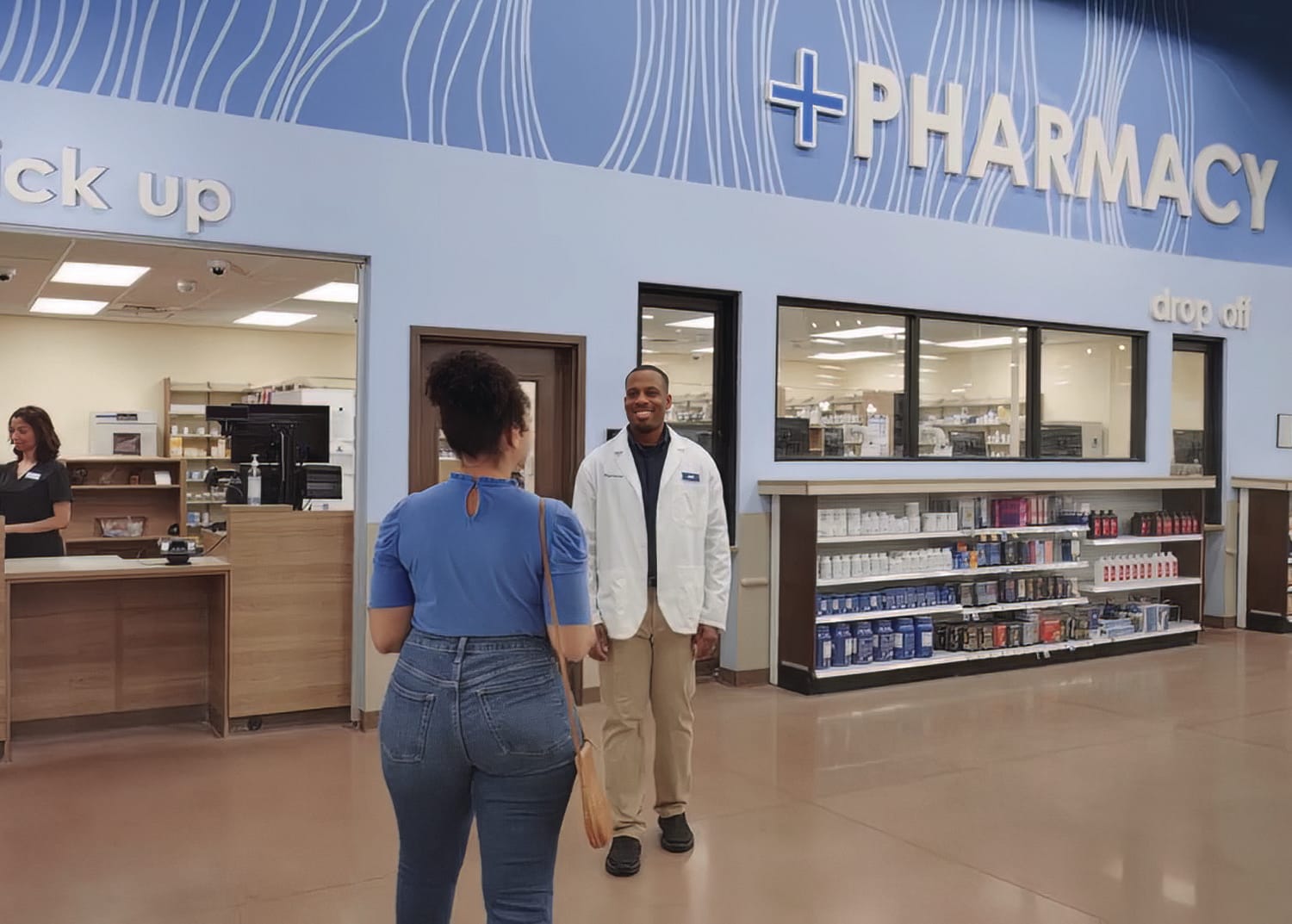
The metamorphosis starts in pharmacy — long the mainstay of health and wellness in a retail setting — and extends across the store. Shoppers in the drug, grocery and mass channels are increasingly judging products — everything from over-the-counter medications and nutritional supplements to food, exercise equipment, health monitors and other digital health tools — through the lens of their potential impact on overall well-being. The trend shows tremendous promise, although some attempts to meld health care and retail, including the addition of walk-in clinics to stores, have thus far produced uneven results.
“Ninety percent of adults have a lifestyle goal and want vitality,” said Hoit, who, in addition to her work at RHI, is chief executive officer of VitalityIP Inc., a digital nutritionist and personalized health engine, and chairman of Social Impact Partners: Global Brain Health and Longevity Initiative, a consortium focused on bringing collaboration, innovation and investment to brain health and longevity. “Almost everyone has a nutrition or lifestyle-related health issue. People want to improve their own health and that of their families, but don’t know how. Given that 80% of our health outcomes are food and lifestyle related, we have a tremendous opportunity to change that.”
'Eighty percent of our health outcomes are food and lifestyle related'

Research conducted by Circana bears out that assertion. Consumers of all ages are showing increasing interest in health and wellness, according to Sally Lyons Wyatt, the company’s global executive vice president and chief advisor for consumer goods and foodservice insights, although members of different generations gravitate to different parts of the sprawling category. In the U.S., consumers spend $1.3 trillion a year on health and well-being products in the CPG and general merchandise sectors, she said. Add in more than $600 billion a year in pharmacy volume and the total increases to almost $2 trillion.
“We really have been studying the physical, the mental and the community side of how consumers are embracing well-being,” noted Lyons Wyatt. “When we asked consumers to talk about what they are incorporating into their routines as they’re practicing self-care, these were the top three — eating healthy, exercising, and taking vitamins and supplements. This is something that all age groups are doing to a varying degree, but pretty much all generations are doing it. Other activities that they were also embracing range from going to the doctor to getting a massage to meditating. Even beauty has gotten into health and wellness in spades with different fragrances and aromatherapy.”
Food is one area that resonates with health-conscious consumers of all ages. By promoting the positive impact that proper nutrition has on a person’s well-being, Kroger, Hy-Vee and other supermarket operators are augmenting the definition of retail health and elevating the role of dietitians. FMI – The Food Industry Association is working to foster that development and expand the role of grocers in health care.
“We recognize that more and more consumers are elevating their health, and they are fully supportive of that trend,” said Krystal Register, vice president of health and well-being at FMI. “We’ve got a lot going on right now. At FMI, we look at consumer trends, and we’re hearing a lot of the same things that Circana is — people want to know what do I want to be including in my diet, but also what do I want to be avoiding? As registered dietitians and nutritionists, we’re hopeful that more consumers align their dietary patterns with beneficial foods. And then, it really gets into a personalized space, where we can help consumers become self-motivating.
“We talk about food-centered health, but we’re also delivering all the other preventive care and self-care options. The grocery store is taking a holistic view of health, and it is becoming a destination in the community — from feeding assistance programs to preventive care and all the professional health care guidance and services.”
Even as the definition of retail health expands, community pharmacy faces serious challenges. The need for life-saving and life-enhancing medications and related services is greater than ever, but the downward pressure on reimbursement rates, which has plagued the sector for decades, threatens its viability. More than 7,000 pharmacies closed their doors since the start of the COVID pandemic, with four locations a day currently added to that group.
A new payment model that shifts the basis of reimbursement from prescriptions dispensed to services rendered is required. Such a change would not only restore the financial health of pharmacy, but help unlock the profession’s potential to play a bigger role in community-based care.
“I went to pharmacy school and learned how to assess certain conditions,” noted Kevin Host, senior vice president of pharmacy at Walmart. “I’m not a doctor, I’m not a diagnostician, but I can certainly treat a lot of minor ailments, and so can a lot of pharmacists. We’re not allowed to. In most states, we’re limited to dispensing medications, giving immunizations and counseling patients about treatment, which is important, but we want to move beyond transactions and impact the health of our communities in a deeper, more meaningful way.
“So, we’re trying to free up time to spend with our customers, talking to them about health, wellness, longevity and eating right. We want to leverage technologies like AI to help personalize those health care journeys. We want to use the pharmacist to help with that individual support.”
That evolution is already under way. In recent years, Walmart has launched more than 100 Specialty Pharmacies of the Community (SPOCs) across the U.S. The facilities offer condition-specific care delivered by specially trained associates. Existing SPOCs focus on HIV and autoimmune diseases. Host indicated that, in the future, some Walmart pharmacies could specialize in inflammatory disease, COPD and longevity.
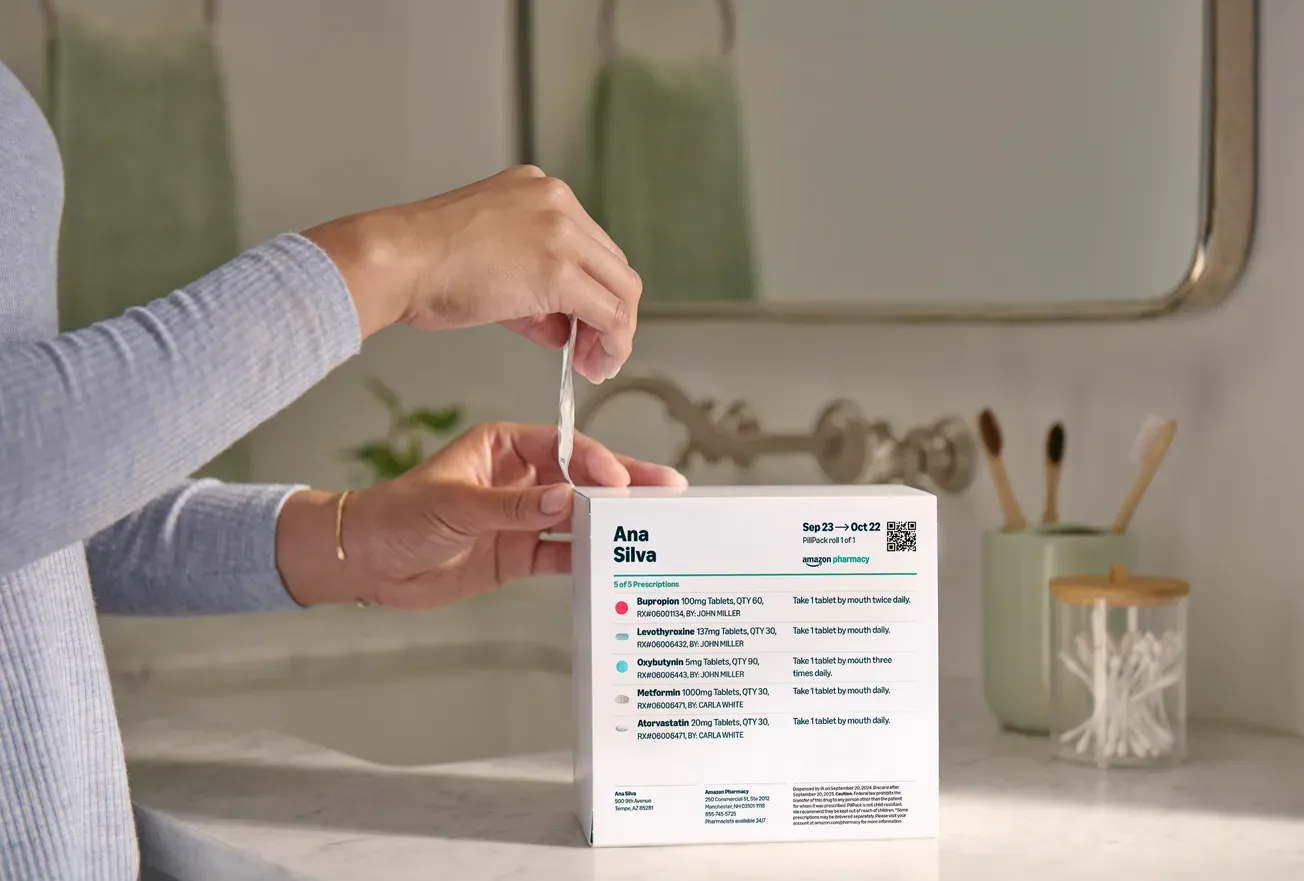
Retailers of all sizes, including many independent drug stores, are working to make the transition to a future focused on delivering individualized patient care. If all goes well, such services as diagnostic testing and pharmacist prescribing for common ailments will become the norm, while the task of filling and checking scripts is largely automated.
As in other aspects of retailing, the holy grail is personalization. “We want to create an environment where the pharmacist knows customers better than they know themselves,” said Kirby. “Part of our mission statement is that we’re going to improve health outcomes, but it all starts with creating an emotional, longitudinal relationship with the customer. Being customer obsessed means knowing everything about them, from their kids, their grandkids, their dogs, their marriages, their major milestones, but also the prescriptions that they’re filling, as well as the other things behind the prescription that we’re not seeing.”
'As the pharmacy deserts that already exist demonstrate, lack of convenient access is devastating for members of the community.'
Elevating the standard of care in that manner will solidify retailers’ position as — in the formulation of the National Association of Chain Drug Stores — the face of neighborhood health care. “Ninety percent of Americans live within five miles of a retail pharmacy, whether it’s a chain pharmacy or an independent,” said NACDS president and chief executive officer Steve Anderson. “We need to protect that vital resource; patients need a place where they can walk in and benefit from one-on-one interaction with a health care provider. As the pharmacy deserts that already exist demonstrate, lack of convenient access is devastating for members of the community.”
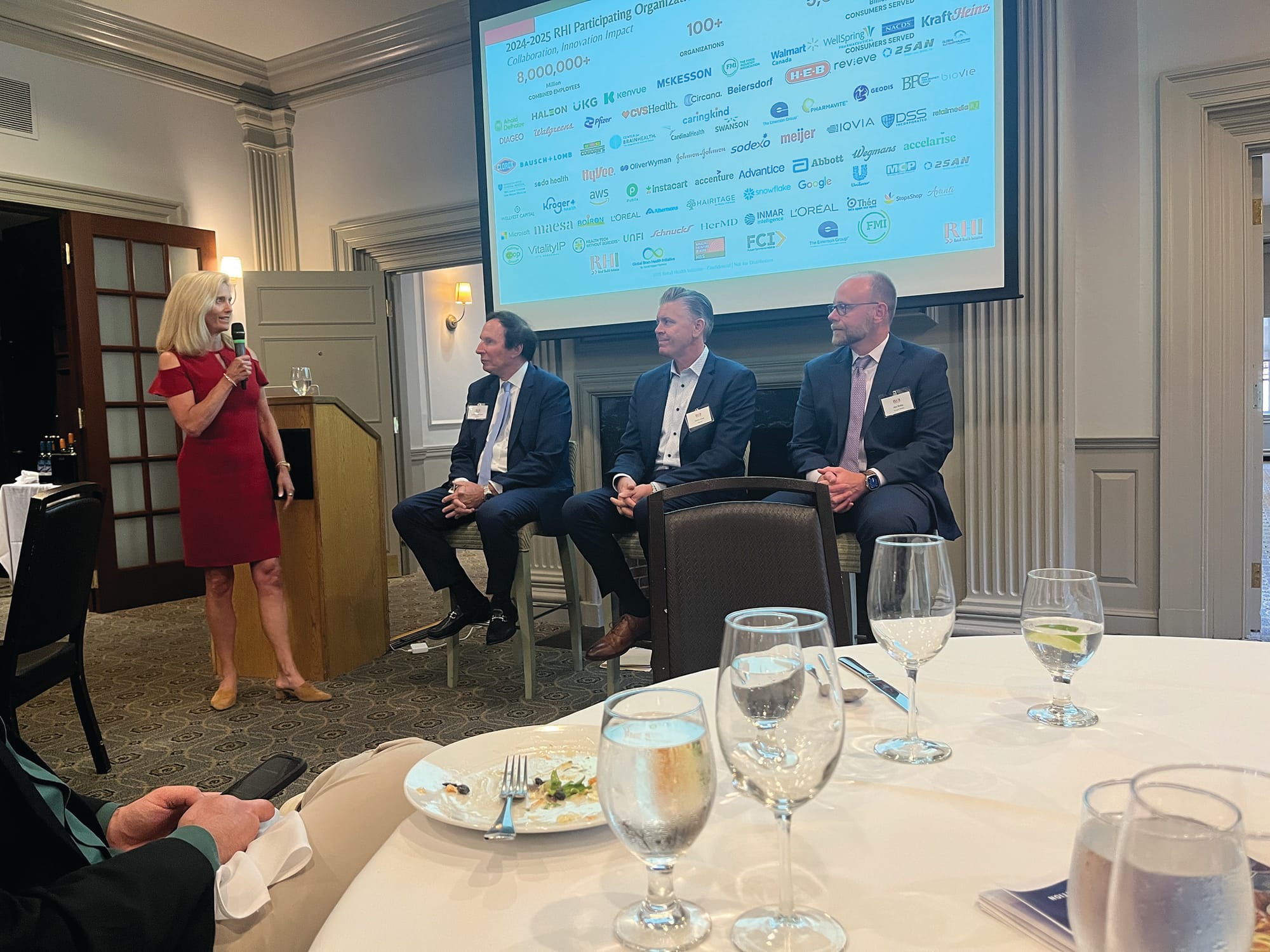
It is inconceivable that retailers can meet the needs of consumers — in the pharmacy department, grocery aisles or other parts of the store that relate to health and wellness — without recourse to technology. The intersection of digital tools and health care was a focal point of the RHI meeting, which was attended by several technology entrepreneurs and academics, including O’Connor, an executive fellow at Harvard Business School.
“Here we sit today trying to think about how we connect what goes on in the store with health, and be a health-centered retailer,” he said. “A lot of the retailers that you’ve heard in this environment over the last couple of years have really articulated this. They’ve done a good job of that. But I don’t believe what you’ve seen so far is the answer.”
Finding one won’t be easy within the context of a retail landscape transformed by agentic AI. O’Connor predicts that, by 2030, 30% to 40% of groceries will be purchased by personalized digital agents. The shift will change the way retailers interact with customers and patients significantly.
“If you think about the world today, we have lots of data that we use in all that we do to make decisions,” he said. “We’re headed to this world where the time between data and decisions is getting much, much shorter. I’m suggesting it’s very likely we’re moving to a world in the next five years where 40% of fast-turning consumption will use an agent-to-agent model, with a human in the loop or without the human in the loop.
“When everything was done in the store, there was lot of time to influence the consumer. Let’s put a dietitian in the store. Let’s put content out into the world and try to teach the world about why better nutrition is good for you. But the fact is that we’re coming down this funnel and agents may or may not listen. The consumer sets the parameters.”
While widespread use of agentic AI will present challenges for marketers, it promises to improve patient care through N-of-1 medicine, an AI-powered approach that draws on an individual’s patient records, together with millions of comparable data points, to help physicians determine the next best treatment option. Pharmacists and dietitians should also benefit from similar comprehensive, data-driven tools.
The ability to master information and apply it will be the differentiator for retailers and other businesses going forward, according to O’Connor. “There’s only one killer app in this whole world, and that’s data,” he asserted. “The only thing I want to hear from people talking about data is what their data road map is.
“So, the question for all of you is, how will we stay in these transactions? Health care is an incredibly important capability. I don’t know how much more you’re going to be able to scale pharmacy. We’re automating it, and some of the pharma companies are going to go direct. Then you go into all these adjacent services, and now we’re trying to link food to that. We’re trying to connect the rest of the store to the idea of health care. That gets you loyalty, it gets you frequency, it gets you bigger baskets. Pharmacy and health-related services and merchandise are anchors for consumer trust and then extending that authority into food, diet and overall well-being will be the key for retailers winning in 2030.”
Even with the assistance of agentic AI, tying the various threads of retail health together in a coherent pattern, one that’s easy for patients and consumers to grasp and respond to, won’t be easy. Many questions are still to be answered, but one thing is certain: As deliberations continue among retailers and their business partners about how best to proceed, payers — both in the private sector and in government — must be brought into in the conversation. Their active participation is a perquisite for unlocking retail health’s full potential.