

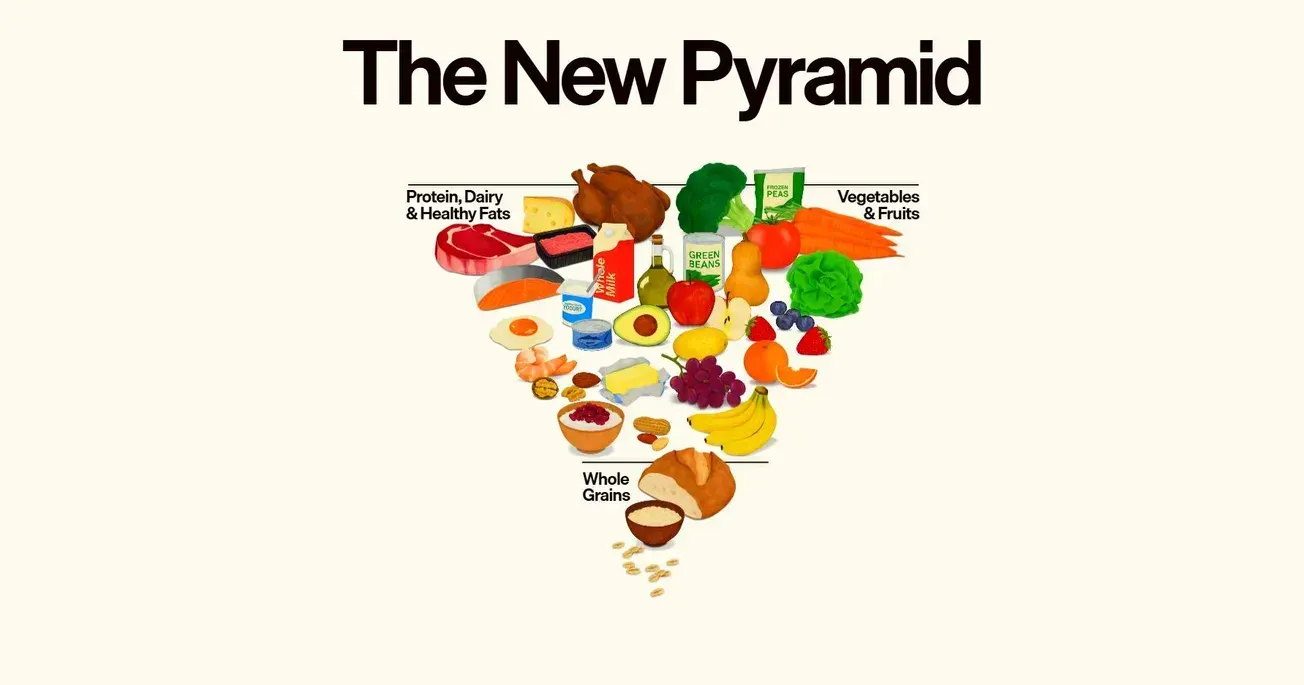
WASHINGTON — Updated U.S. dietary guidelines are starting to change how consumers shop at grocery stores, emphasizing a move toward fresh foods in the perimeter sections while posing new challenges for center-store producers, according to a new analysis from Numerator.
The findings indicate that the revised food pyramid, which focuses on protein, whole foods, and reduced intake of ultra-processed products, is shaping purchasing habits during a period when retailers are already experiencing increased demand for fresh and nutrient-rich items.
 MMR
MMR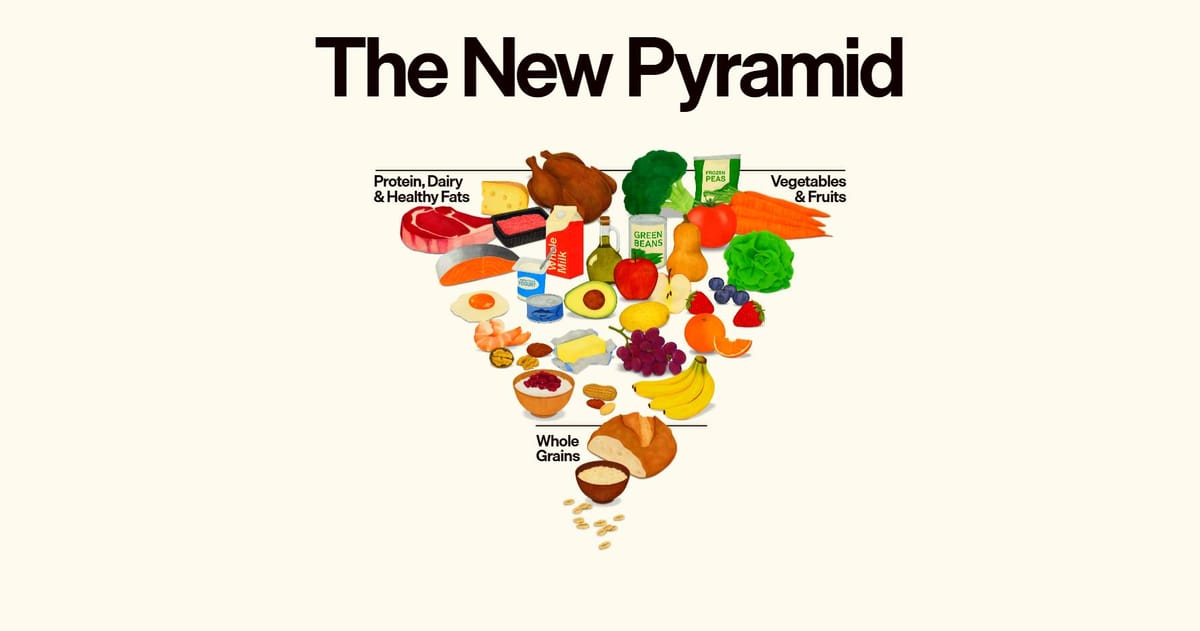
Numerator reports that spending on vegetables, protein and dairy continues to rise, reflecting a broader migration toward perimeter departments. The trend has been building for several years, but the updated dietary guidelines are helping validate and accelerate the shift by redefining what consumers view as “healthy.”
The implications for retail are significant. While perimeter categories are gaining momentum, the center store remains dominant, accounting for roughly 49% of total grocery sales compared to 42% for perimeter and 9% for frozen.
That imbalance highlights the complexity faced by retailers and suppliers. Even as shoppers say they want to buy less ultra-processed foods, their actual spending on these categories keeps growing. Instead of replacing center-store items, consumers are adding healthier options alongside their usual purchases, leading to more varied baskets.
Protein has become a major focus for growth throughout stores, with both animal-based and plant-forward options benefiting from rising consumer interest in satiety, nutrition, and overall wellness. This trend is shaping assortment choices, merchandising strategies, and private label development across various retail formats.
However, the shift toward fresh and protein-rich foods comes with a cost.
Numerator estimates that fully aligning with the updated dietary guidance would raise annual grocery expenses by about $1,012 per household, mainly due to higher costs in fresh and protein categories.
Nearly half of consumers cite affordability as the main reason their shopping habits do not fully follow the new guidelines, highlighting a structural tension between nutrition advice and economic reality.
The impact varies across shopper segments. Higher-income households are better positioned to shift spending toward perimeter categories, while middle-income and larger households continue to rely more heavily on center-store products for value and convenience. This dynamic presents both risk and opportunity for retailers as they balance premium, health-forward offerings with price-sensitive assortments.
Awareness of the updated food pyramid also remains limited. Numerator data shows only about two in five consumers currently recognize the new guidance, suggesting further changes in shopping behavior could emerge as awareness grows.
For retailers, the findings point to a need for greater clarity and execution at shelf. About 22% of consumers say clearer labeling or in-store guidance would help them align purchases with the new recommendations, creating opportunities for merchandising, signage and private label positioning to bridge the gap between intent and action.
As the industry continues to evolve, Numerator’s analysis indicates that growth will not come from abandoning center store, but from adapting it. Processed and packaged foods are expected to remain a core part of the basket, but with increased emphasis on protein, functional benefits and ingredient transparency.
In that environment, retailers who can effectively link health-driven demand with value, convenience, and clear communication will be best positioned to gain the next phase of grocery growth.
Submit Your Press Release
Have news to share? Send us your press releases and announcements.
Send Press Release