
LA FARGE, Wis. – Organic Valley is proud to announce a pioneering collaboration with Stonyfield Organic, UNFI, and Whole Foods Market to facilitate emissions reductions across the U.S. organic dairy supply chain through the launch of Verified Impact Units (VIUs) derived from carbon insetting. This is an innovative step toward making the food you love part of the climate solution.
Leaders across the organic dairy supply chain, from family farms to food producers to distributors to grocers, are coming together to reduce greenhouse gas emissions in a way that's measurable, verified, and scalable. This pioneering collaboration means that every business involved can be a part of a movement to make food better for the planet!
"By collaborating with Organic Valley, Whole Foods Market, and Stonyfield Organic on this innovative Carbon Insetting Program, we're working to create solutions that can help lower greenhouse gas emissions and build a more resilient supply chain, benefiting our customers, our suppliers, and the planet," said Alisha Real, vice president of sustainability and impact at UNFI.
Here's how it works: By the time a product reaches your local grocery store, multiple supply chain partners have played a role in bringing it there. The emissions generated at the farms producing the ingredients are part of the climate footprint of the companies in that supply chain. Through Organic Valley's Carbon Insetting Program, farms generate Verified Impact Units where all participating businesses in the supply chain can collectively invest in farm-level solutions to reduce emissions, lowering the climate impact for everyone involved. This program creates a model that can be scaled to drive meaningful change across a shared supply chain.
"As food companies, we know that the greatest climate impact from our products happens at the farm. We are thrilled to be part of this pioneering collaboration where all of the companies involved — from the farm to manufacturing to distributor to retail — can come together to support farmers in taking action to reduce our shared impact," said Britt Lundgren, Stonyfield Organic senior director of sustainability and government affairs.
Together, we're proving that sustainability efforts can be collaborative and scalable and can help drive real, verified climate action on the farm.
"This initiative represents an innovative new model for producing food that sees stakeholders from across the food system coming together to drive meaningful, measurable change," said Caitlin Leibert, global head of sustainability at Amazon Worldwide Grocery. "It's about rethinking how we care for the land and supporting the people behind our food — reflecting the collective effort of farmers, producers, retailers, and distributors who are helping us build a more resilient food system."
What Is Carbon Insetting?
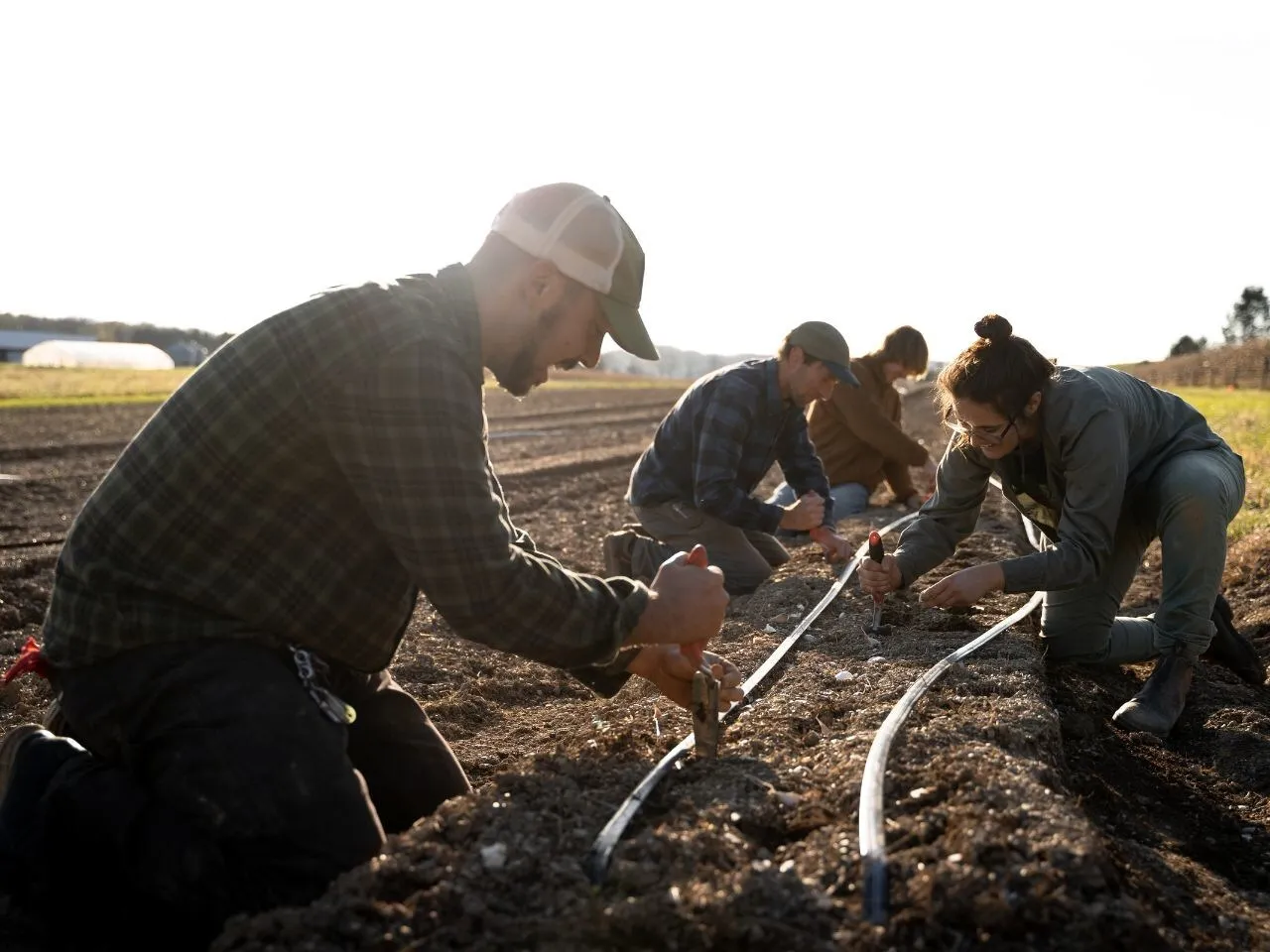
Carbon insetting means investing directly in practices that can reduce emissions and promote the use of clean energy sources on the farms that produce food, rather than buying offsets somewhere else. The Organic Valley Carbon Insetting Program helps lower the climate impact of organic dairy products.
"It makes it easy to feel good about the food people buy and its role in sustaining the earth," said Jessica Luhning, Organic Valley senior sustainability manager. "When we collaborate across the value chain, we unlock new ways to reduce emissions, meet climate goals, and support the people at the heart of it all — our farmers."
On-Farm Practices That Make a Difference:
- Solar Power: Farms install solar panels to generate clean energy, reducing reliance on fossil fuels.
- Feed Innovations: Special feed additives (like essential oils) help cows produce less methane, a greenhouse gas.
- Manure Management: New systems separate and treat manure, further reducing emissions.
Transparency and Trust
Every Verified Impact Unit is third-party verified and publicly reported on the SustainCERT VIVID platform, a purpose-built impact registry that assigns, tracks, and records each unit to ensure transparent ownership and prevent double counting of claims across the value chain, providing an auditable and trustworthy system that reinforces credibility for consumers and partners alike.