
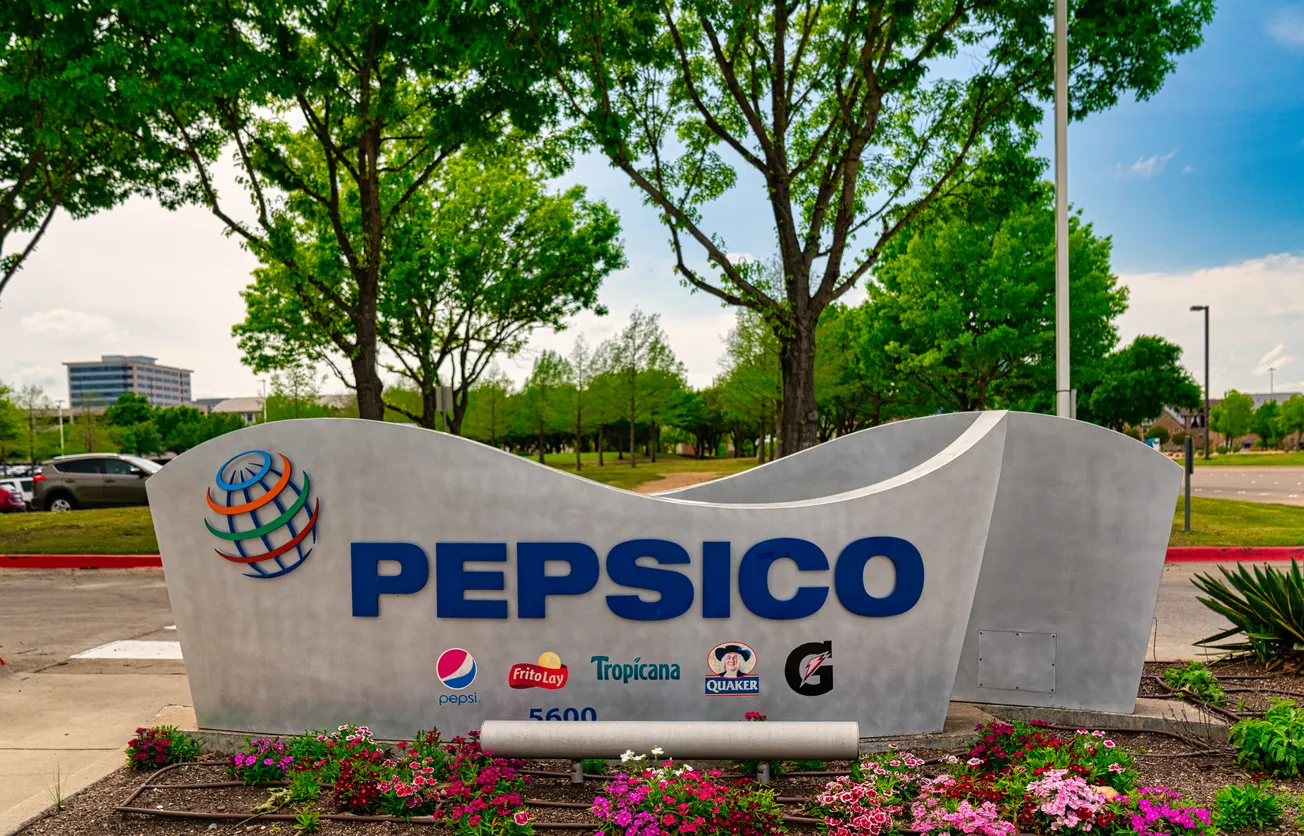
PURCHASE, N.Y. — PepsiCo reported stronger-than-expected second-quarter earnings and revenue on Thursday, boosted by robust international sales and a rebound in soda demand, even as U.S. performance remained sluggish.
The food and beverage giant posted revenue of $22.73 billion for the quarter, up 1% from a year ago and ahead of analysts’ expectations of $22.28 billion, according to LSEG data. Adjusted earnings per share came in at $2.12, beating Wall Street’s estimate of $2.03.
“Our business remained resilient during the second quarter, navigating through a complex geopolitical and macroeconomic environment,” PepsiCo executives said in a statement.
Despite the top-line beat, PepsiCo’s net income dropped 59% year-over-year to $1.3 billion, primarily due to impairment charges tied to brands such as Rockstar and Be & Cheery.
The company’s international segment, which accounts for roughly 40% of total net revenue, proved a key growth engine. Revenue increased in markets such as Latin America and Asia, driven by robust sales of low- and no-sugar beverages. A weaker U.S. dollar also helped mitigate the impact on profit forecasts.
In contrast, North American performance continued to lag. Frito-Lay and other snack brands experienced a 1% decline in regional sales, while beverage sales dropped 2%. The global volume of food fell by 1.5%, while the volume of drinks remained unchanged.
Still, Pepsi’s namesake soda was a bright spot. “Volume for Pepsi rose during the quarter, and Pepsi Zero Sugar saw double-digit volume growth,” executives noted in prepared remarks.
CEO Ramon Laguarta expressed optimism about a turnaround in the U.S. during a call on Thursday. “Consumers are adopting protein solutions in their diets at a pace that was not the case in a few years back,” he said. “We can provide democratized solutions at large scale. That’s what we’re trying to do.”
To reinvigorate its North American portfolio, PepsiCo plans to introduce protein-enhanced versions of snacks, such as PopCorners, and beverages later this year. The company is also relaunching key brands such as Lay’s and Tostitos without artificial ingredients, aligning with consumer preferences for cleaner labels.
“If the consumer is telling us that they prefer products that have sugar and they prefer products that have natural ingredients, we will give the consumer products that have sugar and have natural ingredients,” Laguarta said, responding to speculation about potential changes to sweetener use in sodas.
The company is also expanding value-oriented offerings, such as Chester’s and Santitas, to address perceptions of high prices, which have dampened demand following years of pricing increases.
PepsiCo reiterated its full-year outlook, expecting core earnings per share to decline 1.5%, a narrower drop than the previously forecasted 3%. On a constant currency basis, core earnings are projected to remain flat.
Speaking to Reuters, RBC Capital Markets analyst Nik Modi said, “Expectations were low coming in, and while results were not overly robust, they exceeded expectations.”
Shares of PepsiCo rose more than 6% in morning trading Thursday, reflecting investor confidence in the company’s international performance and strategic efforts to stabilize its U.S. business.