
NEW YORK — The U.S. retail industry is barreling toward $6 trillion in annual sales, according to a new report from Coresight Research. But the road there runs through an increasingly split economy.
The research firm's "Market Navigator: US Retail" report projects total retail sales growth will accelerate to 4.4% in 2026, up from 4.0% last year and the biggest increase since 2022, pushing the market to $5.5 trillion. Coresight expects total retail sales to hit the $6 trillion threshold in 2029. But the growing topline number masks a fracturing marketplace, where a handful of giants are pulling away from the pack, and consumer spending is fragmenting across resale platforms, off-price chains, cross-border marketplaces, social commerce and rapid-delivery services.
The concentration at the top is stark. Walmart and Amazon each now capture more than 10% of total US retail sales for the first time — Walmart at 11.08% and Amazon at an estimated 10.34% of gross merchandise volume, up from 8.35% in 2021. Together with off-price winners like TJX Companies and Ross Stores, and digital upstarts such as Temu and TikTok Shop, a dozen companies accounted for nearly half of all retail sales growth between 2019 and 2025.
Coresight frames the consumer backdrop as "K-shaped": higher-income, asset-holding households are driving spending gains while lower- and middle-income consumers are squeezed by inflation and policy changes to programs like SNAP and Medicaid. The Congressional Budget Office estimates the top 10% of earners will see a 2.3% increase in financial resources this year, versus a 3.9% decline for the bottom 10%.
Inflation itself has become a wild card. After cooling to near-zero in 2024, retail-specific inflation reaccelerated in early 2026 as tariff costs worked through supply chains and the Iran conflict disrupted oil markets, pushing gas prices up more than 40% year-over-year in May. A June 14 US-Iran agreement eased crude prices, which Coresight says could provide disinflationary relief right around the holiday shopping season. (Renewed hostilities could put that relief on hold, though.) Meanwhile, elevated tax refunds — running 18% above last year — have also flowed directly into discretionary spending, particularly apparel.
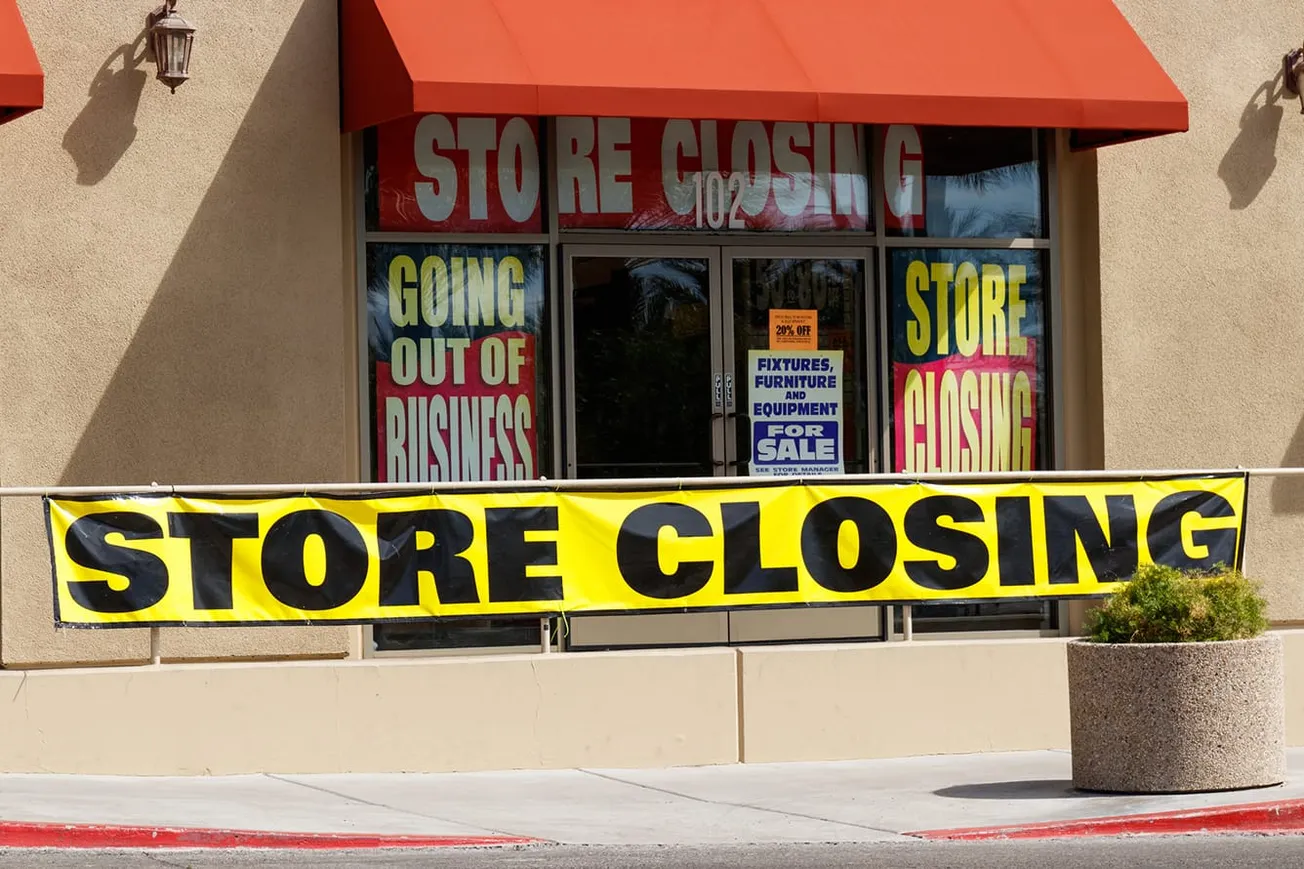
Not every sector is sharing in the resilience. Home furnishings and home-improvement retail remain weak spots, tethered to a housing market strained by mortgage rates well above 6%. Department stores continue to struggle broadly, though Coresight notes that chains investing in store-level execution — citing Macy's "Reimagine" locations and Target's staffing improvements — are outperforming peers like Kohl's.
The report also flags a near-term opportunity: tariff refunds. Roughly $166 billion in duties are eligible for reimbursement to retailers and brands, with $127 billion in an initial phase, though a Justice Department appeal has introduced uncertainty over timing. Coresight urges retailers to funnel any refunds into three areas — store experience, competitive pricing and "future readiness" technology like AI-driven inventory management — rather than banking the cash as short-term margin.
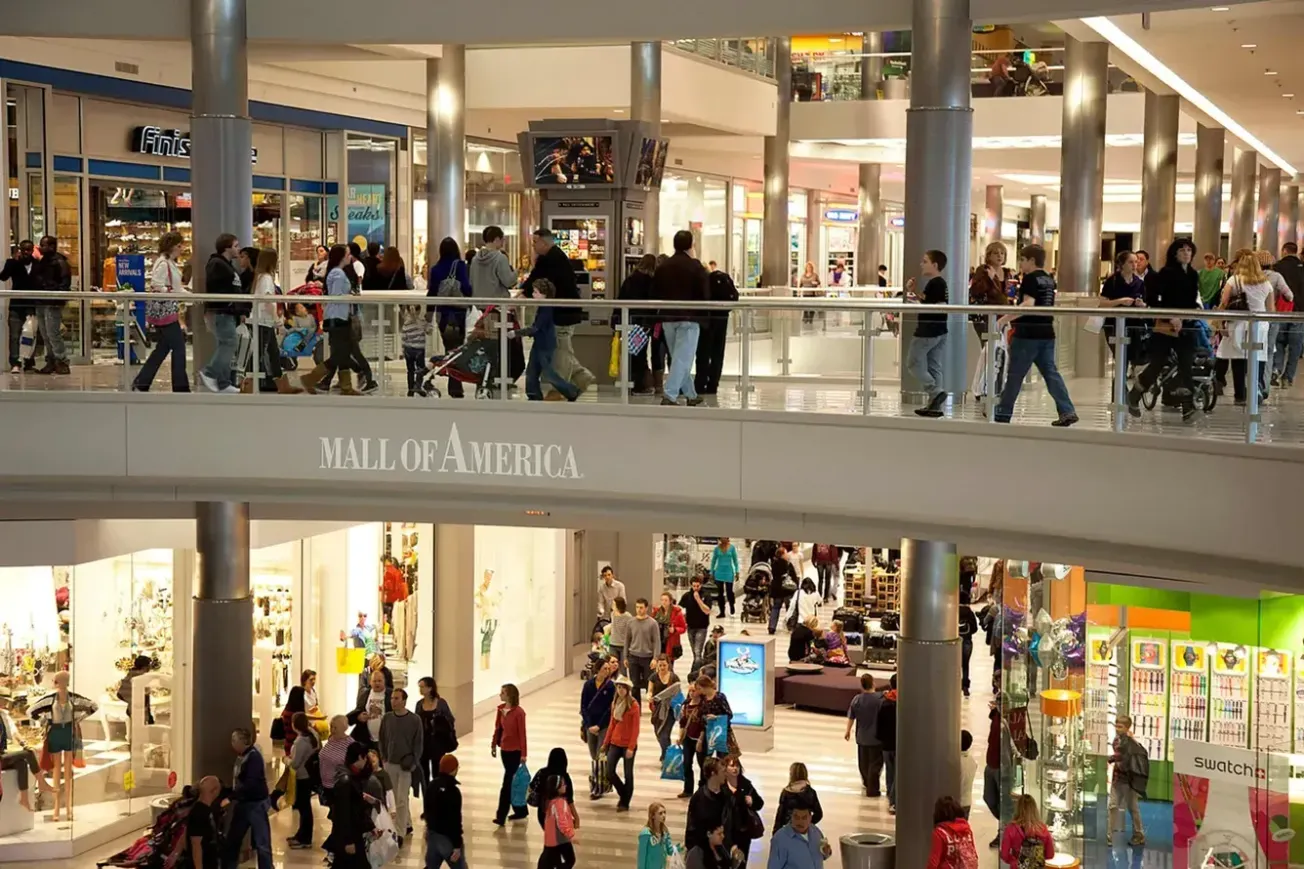
Underlying the report is a bet on convenience and experience as the new battlegrounds. Quick commerce is shifting from a premium perk to a baseline expectation, with Amazon rolling out 30-minute delivery in dozens of cities and Walmart delivering more than a third of online orders in under three hours. Meanwhile, Coresight argues physical stores must serve two increasingly polarized shopper demands simultaneously: frictionless efficiency for some, immersive "in real life" experiences for others increasingly primed by social platforms like TikTok.