
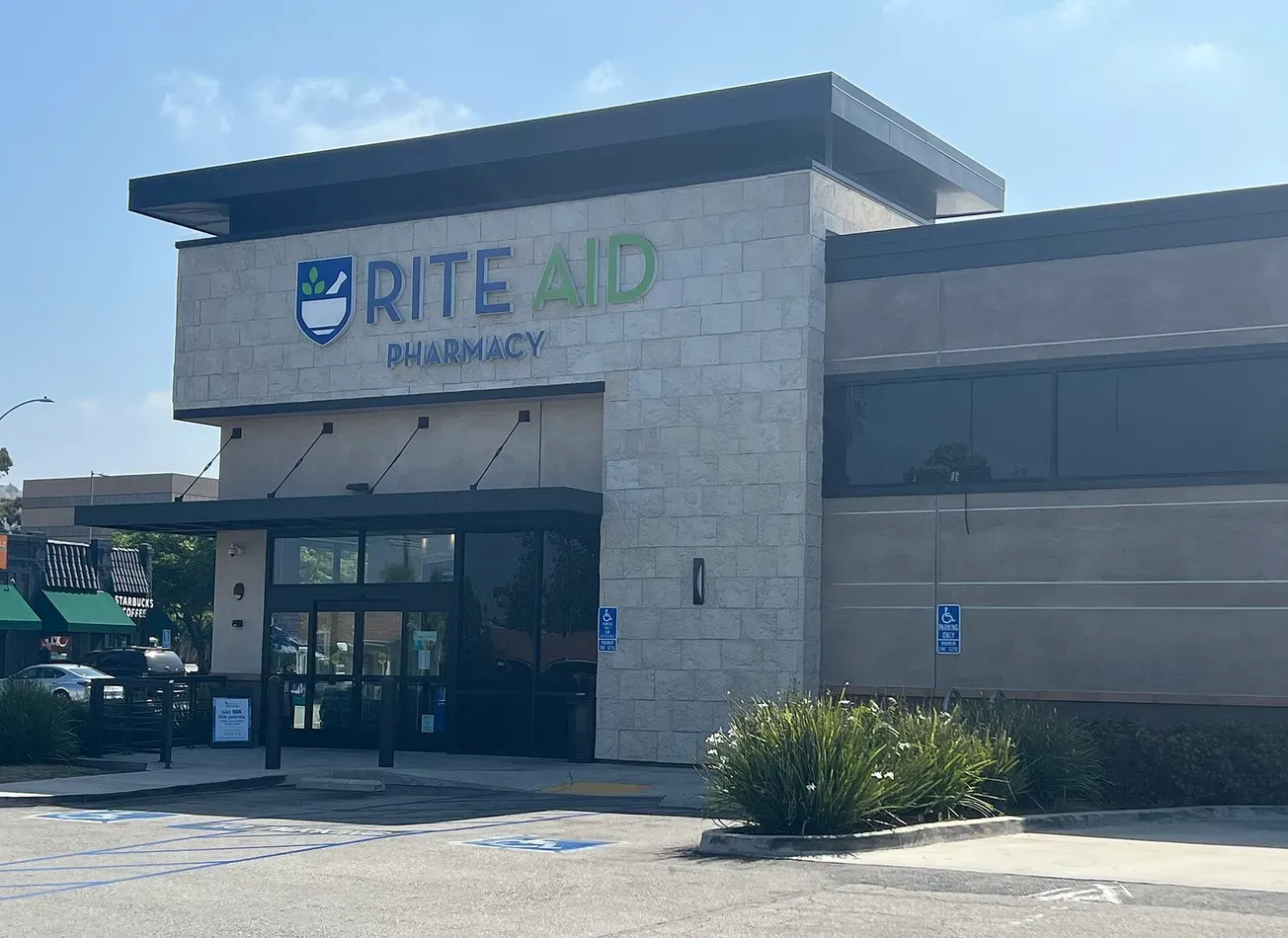
PHILADELPHIA — Rite Aid, once one of America’s largest pharmacy chains, has permanently closed its remaining 89 stores this week following its second bankruptcy filing in less than two years.
“All Rite Aid stores have now closed. We thank our loyal customers for their many years of support,” the company wrote on its website.
Although the site has removed retail services, it remains available for former customers to request pharmaceutical records or locate nearby pharmacies for prescription transfers.
Originally founded in 1962, Rite Aid became a household name and was widely recognized for its popular Thrifty ice cream brand, which was sold during bankruptcy proceedings.
Alex Grass, a lawyer by profession, founded Rite Aid because he saw an opportunity. Grass’ retail career began in 1951 when he went to work for his father-in-law’s grocery distribution company.
After getting acclimated to the retail business, Grass noticed that Pennsylvania was lacking stores that sold health and beauty aids at competitive prices. He responded by opening a store in his native Scranton, Pa. That store — operating under the Thrif D Discount Center banner — proved to be a hit with customers.
The chain then grew to 50 stores by 1968, at which point its name was changed to Rite Aid and it became a public company, trading on the New York Stock Exchange.
Rite Aid became a pharmacy operator for the first time in 1969 by acquiring the Rochester, N.Y.-based Daw Drug Co. That acquisition was huge and doubled Rite Aid’s size, and continued a pattern of growth, both organic and through additional acquisitions, that continued throughout Grass’ tenure as head of the company. By the time Grass stepped down as the company’s chairman and chief executive officer in 1995, Rite Aid was the nation’s largest drug store chain by store count and the second-largest by revenue.
Grass was honored as Retailer of the Year in 1992 by Chain Drug Review. In an interview, Grass cited his focused approach to chain drug retailing “If we’ve succeeded, the two biggest reasons are consistency and persistence,” Grass explained at the time.
Over the years the company acquired such major chains as Eckerd Drug, Genovese and Bartell Drugs.
The company first filed for bankruptcy in October 2023, burdened by intense competition from larger chains and more than $4 billion in debt, mostly due to costly legal battles over allegedly unlawful opioid prescriptions.
After emerging from bankruptcy in September 2024, Rite Aid reduced its debt by $2 billion, secured $2.5 billion in financing and closed roughly 500 stores. By May, the chain operated about 1,250 locations — half of its 2023 footprint. Rite Aid then sold most of its pharmacy operations to competitors including CVS, Walgreens, Albertsons, Giant Eagle and Kroger, transferring services from more than 1,000 stores.
In May, CVS rebranded the Rite Aid and Bartell Drugs locations it acquired in the Pacific Northwest.