
WASHINGTON — In December, the U.S. Department of Agriculture (USDA) Food and Nutrition Service issued long-anticipated guidance on how it will implement new SNAP food-restriction waivers approved in an increasing number of states.
| Click here for our complete C-store coverage |
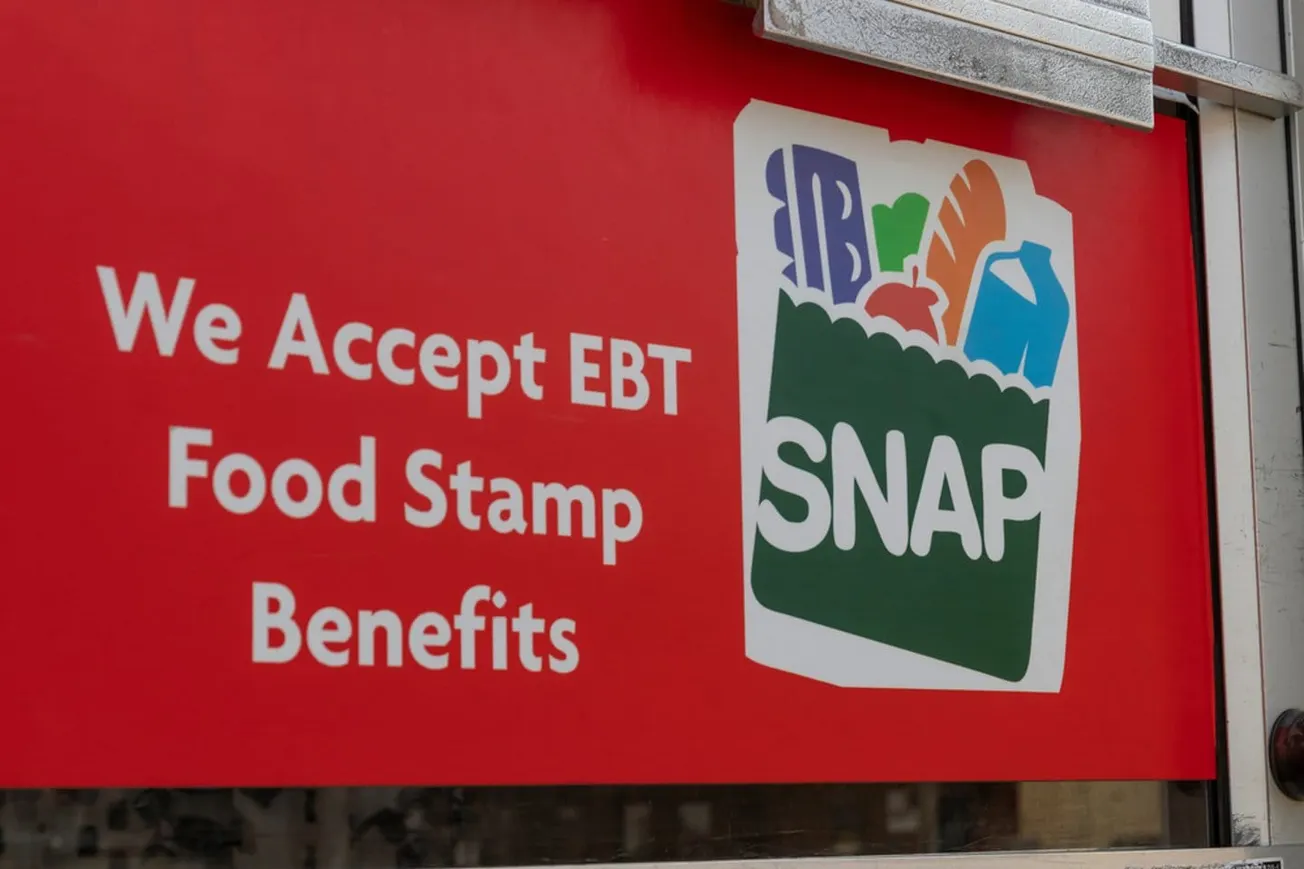
The guidance follows USDA approval of waiver requests in 18 states to prohibit the purchase of certain items, including candy and sugar-sweetened beverages, with SNAP benefits. It establishes a federal compliance and penalty framework that will apply to all SNAP-authorized retailers operating in states with approved waivers.
However, the guidance does not clarify what counts as “candy” or “soda,” which adds confusion for retailers already navigating a patchwork of state-specific rules. Deciding which products still qualify for SNAP has become more complex, retailers told The Wall Street Journal.
In one example cited, a SNAP customer in Idaho was able to buy a chocolate-covered cookie candy bar because it contains flour, but not a milk-chocolate bar. The same customer could purchase both items across the border in Utah, but not when traveling to Arkansas.
The first restrictions took effect on January 1 in Indiana, Iowa, Nebraska, Utah, and West Virginia. At least 13 additional states are expected to adopt similar limits in the coming months, according to reporting by The New York Times.
Historically, SNAP recipients have been prohibited from buying items like alcohol, tobacco, dietary supplements, hot prepared foods, and live animals. The new waivers represent a major expansion of restricted categories.
The USDA gave retailers a 90-day grace period before initiating compliance investigations, but provided no further clarification on the definitions of prohibited products. After the grace period, retailers learned that being out of compliance twice could result in the loss of their SNAP authorization.
“Layering a two-strike penalty structure on top of a state-by-state patchwork of definitions is a recipe for confusion,” said Margaret Mannion, director of government relations for NACS. “Retailers are being told they’ll face serious consequences without clear guidance from USDA on what products are actually prohibited.”
Mike Wilson, chief operating officer at Cubby’s, told the Journal he is worried that an employee might accidentally sell a restricted item, risking the store’s SNAP eligibility.
While withdrawing from SNAP is an option, Wilson said many Cubby’s locations operate in rural communities with limited retail access.
“In many of the rural communities in Nebraska and Iowa that we serve, Cubby’s isn’t just a convenience store, it’s the grocery store,” Wilson wrote in a LinkedIn post. “That reality raises the stakes and makes these changes more than a compliance issue; they’re a community issue.”
Mannion added that frontline employees will be responsible for explaining complex rules to customers. “It’s not the governor who is going to be standing behind the counter explaining the changes. It’s going to be an 18- or 19-year-old employee,” she said.
NACS said it continues to engage with USDA to seek clarification on enforcement details and to assess the guidance’s impact on SNAP retailer participation, particularly among small and rural operators.
Submit Your Press Release
Have news to share? Send us your press releases and announcements.
Send Press Release