

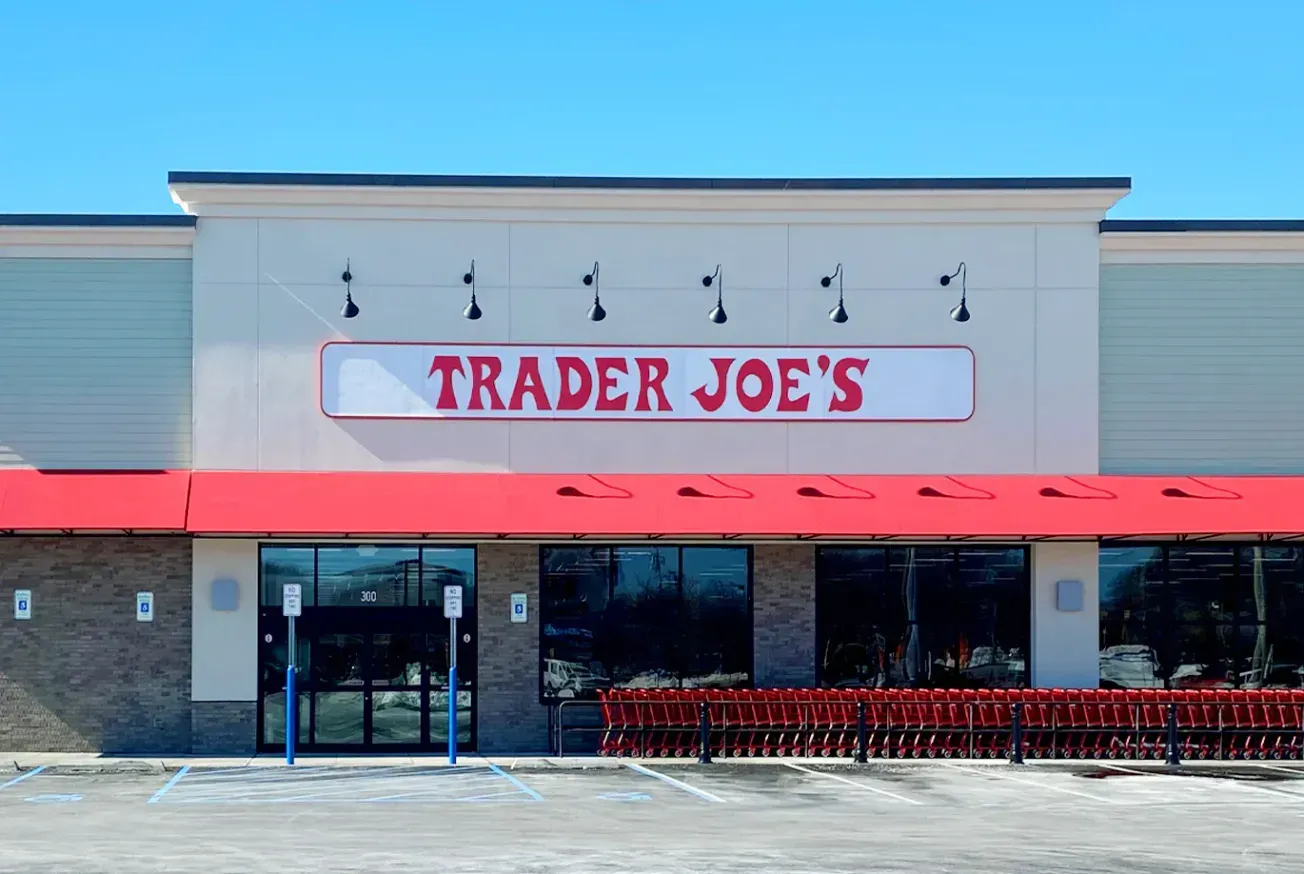
Organic and specialty grocery chains showing strong and steady growth
NRF projects continued growth in experience-led, health-forward formats, with digitally influenced grocery trips still rising.
NRF projects continued growth in experience-led, health-forward formats, with digitally influenced grocery trips still rising.
Label reading rises as 58% of shoppers check ingredients before buying, with 87% of health-focused consumers doing so

The 2026 Power of Frozen in Retail report shows more consumers are adding frozen foods to meals, valuing their nutrition and waste reduction.
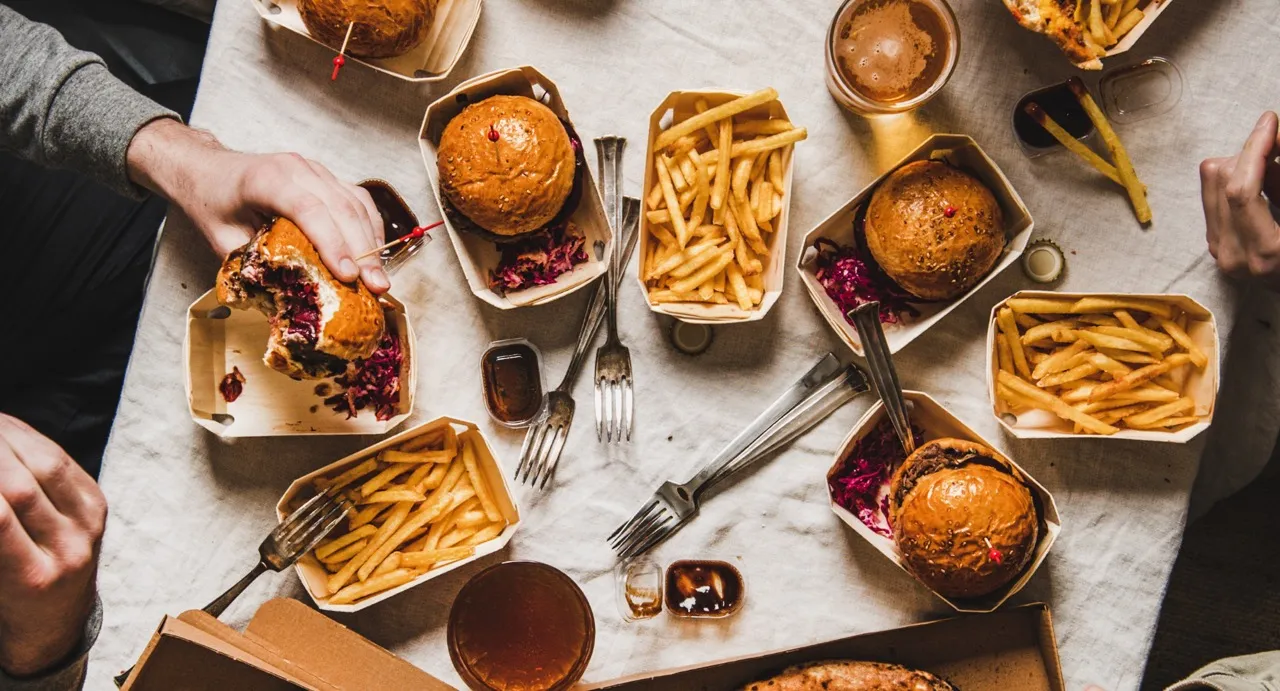
Datassential's new research shows 53% of Gen Alpha visit quick-service restaurants weekly, with children influencing family dining choices and showing strong brand preferences.
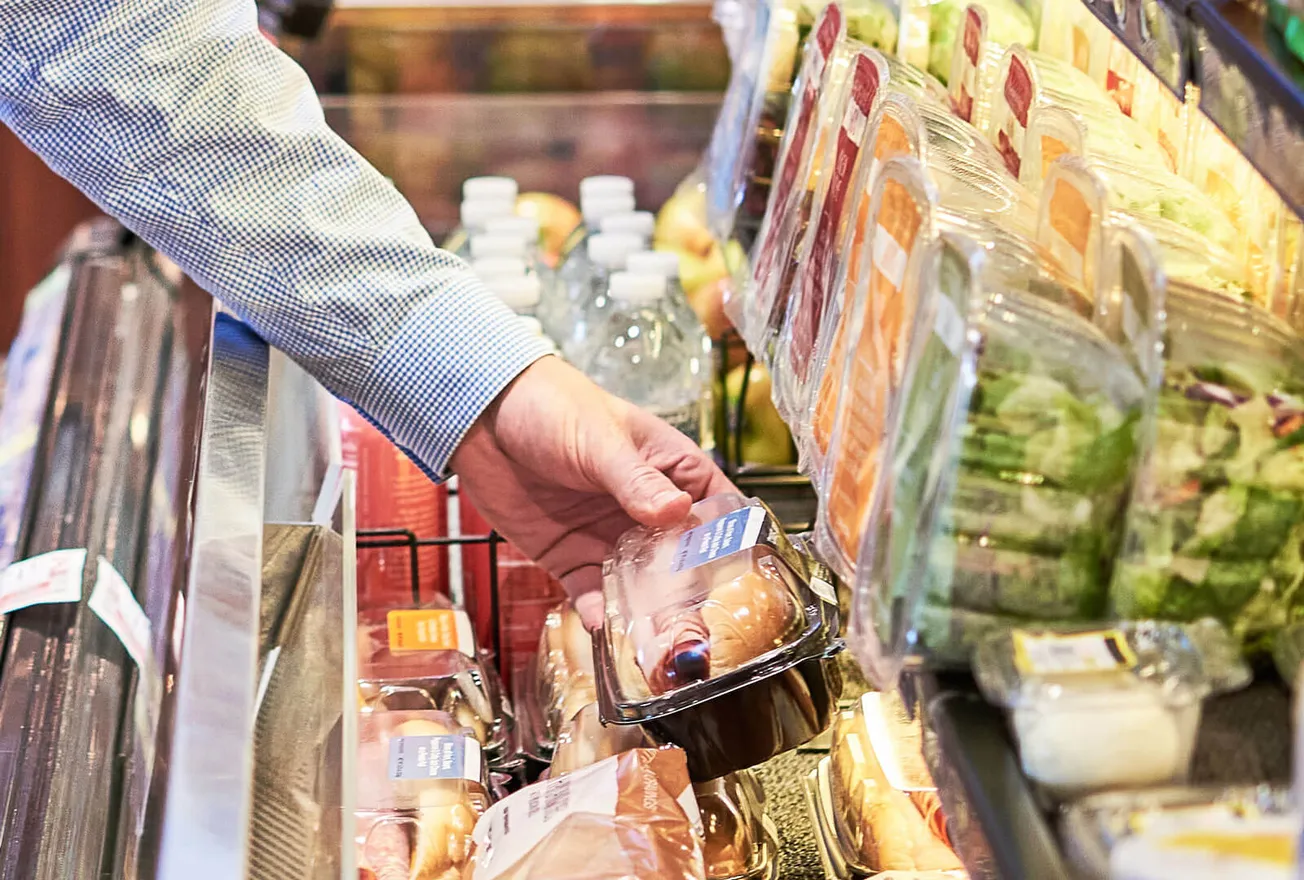
A NielsenIQ (NIQ) report shows declining cigarette and alcohol use, with rising price sensitivity, forcing convenience retailers to rethink a model based on impulse and vices.
Learn more about the RangeMe Top 50 Health & Beauty brands and more at RangeMe.com.
"U.S. households are realigning where they shop based on affordability.”

47% of consumers hesitate to buy without free returns, reducing repeat purchases and loyalty.
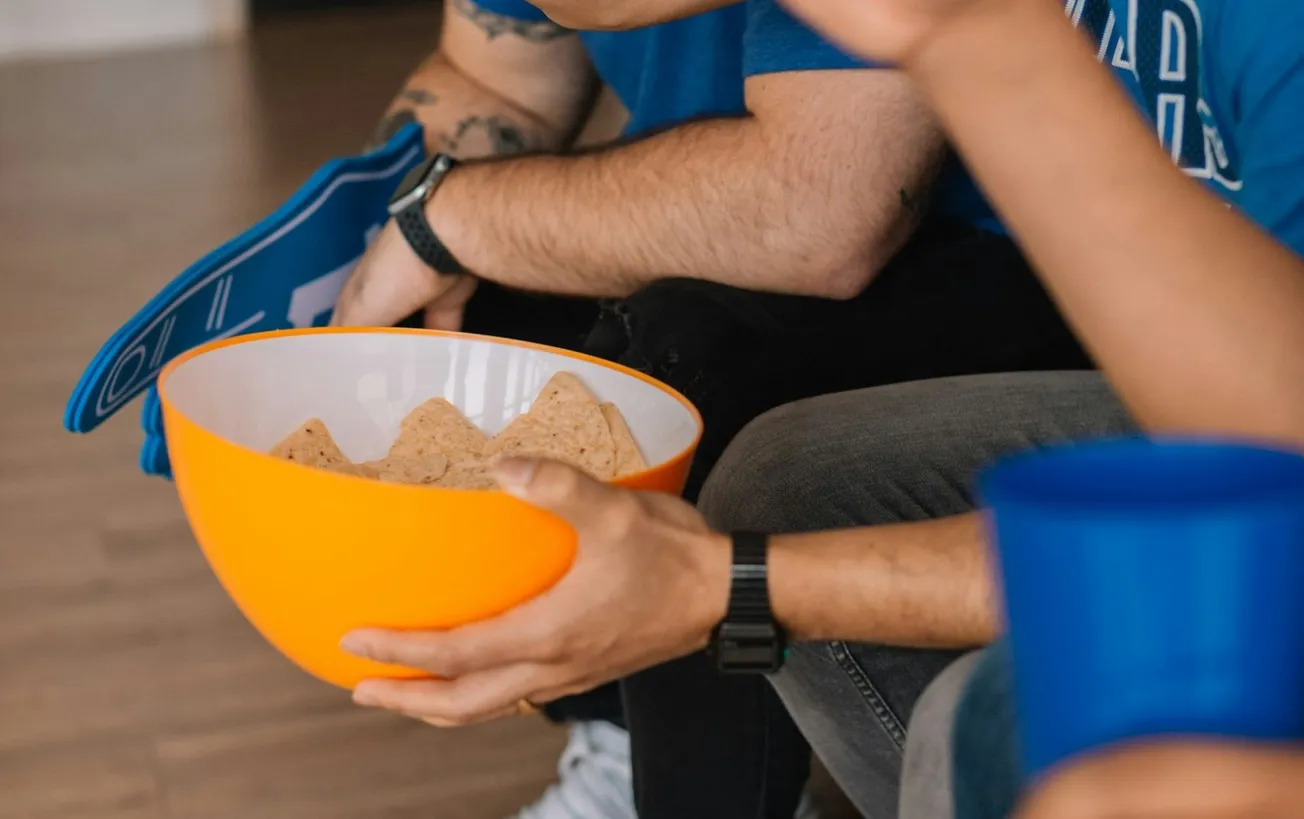
45% of consumers intend to follow both events, underscoring the significant attention on one weekend.

Brands have a significant chance in Q1 to enhance loyalty and retention as AI transforms the buyer journey, according to new Attentive surveys.

Circana reports wellness shoppers are still growing, favoring simple, multi-benefit products despite economic pressure.

Overall, retail closed 2025 with 2% dollar growth and flat unit demand across all three segments.

In the U.S., acceptance of protein supplements is increasing beyond traditional bodybuilding.

New consumer data from Vibes shows text messaging has evolved from a marketing touchpoint into a direct path to purchase for millions of shoppers.

Tim Ridgely, Paytronix VP of engineering, says advances in lightweight AI and affordable hardware enable businesses to adopt advanced tools without major infrastructure costs.

Data-driven report reveals how consumer behaviors, generational preferences, and innovations are reshaping the $93.5 billion U.S. frozen food market.