


Beverage trends 2025: Wellness and Gen Z influence, reshape the market
Consumers are embracing functional, premium products, such as probiotic sodas and flavored drink powders, that fit seamlessly into their daily routines.
Consumers are embracing functional, premium products, such as probiotic sodas and flavored drink powders, that fit seamlessly into their daily routines.
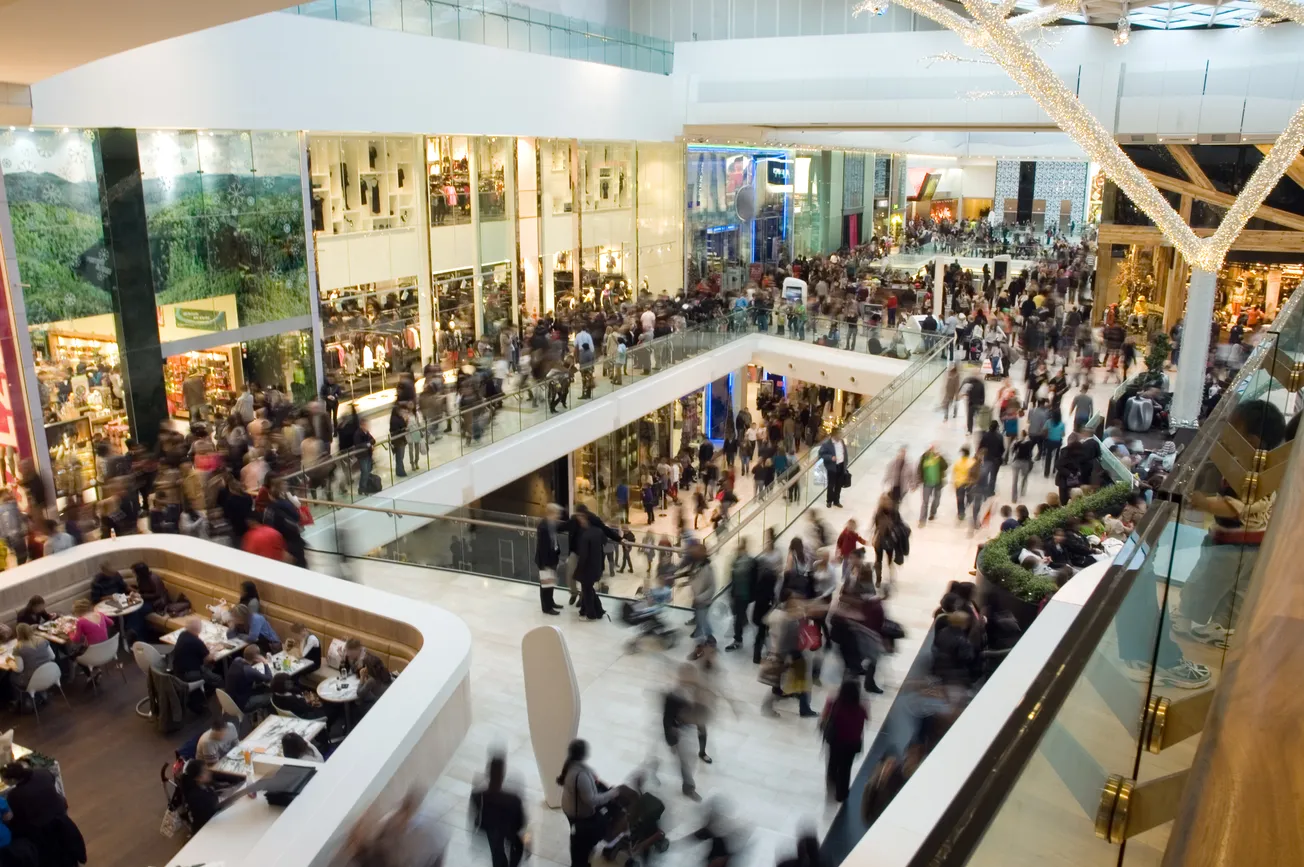
Industries such as video games, beauty, and toys experienced a noticeable surge, thanks to what Circana calls “passion purchases.”
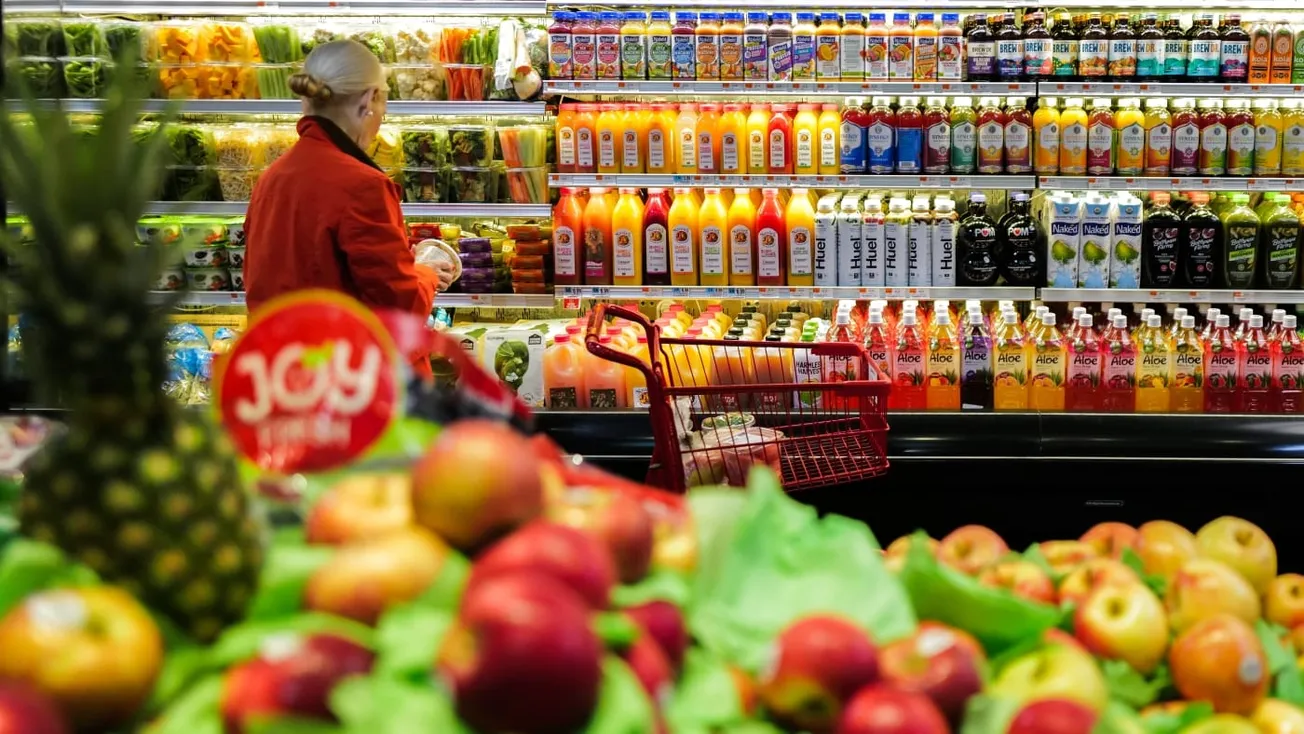
Consumers have altered their spending behavior in response to these pressures, signaling a widespread realignment in how and where they shop.

Intouch Insight’s 2025 Convenience Store Trends Report highlights rising demand for fresh meals, digital engagement, and personalized value.
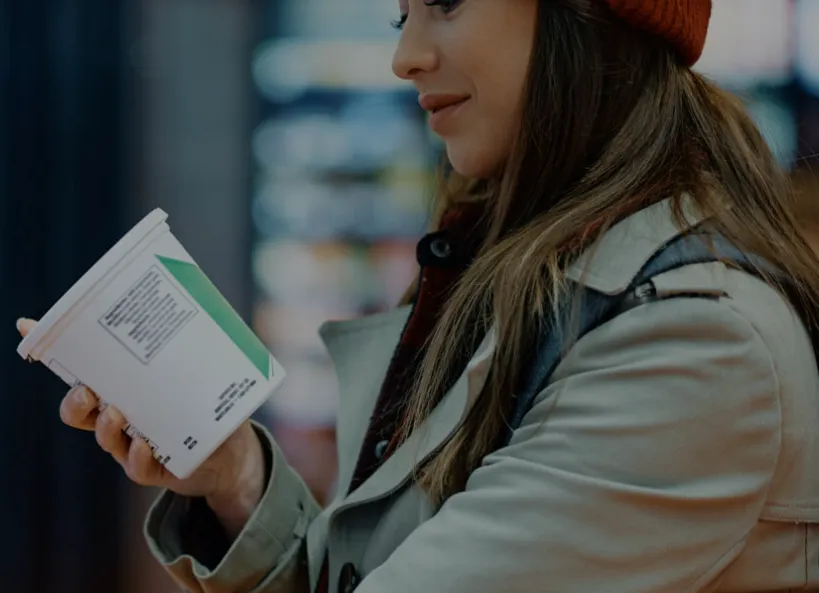
Consumers cited ingredients as a leading factor in first-time food and beverage purchases.

The rising costs tied to GLP-1 drugs are emerging as a strategic workforce issue.

Tariffs on agriculture could lead to higher grocery store prices.
Discover the RangeMe Top 50 Food & Beverage brands and more at RangeMe.com.

The study revealed that rising costs and an overload of choices are the primary stressors for mothers.
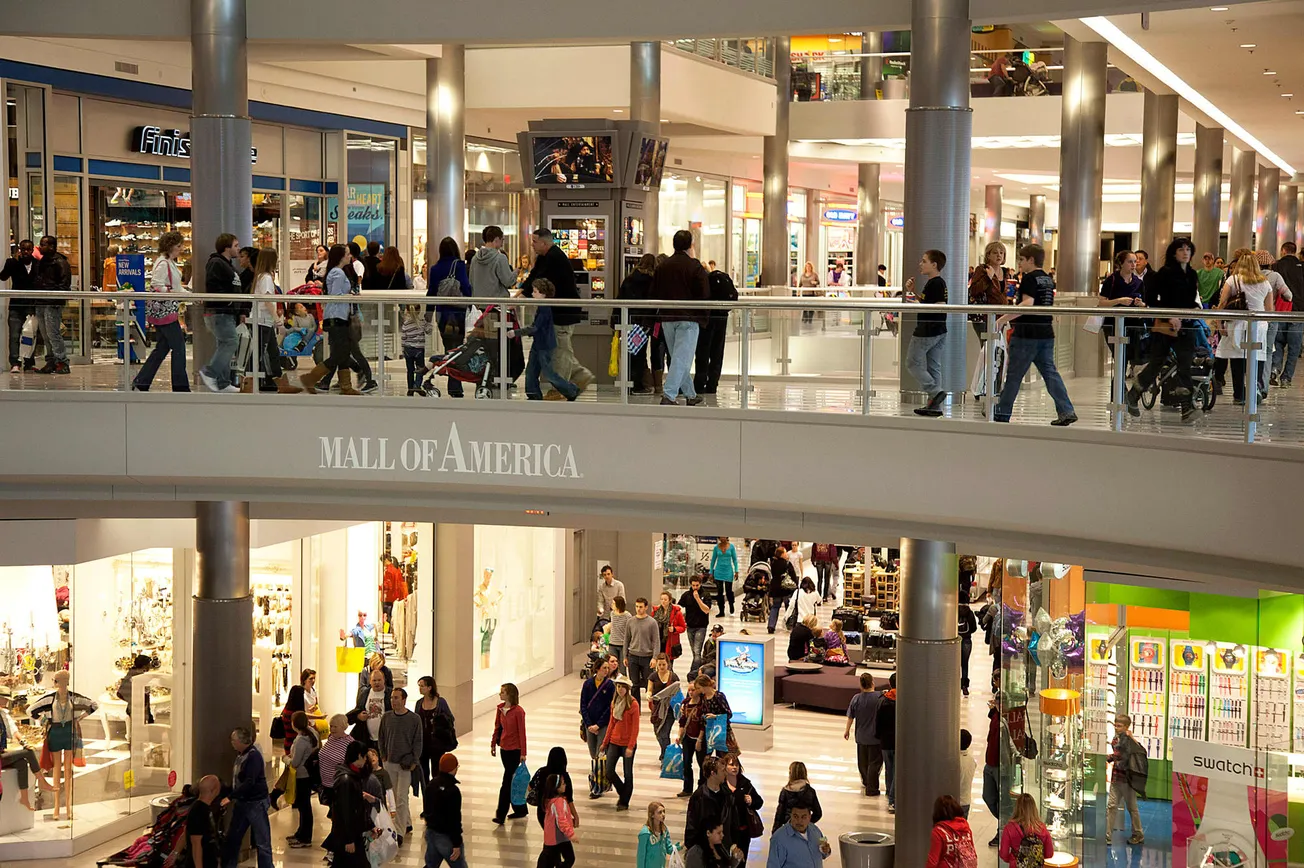
Indoor malls continued to demonstrate the strongest performance among shopping formats.

“This year, Amazon traded promotional volume for precision,” said Prashant Agrawal, CEO and Founder of Impact Analytics.

Retailers are rethinking loyalty's meaning and how programs must evolve to meet future expectations.
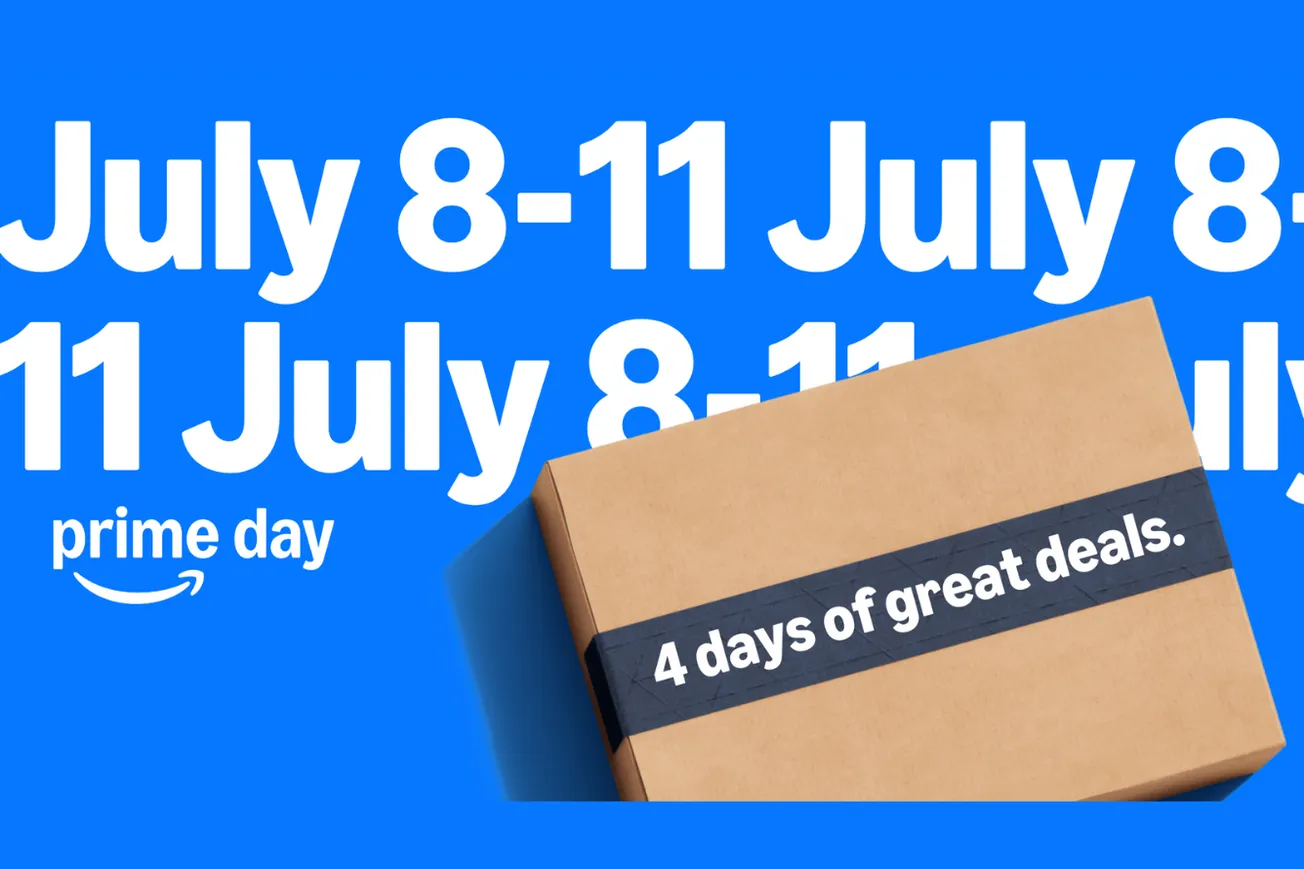
Prime Day is equivalent to two Black Fridays, according to Adobe Analytics.

Grocery stood out as a rare bright spot, with demand holding steady.

22% of Americans and 36% of Millennials are willing to go into debt for a full-scale holiday bash.

Fragmented journeys, fading loyalty, and rising trust in social platforms are reshaping how retail brands win attention.