

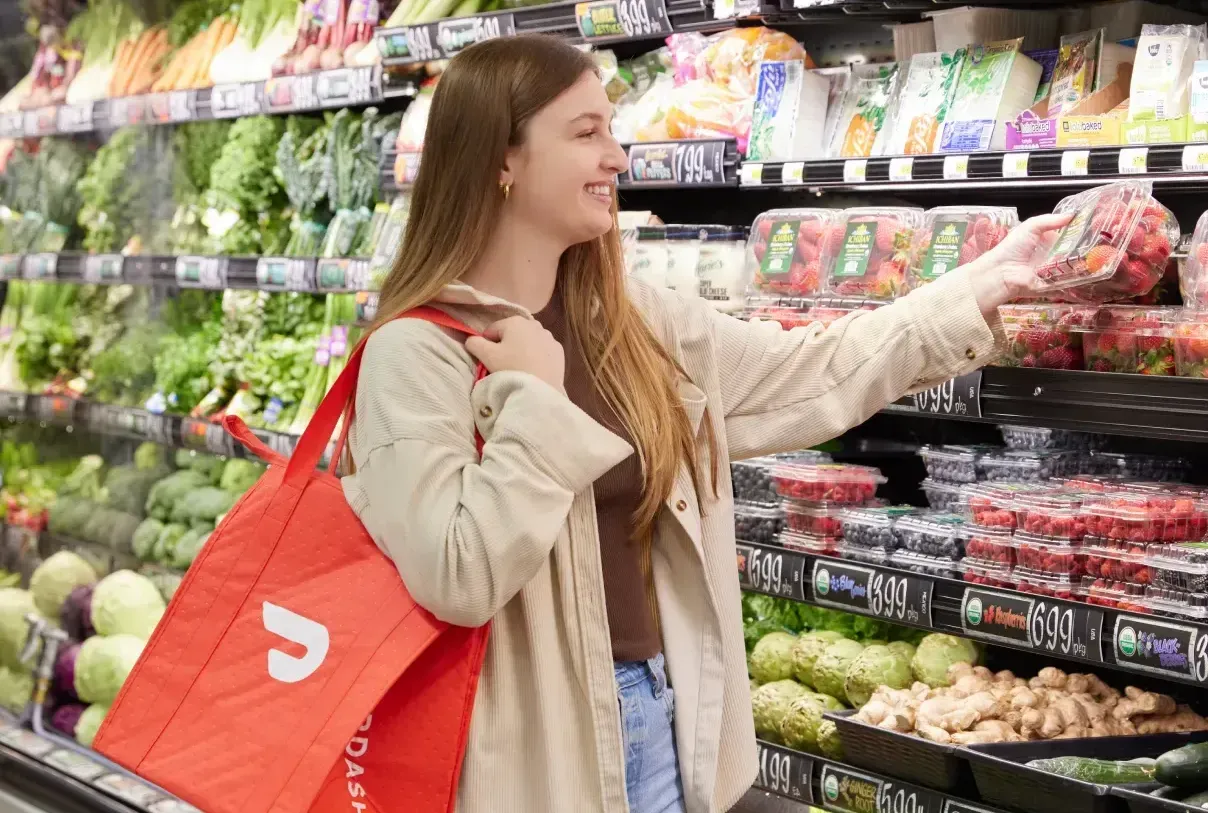
DoorDash expands food access for SNAP households
With these additions, over 50,000 stores nationwide now accept SNAP/EBT payments on DoorDash, offering more affordable grocery delivery options for SNAP-eligible consumers.
With these additions, over 50,000 stores nationwide now accept SNAP/EBT payments on DoorDash, offering more affordable grocery delivery options for SNAP-eligible consumers.
USDA guidance leaves ‘candy’ and ‘soda’ undefined, complicating compliance for c-store retailers.
While welcoming new guidance, FMI warned that language on “involuntary withdrawal” should only apply to willful noncompliance, not accidental product-coding errors.
CMS Administrator Dr. Mehmet Oz said the actions reflect a government plan to fight obesity and chronic disease.
NACS urges SNAP members to contact USDA about how new standards could affect their product choices, operations, and service to SNAP customers.
The judge found the administration’s partial funding insufficient and warned that food banks and community organizations are struggling.
Instacart offers 50% off groceries to active SNAP customers on their next order, and launches online donation drives for 300 food banks.
A federal judge ordered the Trump administration to release funds to keep food stamp payments for 42 million Americans, ruling the suspension during the shutdown was unlawful.
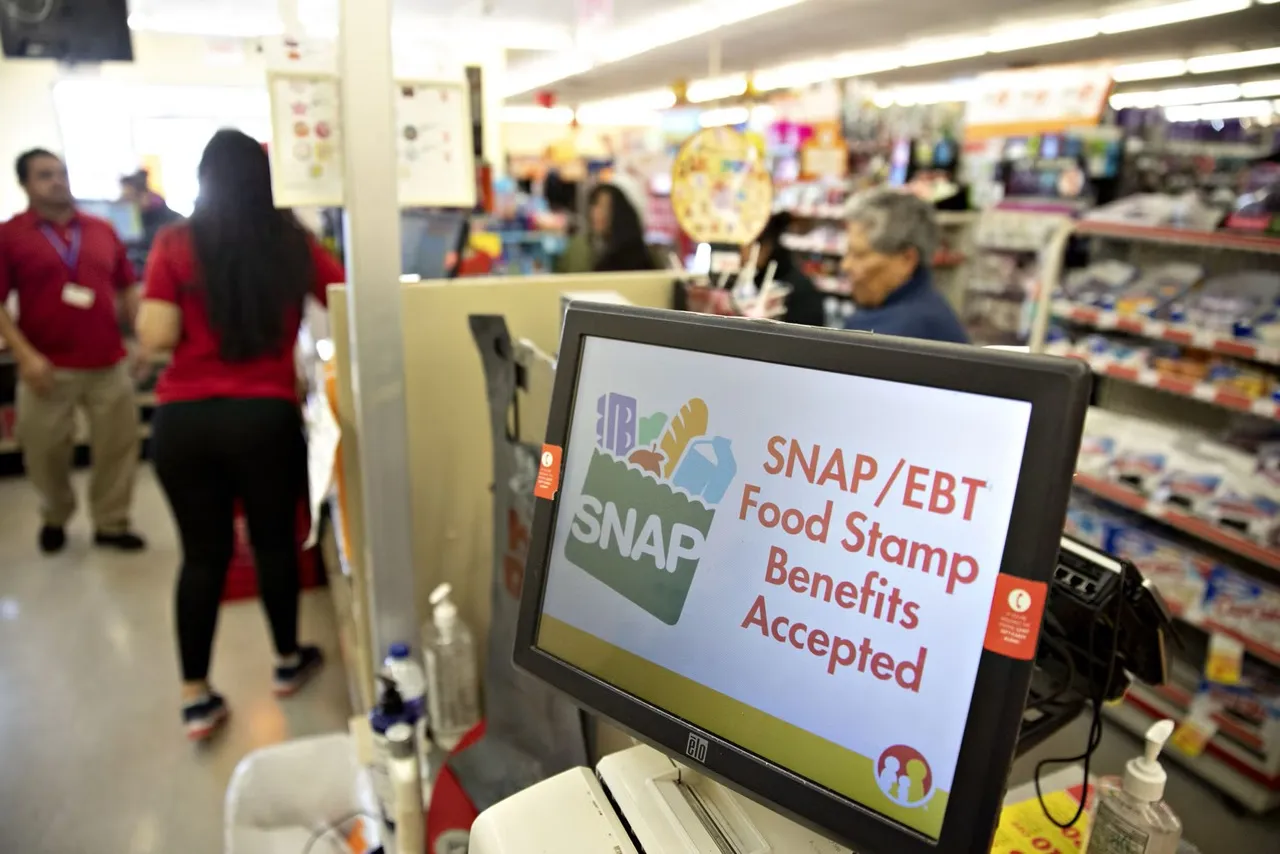
“Long-term stability for SNAP and WIC, and for vulnerable families, requires the restoration of the federal commitment to these programs.”
“A short extension would ensure FNS receives thoughtful, data-driven feedback that reflects how these proposed changes would impact stores and the customers who rely on them.”
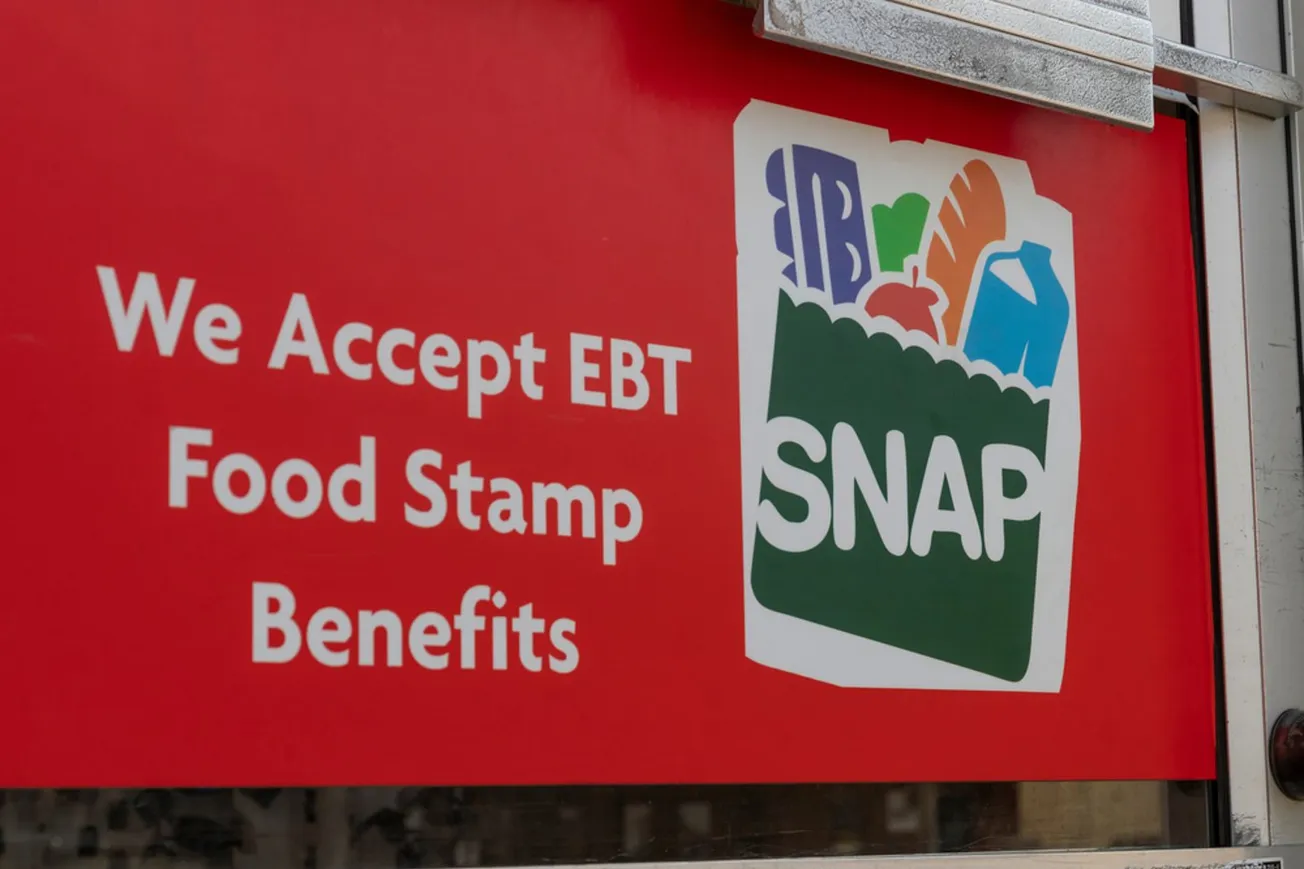
USDA confirmed that SNAP recipients can use their unspent October EBT card balances in November.

Hypercell for SNAP uses advanced machine learning to process complex eligibility documents, cut payment errors, and reduce administrative burdens.
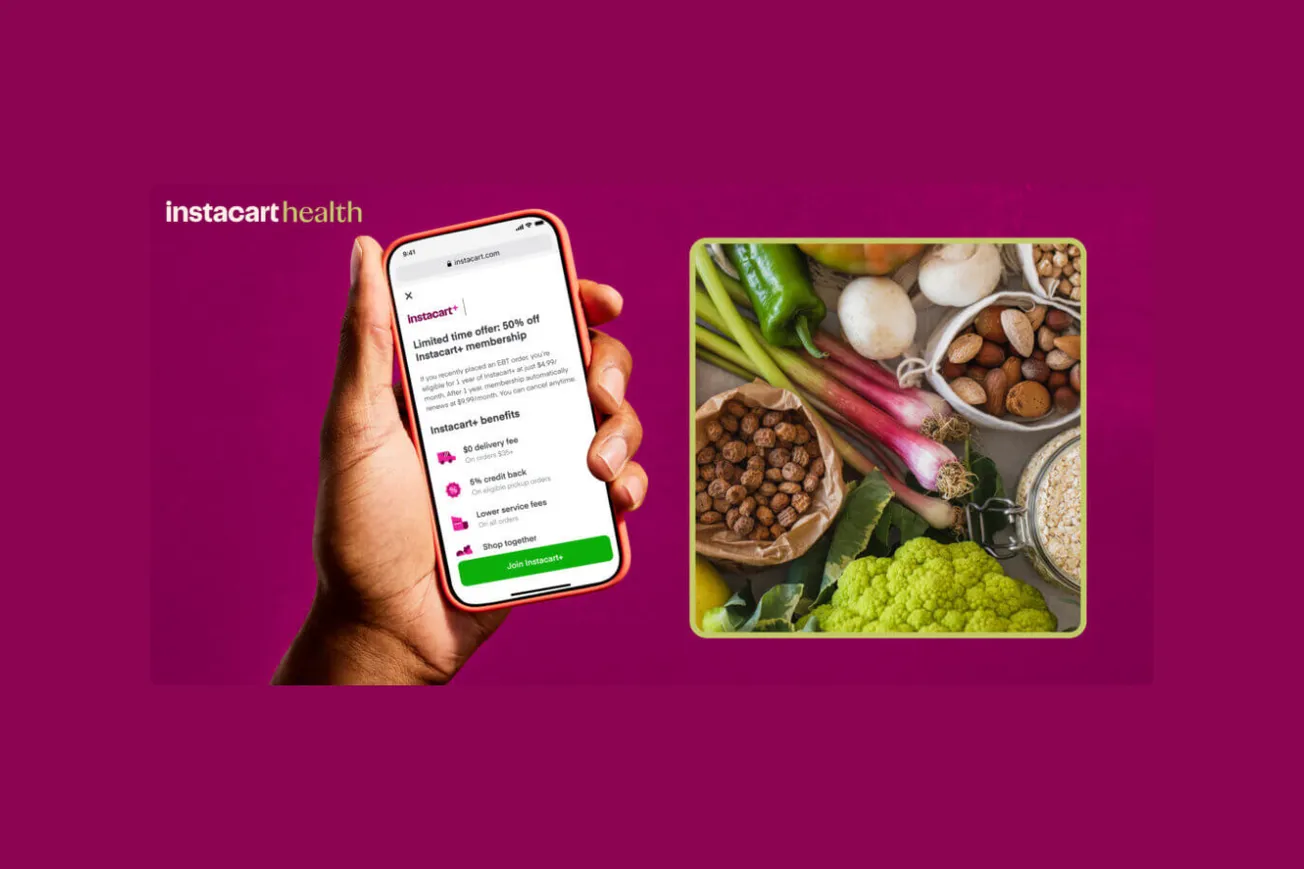
Anyone who used an EBT SNAP card to buy groceries on Instacart in the past six months can now register for Instacart+ at half price for 12 months.
FMI, NACS, and NGA say proposed rules would impose $1.6 billion in initial costs and nearly $760 million each year on retailers.
More than 1,000 retailers and trade groups are warning that new fees could drive up food costs and push stores out of the SNAP program.

Hy-Vee has now introduced a new digital experience that allows customers to pay online using SNAP/EBT for both pickup and delivery orders.