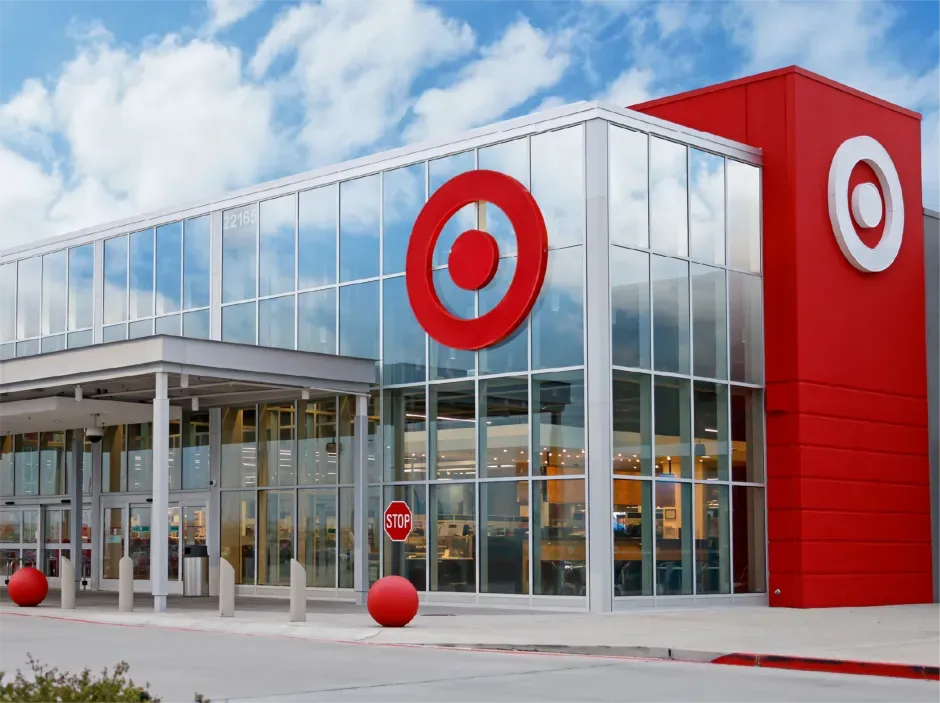

MINNEAPOLIS — Target is speeding up its delivery plan by expanding next-day parcel service to 35 of the nation’s top 60 metropolitan markets by the end of October. This will increase coverage to 54% of the U.S. population, up from 20%, and shows the retailer’s effort to narrow the gap with Amazon and Walmart.
The rollout adds 22 new cities this year, including San Diego, Orlando, and Tampa, Florida, with another 20 cities planned for 2026. Target already offers same-day delivery to over 80% of the population through Shipt, the subscription service it acquired in 2017.
Gretchen McCarthy, Target’s chief supply chain and logistics officer, said the company is shifting away from a one-size-fits-all shipping model.
“I think about us moving from this national fulfillment model to this market-based approach,” McCarthy said.
That approach includes leveraging Target’s 11 sortation centers, expanding national carrier partnerships, and relying on Shipt drivers who pick up orders directly from stores. In Chicago, a pilot program consolidated online fulfillment into fewer, higher-volume locations, which increased shipping speed while lowering the cost per item. Target now plans to replicate elements of that strategy in 30 to 40 more markets.
Competitive pressure
Amazon, which expanded its same-day delivery network by more than 60% in 2024, now serves over 140 metro areas for Prime members. Walmart has also doubled down on speed: it delivered 7.1 billion units via same-day or next-day service in the past year and says it reaches 95% of the U.S. population with next-day or two-day shipping. Last month, Walmart added next-day delivery for marketplace items in major hubs including Los Angeles, Chicago, Houston and Atlanta.
Target’s 1,900-store footprint remains a strategic differentiator, giving it the ability to blend digital and physical fulfillment. Yet the company has faced operational challenges since the pandemic, when in-store staff were stretched between shoppers and online order fulfillment.
Store growth and earnings backdrop
While investing in delivery, Target is also expanding its physical presence. The company will open seven new stores this fall across Arizona, California, Florida, Nebraska, South Carolina, Texas and Virginia. Six of the locations exceed Target’s 125,000-square-foot average, underscoring the pivot to larger formats that can serve as both shopping destinations and fulfillment hubs.
Financially, Target remains under pressure. For the quarter ended August 2, net sales fell 0.9% year-over-year to $25.2 billion, while comparable sales declined 1.9%. Digital sales grew 4.3%, bolstered by same-day services, and non-retail revenue surged 14.2% due to the strength of its Roundel advertising unit and membership programs. Gross margin narrowed to 29% from 30% a year ago, but earnings per share of $2.05 came in above analyst expectations.
Despite reaffirming its full-year outlook, Target shares are down more than 20% this year and about 60% from their 2021 peak.