
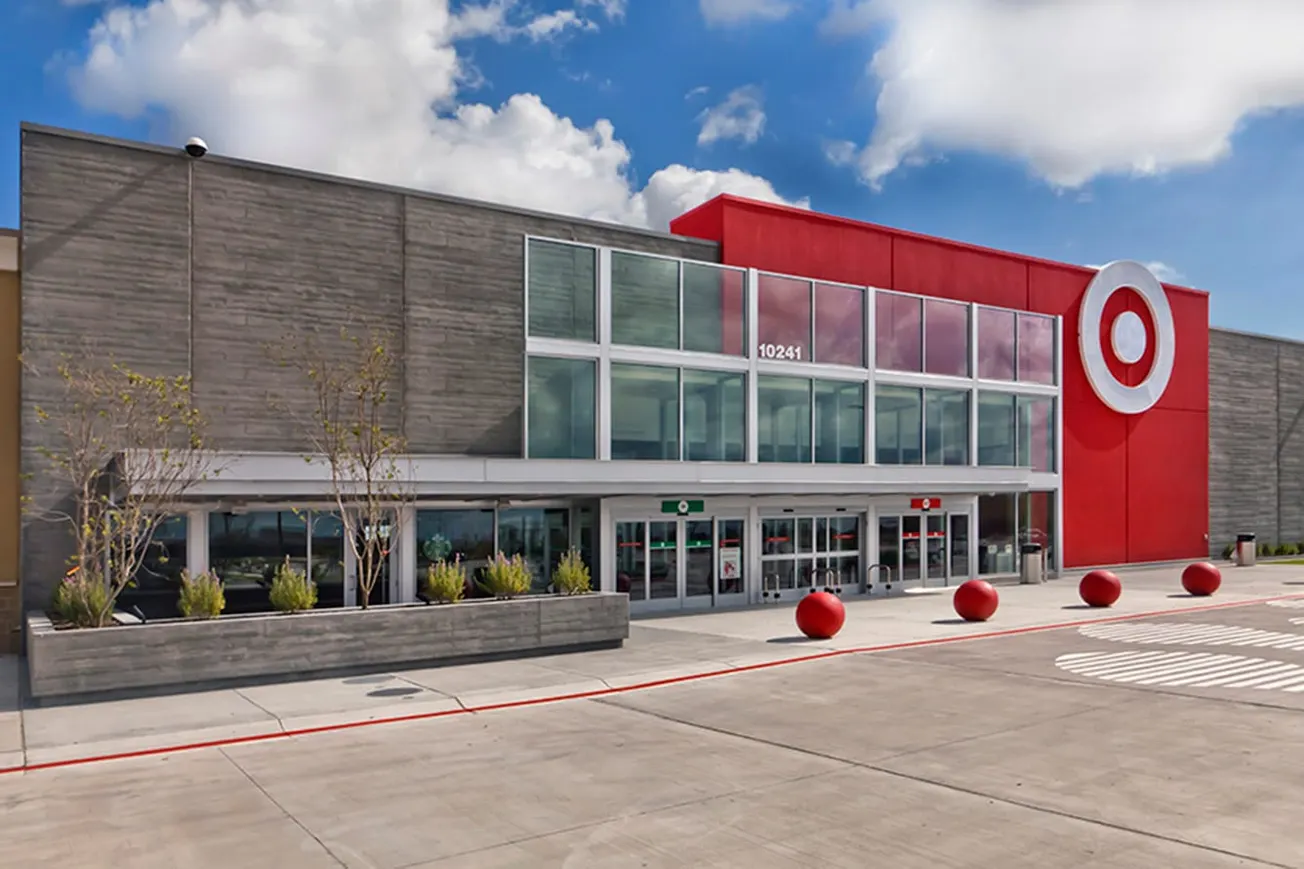
MINNEAPOLIS — Target Corp. reported its strongest quarterly sales growth in about five years, as a refreshed product lineup, expanded same-day delivery and price cuts brought back shoppers feeling the squeeze of inflation. The retailer raised its full-year sales and earnings outlook for the second time this year.
Net sales rose 7.1% to $27.1 billion in the three months ended Oct. 31, topping Wall Street expectations. It was the company's strongest performance since the fourth quarter of 2021. Comparable sales, which measure stores and digital channels open for at least a year, increased 5.6%, driven by a 5% rise in customer traffic.
Earnings were $2.65 a share on both a reported and adjusted basis, compared with GAAP earnings of $1.51 and adjusted earnings of $1.78 a year earlier. The latest quarter included $301 million in pretax tariff refunds, adding $228 million to net income, or 50 cents a share.
Excluding those refunds, GAAP earnings per share would have risen 42%, while adjusted earnings would have climbed 21%. Shares were essentially unchanged before the opening bell Wednesday.
"Our investments are building on one another — creating momentum in our business and further defining our unique lane in retail," said Chief Executive Michael Fiddelke. The 20-year company veteran took the top job in February.
Shoppers spent more both in stores and online. Comparable store sales rose 4.6%, while comparable digital sales jumped 9.8%. Sales increased in each month of the quarter, reaching a peak during the back-to-school and back-to-college season.
Most of Target's six core merchandise categories posted gains. The strongest growth came from “Fun 101”—the company's label for electronics, gaming, sporting goods, toys, trading cards, and collectibles—with sales surging nearly 27%. Beauty sales rose more than 9%, and food and beverage sales grew nearly 7%.
Fiddelke told reporters this week that no single category or initiative was driving the momentum. He said business had picked up across Target's markets and among shoppers at every income level.
Non-merchandise revenue was another bright spot, increasing 19.3%. Target attributed the growth to Roundel, its advertising business, as well as profit sharing on its Target Circle Card, Target Circle 360 membership fees and its Target+ online marketplace.
The comparison was favorable. The 5.6% comparable-sales gain followed a 2.7% decline in the same period a year earlier. Still, Target said sales and traffic growth accelerated on a two-year basis compared with the first half of 2026. It marked the third consecutive quarter of comparable-sales growth, after increases of 5.6% in the first quarter and 3.8% in the second.
Operating income nearly doubled to $1.7 billion, from $0.9 billion on a GAAP basis a year earlier ($1.1 billion adjusted). The operating margin increased to 6.2% from 3.8% (4.4% adjusted). Tariff refunds contributed 1.1 percentage points to the current-quarter margin.
Gross margin expanded 2.3 percentage points to 30.5%. Excluding the refunds, the gain was about 1.2 points. Target cited easier comparisons with last year's steep markdowns and higher tariff rates, growth in higher-margin non-merchandise revenue, and productivity gains at its supply-chain facilities. Higher freight and fuel costs, continued price investments and a less favorable category mix partly offset those benefits.
Selling, general and administrative expenses remained at 21.9% of sales, matching last year's reported rate but above the adjusted 21.3%. The company cited higher incentive pay, additional store labor hours and spending on new and existing stores.
Below the operating line, net interest expense declined to $95 million from $115 million, reflecting higher interest income. The effective tax rate increased to 23.9% from 19.8%, due to larger tax benefits a year earlier and higher pretax profit.
Target now expects full-year net sales to increase about 6%, one percentage point above its previous forecast. It projects an operating margin of about 6.2%, including roughly 1.1 percentage points from tariff refunds recorded so far.
The company raised its earnings forecast to $10.65 to $11.40 a share. The range includes about $2.14 a share in tariff refunds recognized to date. Target said November sales so far are in line with its guidance and have accelerated from October's pace.
For the holidays, the retailer is emphasizing novelty and value. It plans to offer more than 8,000 new gift items, over half exclusive to Target and thousands priced at $5 or less. It is also introducing AI-powered shopping tools, a $30 Thanksgiving meal for six, and early Black Friday deals and daily discounts through Dec. 24.
"As we head into the all-important holiday season, we're focused on offering the best of Target to our guests," Fiddelke said.
Capital spending increased to $1.4 billion in the quarter, up $400 million from a year earlier, mainly for new and remodeled stores. Encouraged by the returns, Target expects to invest $5 billion to $6 billion in 2027.
The company paid $527 million in dividends, up from $518 million, following a 1.8% increase in the per-share payout. It repurchased $251 million of stock, retiring 1.6 million shares at an average price of $155.49 each, and has about $8 billion remaining under its 2021 buyback authorization. After-tax return on invested capital rose to 16.5% for the trailing 12 months, from 13.4% a year earlier.
Submit Your Press Release
Have news to share? Send us your press releases and announcements.
Send Press Release