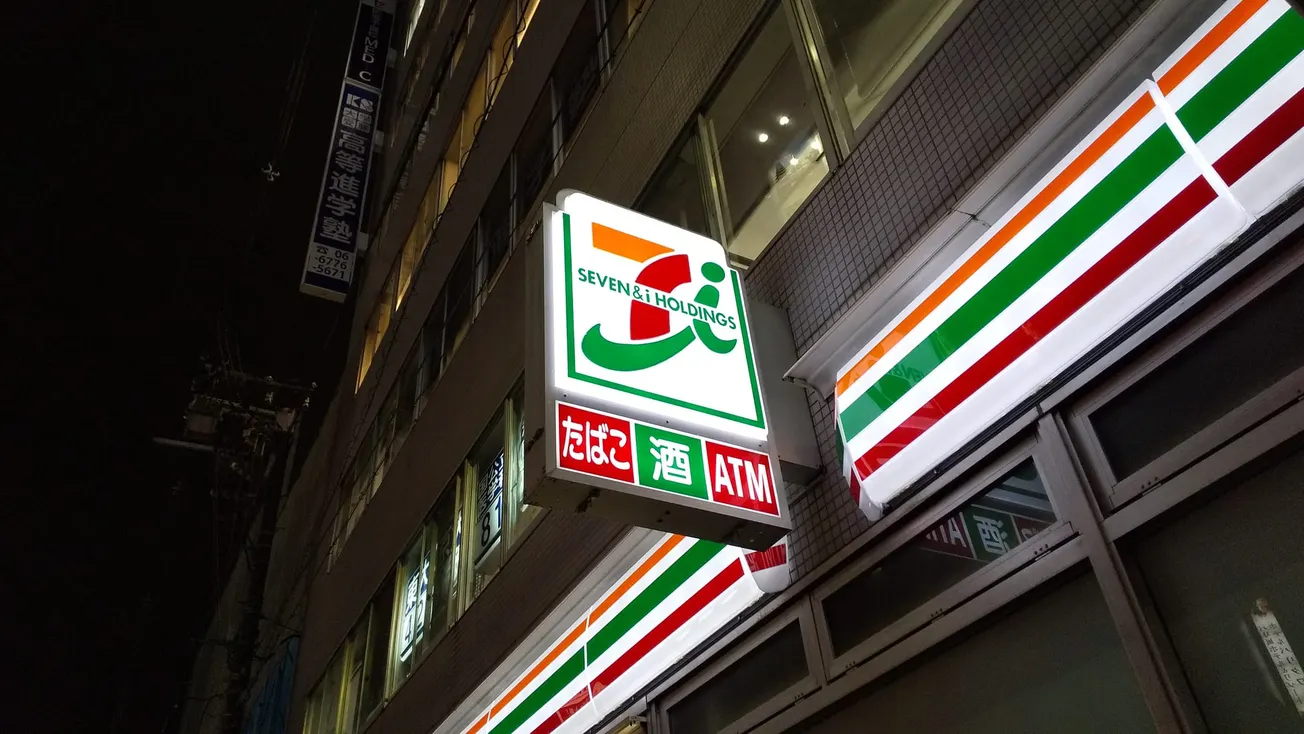


IRVING, Texas — 7-Eleven is set to close hundreds of convenience stores across North America this year, a move that reflects both company-specific portfolio optimization and a broader structural shift in the c-store sector.
| Click here for our complete C-store coverage |
Parent company Seven & i Holdings said it expects to close about 645 locations during fiscal 2026, which runs from March 1, 2026, to Feb. 28, 2027. The total includes stores that will be shuttered outright as well as sites being converted into wholesale fuel locations, which are not counted in the company’s retail store base.
The closures come as the company continues to recalibrate its footprint ahead of a planned North American IPO, now expected in 2027. This follows a multi-year trend in which 7-Eleven has closed more stores than it has opened.
 Thorvardur de Shong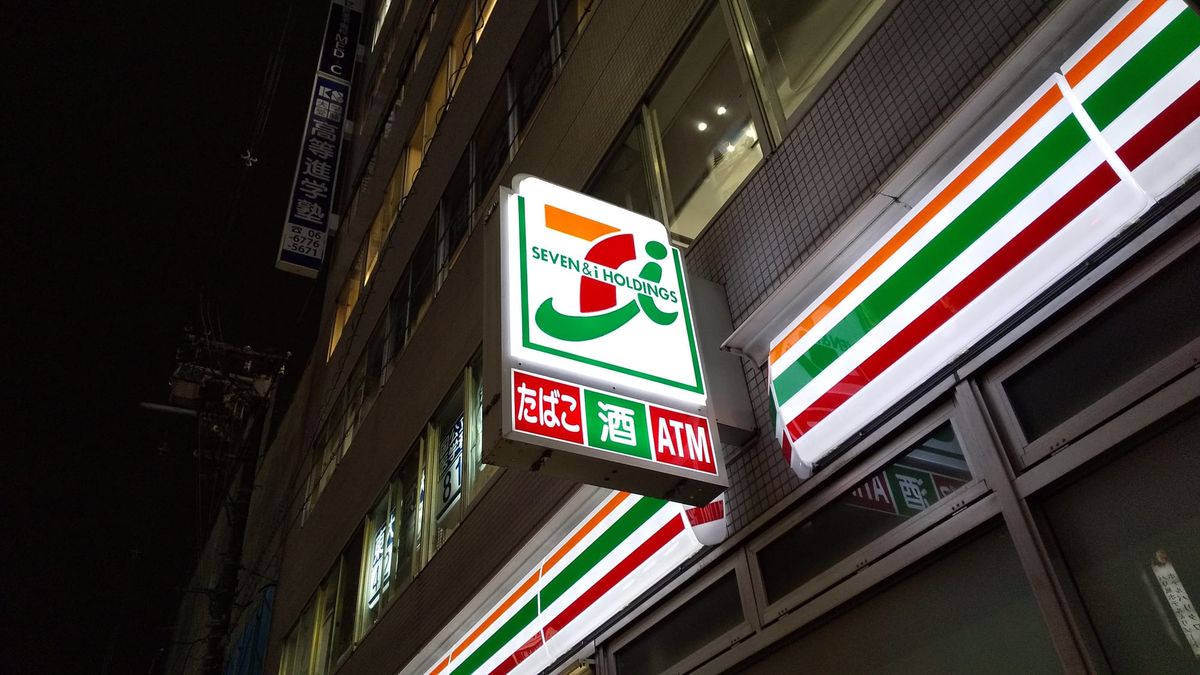
At the same time, the retailer plans to open more than 200 new locations in North America, largely focused on larger-format stores with expanded foodservice capabilities.
A transformation, not a retrenchment
The strategy highlights a fundamental shift in how convenience stores compete.
While fuel and tobacco remain core traffic drivers across the industry’s more than 150,000 U.S. locations, growth is increasingly tied to food, beverages, and the in-store experience. According to NIQ’s State of Convenience report, higher-quality prepared foods and expanded assortments are driving performance across the sector. The National Association of Convenience Stores has likewise reported double-digit growth in prepared food sales, with the category up 12% year over year in its latest industry analysis.
That evolution has forced operators to rethink legacy store formats.
“Fuel can still attract customers, but it no longer drives growth on its own,” as industry analysis has increasingly shown. Instead, competition is shifting inside the store, where retailers are investing in foodservice, digital integration and higher-margin categories.
Chains such as Wawa and Sheetz have led that transition, building destination-oriented formats centered on made-to-order food, premium beverages and upgraded store environments.
Portfolio optimization gains urgency
Against that backdrop, 7-Eleven’s closures are less about contraction and more about repositioning.
The company has been actively pruning underperforming locations for several years. It closed roughly 444 stores across the U.S. and Canada in 2024, representing about 3% of its North American footprint of more than 13,000 locations, with additional closures continuing through 2025.
The latest round of closures extends that effort, with fiscal 2026 marking the fifth consecutive year the company has closed more stores than it has opened.
In parallel, 7-Eleven is introducing a new layer to its strategy by converting some company-operated sites into wholesale fuel locations. This approach allows the retailer to reduce operating costs while continuing to generate revenue from fuel sales through third-party operators, a model that has gained traction elsewhere in the industry.
Aligning the fleet with future demand
Ultimately, the changes reflect a broader redefinition of what a convenience store is.
Where traditional formats focused on speed and proximity, the emerging model blends convenience with foodservice, grocery and digital engagement. For 7-Eleven, that means investing in stores that can support expanded menus, higher throughput and stronger margins while exiting locations that no longer fit that profile.
As the company prepares for its IPO and navigates a shifting consumer landscape, its store portfolio is being reshaped accordingly.
The takeaway for the broader c-store channel is clear: growth is no longer tied solely to unit count, but to the quality, format and economic performance of each location.
Submit Your Press Release
Have news to share? Send us your press releases and announcements.
Send Press Release