
By Thom Blischok
Have you ever noticed how the neighborhood grocery store down the block feels so much more personal than the big-box chains? That warm “hello” as you walk in, the familiar faces behind the counter, and the locally grown apples or handcrafted cheeses the shopper cannot find anywhere else — all of this adds up to an experience that is hard for retailers with thousands of locations to match. For independent grocers today, leaning into these very strengths — local community ties, one-on-one services throughout the store focused on enhancing the shopper’s experience, and carefully chosen products — while embracing smart, user-friendly technology, is the secret sauce for long-term independent grocer success.

Why hyper-local matters more than ever
When an independent grocer focuses on what mega-retailers cannot replicate at scale, they create genuine reasons for shoppers to keep coming back. In recent times, consumers are craving authentic connections and experiences — especially when it comes to the food brought to the table. Increasingly, shoppers want to know exactly where the vegetables were grown, whether the grains in the bread were raised sustainably, and how each ingredient contributes to personal and family health and wellness goals. With the ongoing focus of “better-for-you-and-your-family” foods, shoppers are growing less content with anonymous labels or corporate slickness; in many cases, shoppers would relish the chance to meet local farmers, hear their stories and understand the care they poured into every harvest. Imagine popping by a farmers’ market sponsored by a local grocer on a sunny Saturday morning, chatting with the farmers who tend the trees, fields or pastures, and watching your family’s fresh shopping basket come to life. That hands-on experience transforms a simple purchase into a shared journey — one where the shopper feels valued, informed and part of something much more personal than a one-time sale. Successful independent grocers build communities that celebrate transparency, support small producers, and place the shopper’s experience and well-being front and center. At the independent grocer, food shopping is not just buying; it is a bridge between the farmer, the grocer, the community and the land that nourishes. Winning independent grocers capitalize on hyper-local capabilities.
Future-forward strategies for independent grocery stores
• Leveraging community and personalization — In an era of mega-supermarkets and one-size-fits-all loyalty programs, independent grocers are reclaiming retail’s heart by turning aisles into gathering places and transactions into conversations. By weaving community relationships and events, locally sourced products, and personalized service into every strategy, these stores are not only winning customer loyalty — they are redefining what it means to shop for groceries. How they are doing that:
• Celebrating and highlighting the local roots of the community they operate in — Put a spotlight on nearby farms, bakeries and artisans. Share their stories on shelf tags, social media or in-store events. When shoppers see the independent grocer as a true champion of the neighborhood, it deepens trust and gives the local retail brand a personality that corporate chains simply cannot offer.
• Curating with intention — Large retailers chase broad appeal; as an independent grocer, focus on that perfect heirloom tomato, the small-batch chocolate maker or the specialty dessert maker down the street. Customers who crave specialty items or organic options will gravitate to the shelves because they know every offering has been handpicked.
• Making every shopping experience personal — Simple digital tools can help an independent grocer track purchase patterns (with consent, of course) and send personalized coupons or recipe ideas. Imagine texting a regular shopper a deal on their favorite cheese just before the weekend — those little touches show you are paying attention.
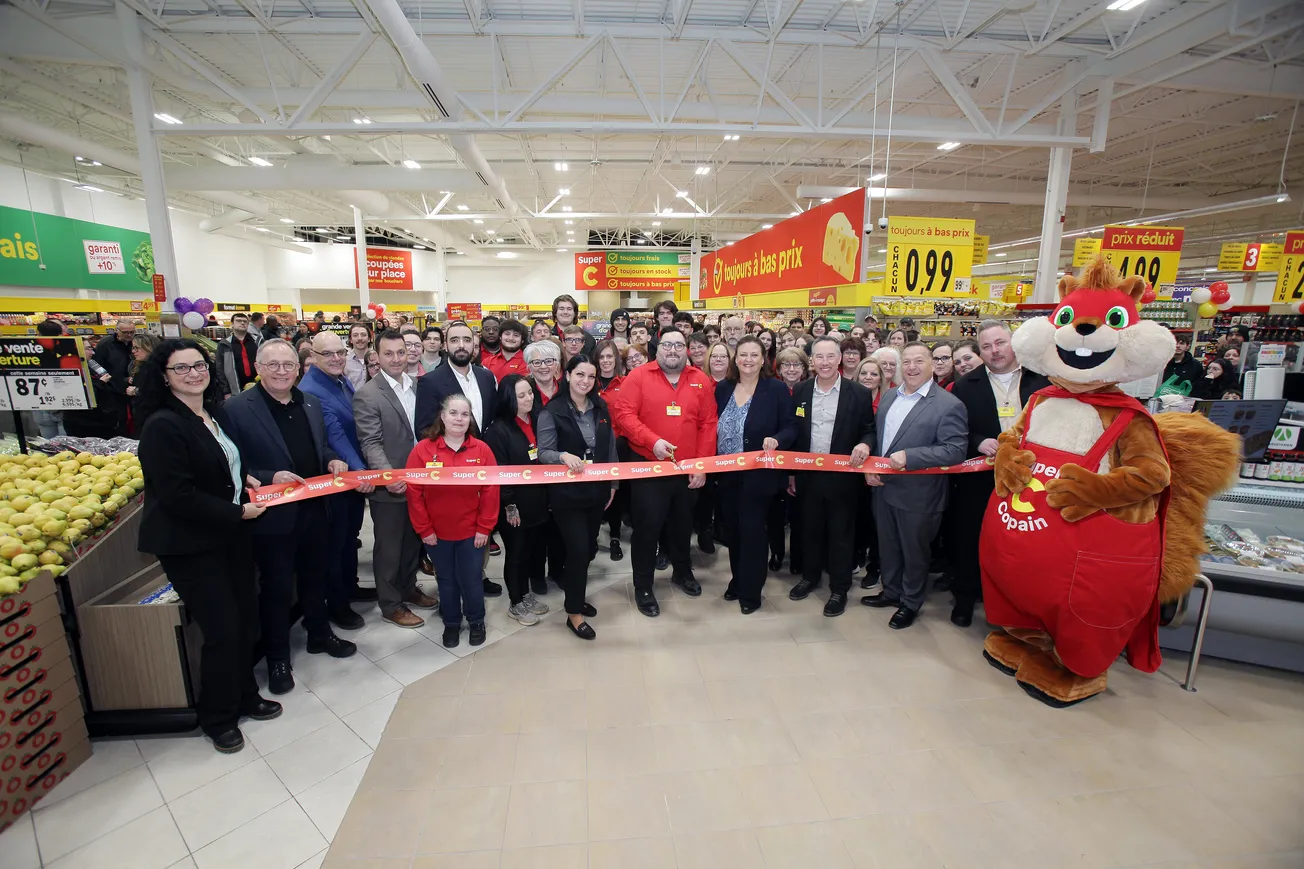
• Hosting neighborhood happenings — From pop-up farmers’ markets and cooking demos to taste-test evenings with local brewers or wine makers, these gatherings turn the independent grocery store into a community hub. People come for the product and stay for the camaraderie — an enormously powerful differentiator.
• Adopting accessible technologies — so independent grocers can focus on shoppers and associates rather than code. Many of today’s digital platforms are built for businesses of any size, offering plug-and-play simplicity. Several examples include:
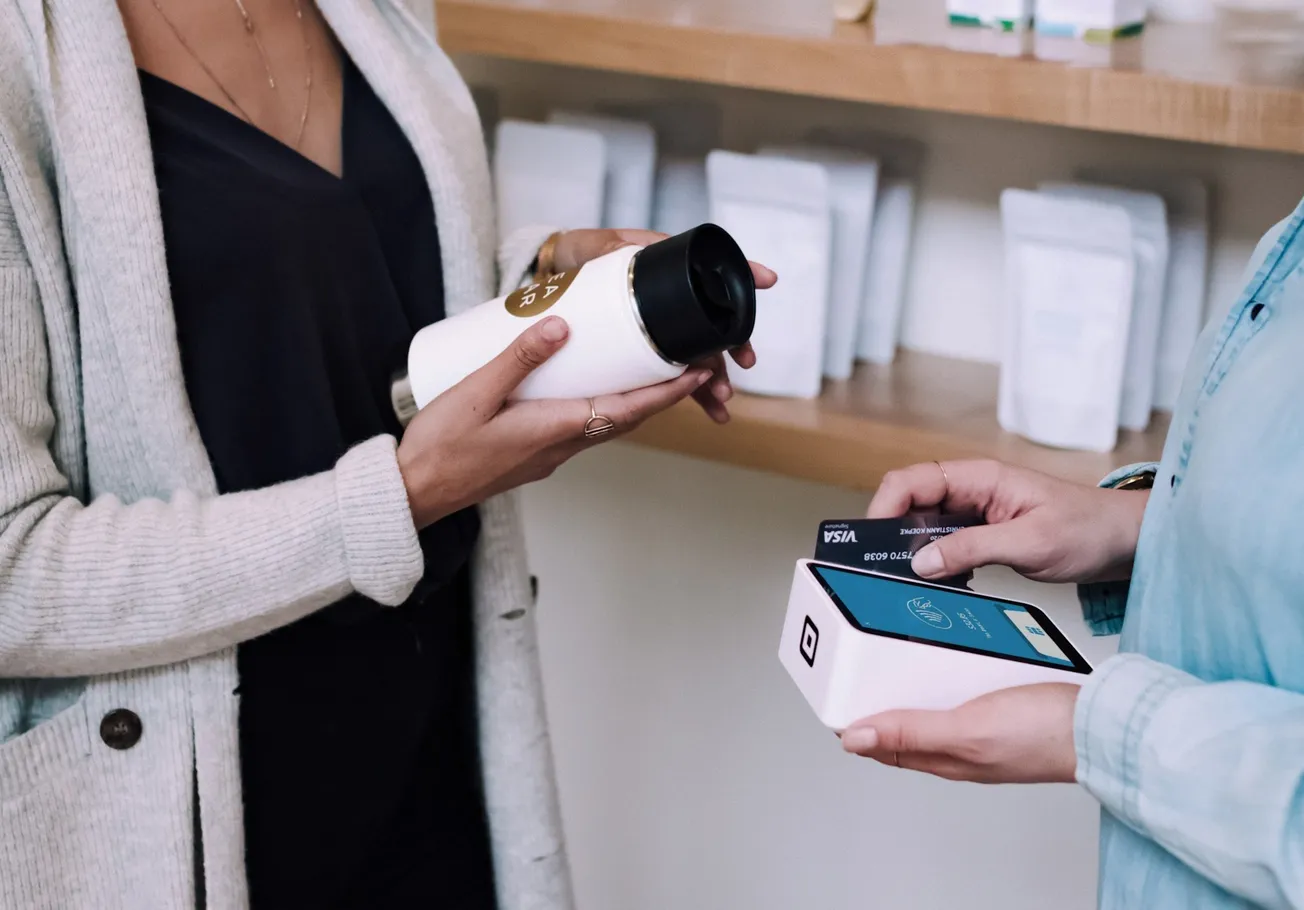
• Consider unified commerce platforms. Look for systems that seamlessly blend online ordering, loyalty programs and in-store checkout. This allows a customer to reserve fresh fish on your website and pick it up an hour later without a hitch.
• Implement hybrid shopping experiences. . Curbside pickup, in-store lockers or same-day local delivery options provide customers convenience without forcing the independent grocers to compete with Amazon-level logistics. — curbside pickup, in-store lockers or same-day local delivery options. These options also let independent grocers maintain personal touches by fulfilling orders and building relationships at pickup.
• Selectively prioritize AI-driven operations. Artificial intelligence is not just science fiction anymore — it is affordable, and it can revolutionize store operations, merchandising, supply chain and back-office functions. Focus on technology investments that enhance shopper experience and hyper-localization.
• Expanding the business model — To boost revenue and keep pace with evolving consumer habits, consider branching into adjacent offerings:
• Private label products. Develop your own line of staples — flour, coffee, sauces — under your store’s brand. It is a fantastic way to control quality, capture higher margins and offer shoppers budget-friendly alternatives.
• Ready-to-eat solutions. Busy families and professionals love grab-and-go meal kits, fresh salads or artisanal sandwiches. These higher-margin items also reinforce your image as a full-service food destination.
• Increasing brand promise transparency and trust — In a world where people question big-business motives, openness is a powerful differentiator. Clearly explain how items are priced, where they are sourced and what sustainability practices you follow. Whether using a QR code linking to a farm profile or signage about waste-reduction efforts, transparency reassures shoppers that your brand promise values align with theirs.
Looking ahead
Independent grocers are more than retail outlets — they are storytellers, stewards of local traditions and gathering spots that knit communities together. By doubling down on neighborhood connections, expanded offerings and smart technology, grocers can guard against the one-size-fits-all approach of large chains. So next time you wonder how to keep the doors open and aisles buzzing, remember: Your local edge is your strongest asset. Embrace it, enrich it and watch your store continue to be the community’s heart.
Thom Blischok is chairman and chief executive officer of the Dialogic Group LLC.