

By Thom Blischok
In 2026, the retail industry is projected to undergo a significant structural transformation, transitioning from an emphasis on volume and margins to a sophisticated, data- and analytics-driven ecosystem. This shift is primarily fueled by moving away from reactive technologies, those that respond to past data, toward agentic and predictive systems that autonomously make or improve decisions and anticipate future needs.
The Rise of Agentic Commerce
By 2026, technology will shift from aiding humans to acting on their behalf. Customer AI Agents will make brand-independent purchase decisions based on materials, durability and sizing, not branding. Retailers will replace reactive personalization with predictive engines that analyze real-time data, such as weather and events, to forecast customer intent. Agentic AI workflows will autonomously manage pricing, inventory and promotions, making merchandising a real-time, adaptive system.
Physical stores will become high-tech “experience hubs,” with associates equipped with AI copilots via wearable devices for instant info and advice. Practical AR will enable virtual try-ons, 3D visualizations, and brand layers showing product journeys. Edge computing will process data in real time, alerting staff and triggering restocking. The traditional omnichannel approach will evolve into a seamless, unified model. Retailers will use “single source of truth” data platforms integrating POS, order management and e-commerce, reducing silos. Supply chains will become dynamic “webs” powered by AI, rerouting orders and shifting suppliers for resilience.
Retailers will expand micro-fulfillment centers and use autonomous last-mile robots for same-day pickup and fast delivery. Technology will broaden the definition of retail to include media and sustainability. Stores will serve as advertising platforms, using first-party data for targeted ads. AI will provide real-time carbon and sourcing info at the point of sale to meet Gen Z demands.
Changing Consumer Behavior
In 2026, grocery consumer behavior shifts towards high technology and simplicity. Amid economic fluctuations, shoppers use AI for health and finances, demanding authentic, transparent food. Focus is on functional, outcome-oriented eating, with social media discussing fiber more than protein. People seek gut-health foods every day, including fiber-enriched products like pasta and sodas. The GLP-1 lifestyle involves taking anti-obesity medications, changing shopping habits, cutting calories, and avoiding ultra-processed snacks in favor of high-protein, nutrient-rich foods. Traditional fats like beef tallow are rediscovered for natural cooking.
Emphasis is on value and on expanding private label options. Retailers adapt as consumer perceptions evolve; 77% often buy generic brands, viewing them as high quality. Packaging is more appealing, transforming the look of canned seafood displays. Frozen foods are more upscale, with interest in global cuisines using premium ingredients.
Shifting Trends in E-Commerce and Meal Occasions
By 2026, e-commerce and dining will blur as digital platforms become competent lifestyle managers, emphasizing speed and nutritious options led by chefs. Online grocery shopping will shift from manual searches to automated replenishment, reaching 20% of the U.S. market. Retailers will use AI for predictive replenishment, moving from reordering buttons to “zero-click” delivery based on household needs.
While click-and-collect stays popular, same-day delivery will expand, with Amazon increasing perishable deliveries to over 2,300 cities by 2026. Social commerce will grow, with shoppable content on TikTok and Instagram as key discovery channels — 46% of consumers will buy food directly through social feeds.
The traditional three-meal pattern will evolve into hybrid occasions combining retail convenience with restaurant-quality experiences. Over half of shoppers will enjoy “hybrid” meals, blending deli items with home ingredients to save time and support health. Premium online grocers like FreshDirect will see more chefs create high-end home-cooked meals, narrowing quality gaps.
GLP-1 weight loss meds will reduce consumption of ultra-processed snacks and boost the use of high-protein, nutrient-rich meal supplements. By 2030, GLP-1 users will make up 35% of food and beverage sales.
The grocery market will split between value and principles, as social influences shift from human-driven to AI-driven shopping and demand for greater transparency grows.
Marketplace Dynamics: Polarization Driven by AI
The marketplace faces intense price competition and an AI-driven battleground. Consumers, affected by economic instability, are very price sensitive and often shop across multiple stores, with store brands becoming more popular. AI now helps shoppers compare prices and brands in real time. Despite many attempts to add AI features, trust remains low due to security concerns, leading consumers to prefer brands that prioritize privacy.
Social media influences shopping, especially among Gen Z and Millennials, as they value authentic, sustainably sourced products as a form of social currency. Physical stores remain important for emotional connections and personalized service, with staff acting as brand ambassadors supported by technology.
The Future of Work
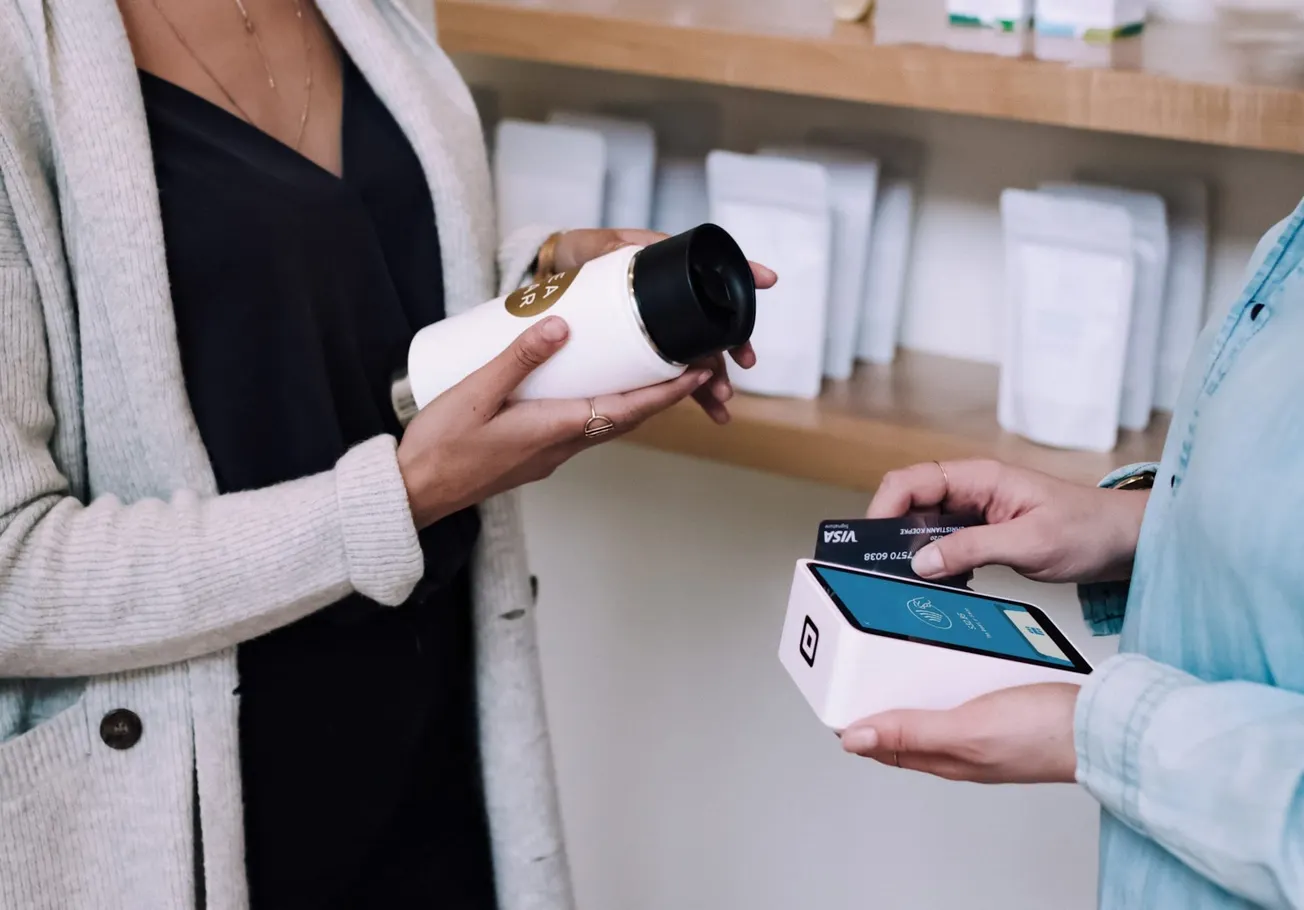
By 2026, retail will shift from high-volume hiring to attracting “high-value” talent, as automation handles routine tasks, allowing humans to focus on storytelling, problem solving and AI oversight. Roles evolve from “order taker” to “brand ambassador,” using multimedia and “copilots” — innovative headsets with real-time data. Mobile checkouts enable seamless transactions, reducing friction. “Retail tech” careers are growing, attracting data scientists, cybersecurity experts and UX designers, with teams managing AI-driven pricing and logistics. Workforce tools address labor shortages through algorithmic scheduling, AI micro-learning and skills-based hiring. Warehouses become advanced fulfillment centers with robots, AI cameras and sensors, reducing the need for manual inspections.
Regulatory Complexity in 2026
In 2026, retail faces complex regulations as technology outpaces compliance frameworks. Retailers shift from manual to integrated compliance for high-risk data and AI. The EU AI Act enforces strict rules in August 2026, with fines up to 7% of global revenue for noncompliance. Retailers must disclose AI interactions, and oversight on automated decisions increases. Data privacy laws now shape system design, with over 20 U.S. states, including California, enacting new regulations by January 2026 that impact targeted ads and minors’ data.
Reporting environmental impacts becomes mandatory for large retailers, including greenhouse gas emissions and supply chain ethics.
Competing With Walmart and Amazon, a Technology Juggernaut
Independent and regional grocers can stand out from giants like Walmart and Amazon in 2026 by leveraging technology to highlight their strengths: personal ties, local focus and community trust. Nearly 80% of consumers prefer local stores for fair, personalized deals, indicating a need for seamless digital conversion.
Strategies include hyper-personalized loyalty programs using data to customize discounts; intuitive mobile apps with rewards, coupon and store info; sharing sourcing stories to build community bonds; intelligent automation to boost efficiency; micro-fulfillment centers for faster online orders; and in-store tech like electronic labels and innovative tools to increase accuracy and speed. These efforts promote loyalty, authenticity and operational excellence.
To paraphrase — In a world where products and services are increasingly seen as commodities, customer experience remains the only authentic differentiator.