

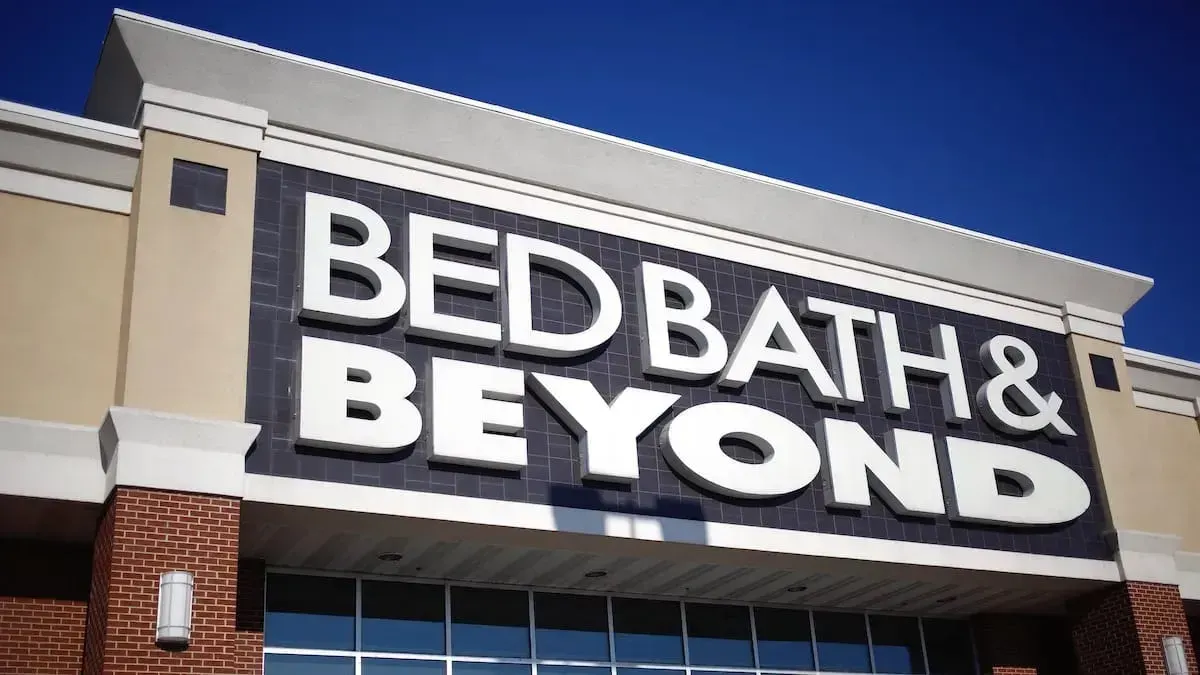
MURRAY, Utah — Bed Bath & Beyond Inc. reported its first revenue increase in 19 quarters, as net revenue rose 6.9% to $248 million in the three months ended March 31.
Factors contributing to the increase include an improved assortment and investments in customer experience that have led to strong brand awareness, the company said in reporting its financial results.
“We delivered real year-over-year revenue growth, something we haven’t seen meaningfully in several years, while continuing to take costs out of the business and operate more efficiently. That combination matters,” Marcus Lemonis, executive chairman and chief executive officer, said in a press release.
Lemonis is spearheading Bed Bath & Beyond’s comeback from Chapter 11 bankruptcy and the closure of all of its stores in 2023. The company is reorganizing as an ecommerce-focused retailer with an affinity model that owns or has ownership interests in various retail brands, offering products and services that enable its customers to enhance everyday life through quality, style, and value.
The business has been “fundamentally rebuilt,” Lemonis said this week in a letter to shareholders.
“This was not an effort to stabilize short-term performance. It was a deliberate reset of how we operate, with the goal of creating a model that can grow consistently on a lower and more durable cost structure,” Lemonis wrote.
Customer acquisition is more efficient, owned channels are performing better, and engagement quality is improving, according to Lemonis. Returning customer behavior is strengthening, and average order value is increasing.
“The business is still in the process of rebuilding, but the trajectory is clear and reflects a model that is beginning to scale. Stabilization was never the end goal. It was the starting point,” he wrote. “Everything we are building is grounded in a simple idea. The home is not a single transaction. It is a lifecycle. On average, homeowners remain in their home for approximately 11 to 12 years. During that time, they move in, maintain the home, improve it, finance it, and eventually transition out of it. We are building a connected system designed to participate across that lifecycle in a more coordinated and efficient way.”
 Thorvardur de Shong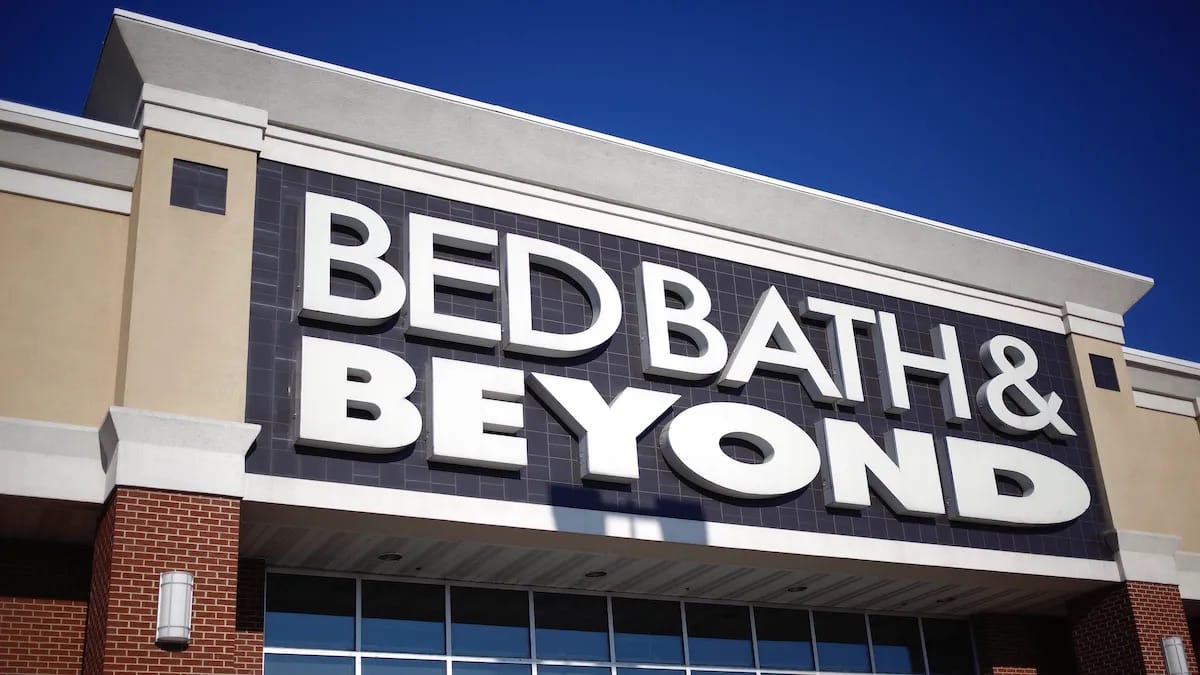
Bed Bath & Beyond operates through three pillars aligned to that lifecycle:
• An omnichannel platform creates the initial relationship with the customer.
• Products and financial services platform allows us to participate more deeply in the economic activity tied to the home.
• A home services platform brings the company directly into the physical home through installation, customization, and renovation.
“Individually, each of these pillars has value. Together, they allow us to serve the same customer repeatedly over time, with each interaction informed by the last,” Lemonis told shareholders. “That is what transforms a transaction into a relationship.”
The company’s assets include Bed Bath & Beyond, Overstock, buybuy BABY, Kirkland’s, and Kirkland's Home, as well as related brands and websites and a blockchain asset portfolio inclusive of tZERO, GrainChain. The company has signed letters to intent to buy The Container Store, known for its custom storage systems, and F9 Brands, which owns and operates Cabinets To Go.
The Container Store last week issued a press release announcing a chainwide "store changing" event at 98 of its U.S. locations involving the revamp of selling floors to incorporate products from Bed Bath & Beyond. A dozen of the stores are. in California, a state Lemonis last year vowed to avoid, calling the Golden State "one of the most overregulated, expensive and risky environments for businesses in America."
Submit Your Press Release
Have news to share? Send us your press releases and announcements.
Send Press Release