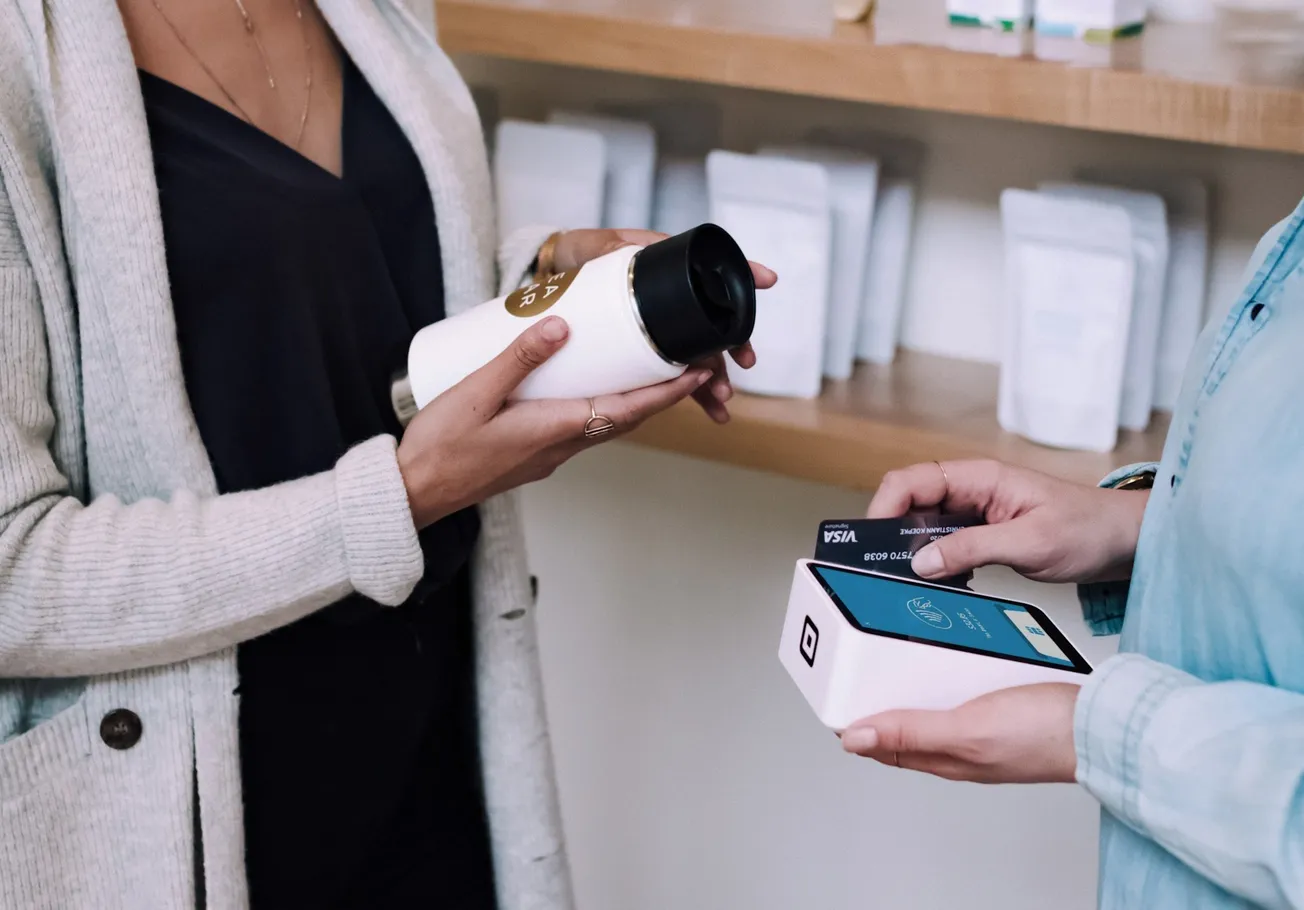


U.S. consumers remain determined to celebrate this holiday season, even as the economy sends mixed signals. Visa’s Business and Economic Insights holiday forecast projects a 4.6% increase in retail sales from November through December, excluding gas, auto and restaurant spending. That sounds like good news. But after adjusting for inflation, real spending is expected to rise just 2.2%, down slightly from last year’s 2.5% increase. So while Americans are spending more dollars, they’re not necessarily buying more goods.

Inflation is doing much of the heavy lifting — particularly in categories such as recreational goods, where prices rose 3.1% year over year in September.
Still, consumers are forging ahead. Visa’s quarterly survey shows the average shopper plans to spend $736 on gifts, about 10% more than in 2024. Baby boomers, buoyed by savings and retirement income, lead the way, with a projected 21% increase in holiday spending to $855 on average. Younger generations are more cautious, with Gen Z, Millennials and Gen X expecting increases of 5% to 7%. For nearly one-fifth of consumers, though, the holidays will mean cutting back — constrained by stagnant incomes and persistent unease about the economy’s direction.
This paradox — robust spending amid widespread anxiety — has become the defining feature of the post-pandemic economy. The latest Alvarez & Marsal Consumer Sentiment Report reveals a deepening divide between the “haves” and the “have-less.” Higher-income households are fueling much of today’s spending, while middle- and lower-income groups continue to tighten budgets.
“Higher-income households reported a notable increase in intent to make and spend more money this cycle,” said Chad Lusk, managing director at A&M’s Consumer and Retail Group. “However, we are also seeing increased cautiousness and responsibility in how they spend.”
That caution shows up in how Americans define value. Across income levels, shoppers are making deliberate trade-offs — trading restaurants for home cooking, premium brands for store brands, and full-price retailers for discount grocers. Grocery is the only major category where consumers expect to spend more over the next six months, up 6% net more, while discretionary categories such as accessories and sports gear are seeing declines.
A&M’s survey found that 37% of consumers looking to save money are switching to a cheaper brand at their current retailer, 33% are buying fewer items and 31% are switching to a cheaper retailer. (Those with household incomes of more than $100,000 are somewhat less likely to buy fewer items and somewhat more likely to switch to a cheaper retailer.)
And brand loyalty is eroding, especially among younger shoppers. Forty-one percent of consumers cite price as the main reason they switch snack or beverage brands, while roughly one in five cite health benefits or wellness attributes. Gen Z and Millennials, in particular, are driving experimentation — seeking brands that offer excitement, authenticity and personalization.
For now, the U.S. consumer continues to defy gravity, balancing optimism with restraint as they continue to spend. But moving forward, retailers and consumer packaged goods makers may find it increasingly difficult to earn consumer loyalty in an economy where every dollar — and every decision — matters more than ever.