
For much of the past 20 years, the U.S. convenience channel has grown steadily. Store counts increased, average square footage expanded, and shoppers found more locations and more options. On paper, convenience should have been stronger than ever. Instead, the channel now faces a demand challenge.
| Click here for our complete C-store coverage |
That conclusion is central to a new convenience-channel perspective by Chris Costagli, vice president of thought leadership and food and beverage insights at NielsenIQ (NIQ). “When you look at the last couple of years, dollars and units have declined in the convenience channel while prices are up,” Costagli said. “That combination tells you shoppers are making a conscious decision to pull back.”

Since 2005, the number of convenience stores in the U.S. has increased by about 8%, and since 2009, average store size has grown by roughly 12%. From a shopper’s point of view, that means more stores and larger stores. However, trips and sales are facing pressure. According to NIQ data, about a third of consumers say they are visiting convenience stores less often for food, beverages, and nicotine products. The main reason is price.
“About 50% of those shoppers say convenience stores are simply more expensive than other places,” Costagli said. “The second biggest reason is impulse avoidance. People are actively trying to avoid unplanned purchases.”
That shift challenges the core of a channel driven by impulse. By avoiding the store entirely, shoppers are controlling their spending. In doing so, convenience has shifted from a quick shortcut to a conscious trade-off. Consumers no longer stop automatically; instead, they weigh whether the stop is worth it.
Price pressure is just part of the story. Structural shifts are weakening traditional drivers of traffic. Improving fuel efficiency means drivers fill up less often. Cigarette use and alcohol consumption are both declining. Electric vehicles, although still a small part of the fleet, are starting to influence forecourt behavior.
“Fuel economy is definitely impacting trips, and EV adoption is starting to matter more,” Costagli said. “All of this points to the need for the channel to evolve.”
As the traditional model of refueling and departing weakens, longer dwell times are becoming more common, particularly as EV charging expands. That change reveals a gap between how convenience stores have historically been designed and how shoppers might use them in the future.
“C-stores are getting bigger and bigger, with larger assortments and more space,” said Jason Zelinski, vice president of North American retail at NIQ. “At the same time, grocery and mass retailers are trying to get smaller and more convenient. That reversal creates an opportunity for convenience stores to become more destination-oriented.”

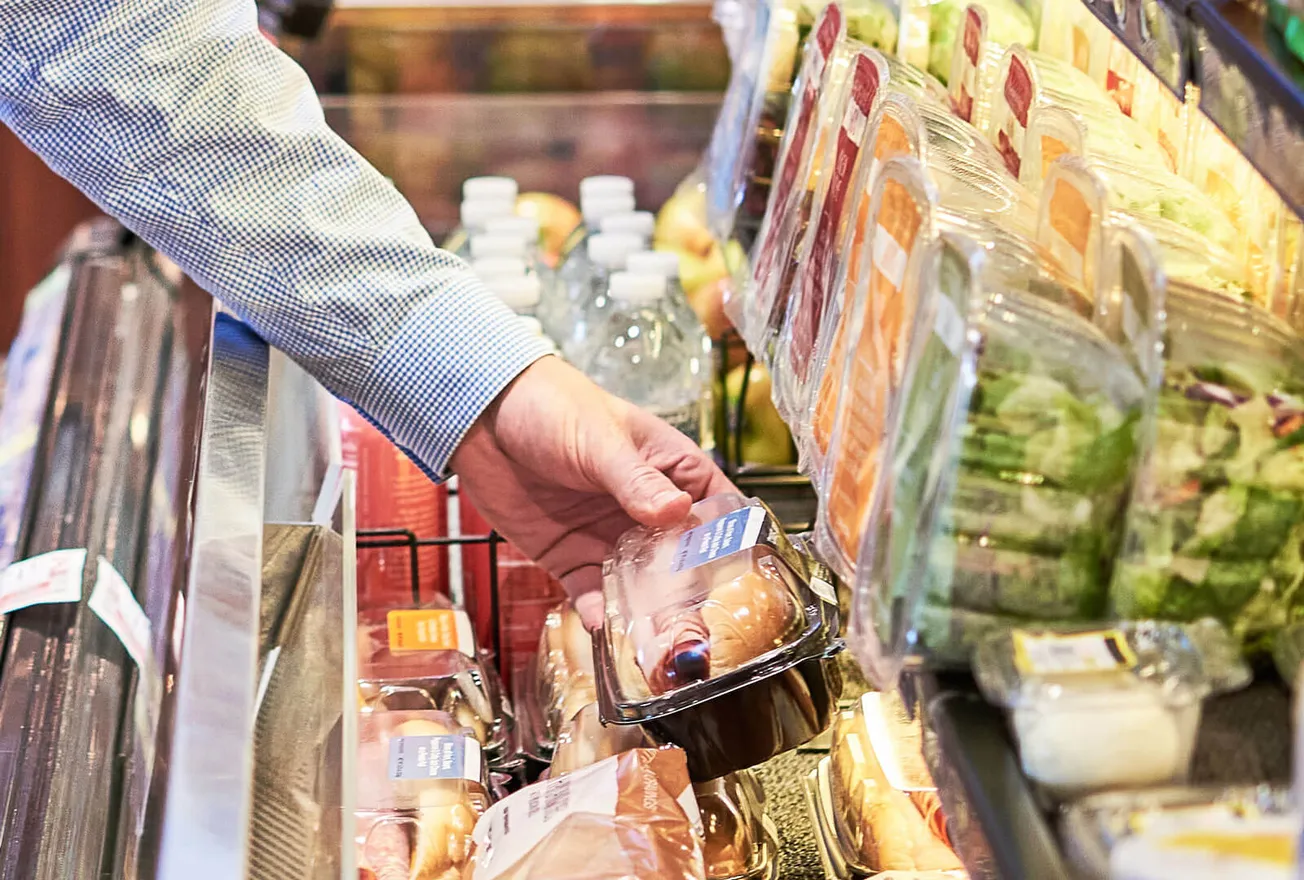
That opportunity is most evident in prepared foods and beverages. Longer dwell times increase the likelihood of converting visits, especially when the store offers relevant, enjoyable products. Prepared food already brings in significant revenue for the channel, but growth has slowed. Costagli attributes much of this to perception.
“Most consumers don’t think of a convenience store when they want a meal,” he said. “They think of quick-service restaurants. That perception gap is one of the biggest hurdles.”
Yet convenience stores also have advantages that QSRs do not. Speed is built into their model, and the ability to serve multiple purposes remains a key difference. Shoppers can grab a quick meal and pick up everyday items in one trip. NIQ data show that many consumers want healthier food, greater variety, stronger promotions, stronger loyalty programs, and cleaner facilities from quick-service restaurants.
“If those are the pain points in QSR,” Costagli said, “that’s where convenience stores can step in and deliver a better experience.”
Beyond prepared food, wellness is emerging as a powerful force reshaping the channel. Consumers are moderating their consumption and paying closer attention to ingredients. NIQ’s Better For product characteristic, which aggregates claims such as organic, protein, and free-from artificial ingredients, is outperforming the total food and beverage industry across channels. In convenience stores, that growth is even stronger.
“Claims like no artificial colors, gluten-free, and protein are all growing faster in C-stores than in the broader market,” Costagli said.
At the same time, some attributes remain underrepresented. Fiber, for example, is growing faster in the overall market than in convenience stores, mainly due to limited distribution. That gap indicates unmet demand rather than a lack of interest.
“Wellness can’t be treated as a niche,” Costagli said. “It has to become part of the backbone of the assortment.”
The stakes are high. About 90% of CPG sales in convenience come from three categories: tobacco and alternatives, grocery, and alcohol. Two of these categories face long-term challenges. As traditional anchors weaken, the channel must find new ones.
“One in five tobacco trips also includes a beverage,” Costagli noted. “Energy drinks, in particular, show up on nearly 30% of cigarette trips. If cigarette trips decline, the question becomes what replaces them as the anchor.”
Technology is speeding up that change. Mobile ingredient-scanning apps are transforming how shoppers assess products on the shelf. NIQ research shows that usage of these apps rose from 17% of households last spring to 25% earlier this year. Trust is also shifting. More shoppers believe what apps tell them more than what labels say, and most users report putting products back when they receive poor scores.
“That should concern brands and retailers,” Costagli said. “Technology is pulling back the curtain.”
For a channel historically rooted in vices and impulses, transparency raises the standards. Staying ahead of better-for products and ingredient scrutiny is now essential.
Costagli acknowledged that not every convenience store will become a destination. However, small improvements in product selection, food quality, cleanliness, and trust can still encourage more visits.
“The future isn’t about getting people in and out as fast as possible,” he said. “It’s about giving them a reason to stay.”
The convenience playbook was built on vices, velocity, and volatile gas prices. Today’s shopper is more price-sensitive, more label-literate, and more intentional. For the channel to remain relevant, convenience must again feel worth the stop.
Originally featured in MMR’s February print edition — don’t miss exclusive industry insights delivered straight to your inbox.
Submit Your Press Release
Have news to share? Send us your press releases and announcements.
Send Press Release