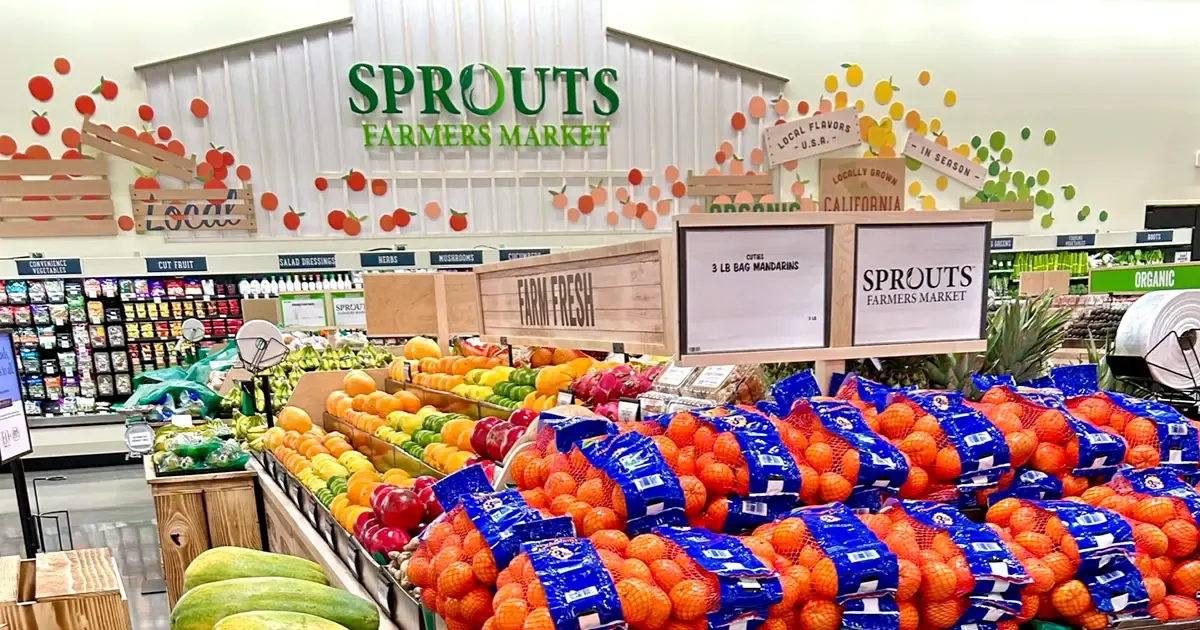

NASHVILLE, Tenn. — Grocery retailers have something most competitors would kill for: more shopper visits than nearly any other retail channel and some of the highest consumer trust scores in retail. Yet they are steadily losing ground in one of their most lucrative potential categories — health and beauty care — and the people who study the problem say the reasons are hiding in plain sight.
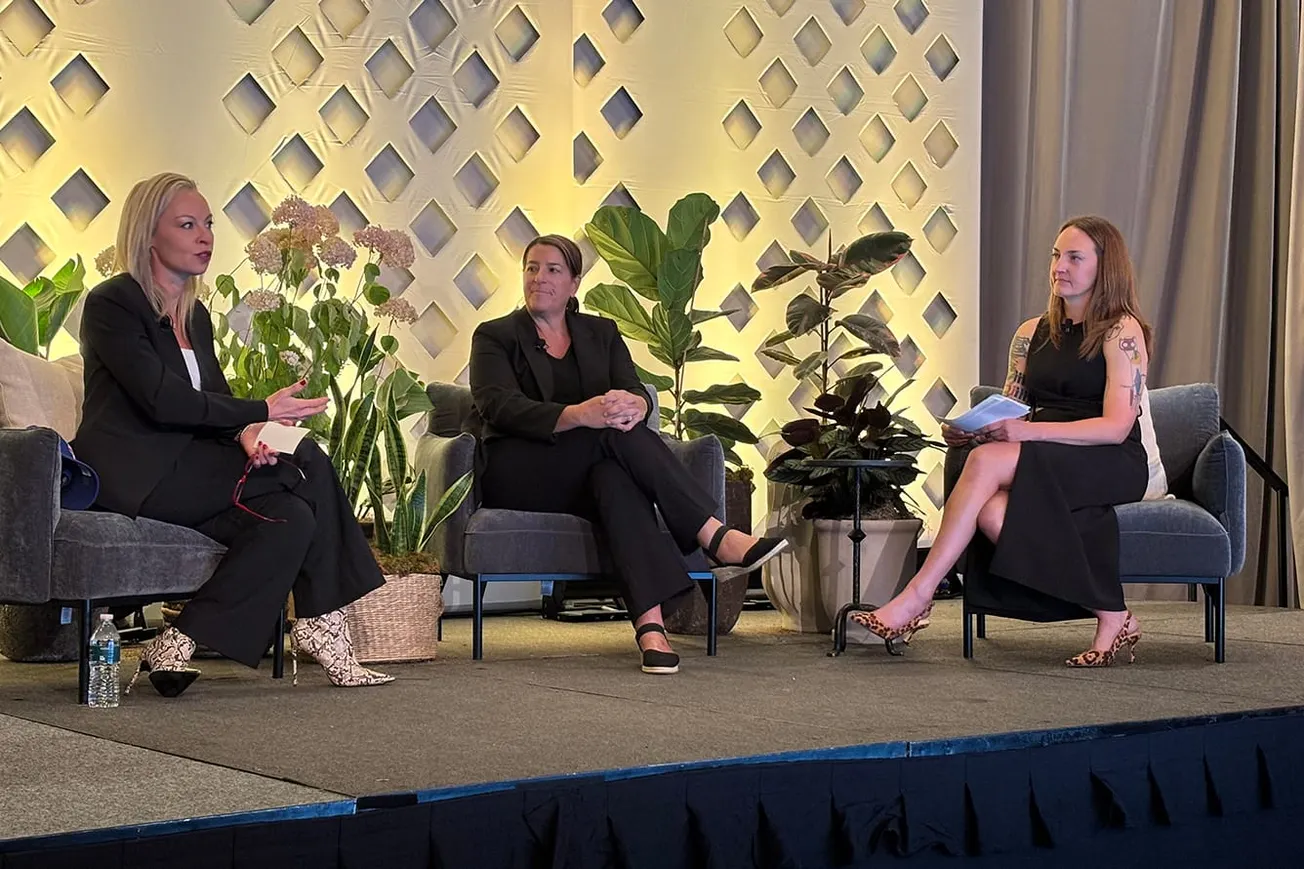
At this week's Future of Commerce conference in Nashville, a panel of consumer packaged goods and retail strategy veterans laid out both the diagnosis and a set of prescriptions. The message was blunt: trust alone does not drive conversion, and grocers who fail to act on digital discoverability, curated assortment, and last-mile delivery partnerships will watch a massive opportunity keep walking out the door.
A $15 Billion Gap
The scale of the opportunity is striking. Health and beauty care is projected to grow roughly three times faster than traditional grocery categories while generating stronger margins and profit contributions. Natalie Ryan, head of strategic transformation at the Emerson Group, offered a concrete illustration of what complacency costs: converting just one in four existing grocery trips to include a single $5 health and beauty purchase would represent a $15 billion incremental opportunity for the industry.
"The question isn't whether consumers are buying health and beauty care," Ryan told the audience. "The question is why they're increasingly buying them somewhere else."
The answer, according to panelists, comes down to three forces. First, more than half of consumers believe health and beauty products are priced too high at grocery stores — a perception that, whether accurate or not, shapes behavior. Second, fast-growing value grocers like Aldi and Trader Joe's are pulling foot traffic away from traditional supermarkets while offering limited health and beauty selections, pushing shoppers to seek those products at mass retailers, drugstores, or online. Third, digital grocery has not kept pace with consumer expectations: while nearly half of shoppers have purchased health and beauty items through pickup or delivery services, a far smaller proportion have done so through a grocer's own platform.
The Digital Shelf Needs a Rebuild
The panel's sharpest criticism was reserved for grocery's digital execution. With food pickup and delivery now approaching a quarter of all food sales, the digital platform has effectively become a second store — but most grocers haven't treated it that way when it comes to health and beauty.
Fara Pope, digital commerce sales lead at Haleon, the consumer health company behind Advil, Tums, and Sensodyne, said the content problem alone is significant: on average, only about 40 percent of health and beauty product content on grocery digital platforms is complete. Search relevance is weak, recommendations are thin, and price transparency — a key anxiety for online shoppers — is often absent.
"If you have the same prices online as in store, call that out," Pope said. "If you'd like to give someone a reason to try delivery, offer free delivery when they buy above a certain threshold. These are not complicated levers."
Out-of-stock notifications that erode trust and clumsy product substitutions — swapping a branded item for a generic when the customer clearly wanted the brand — are also chipping away at shopper confidence. Pope argued that when a specific Advil SKU is unavailable, the retailer should suggest another Advil variant, not a private-label alternative.
Data as the Missing Ingredient
If digital infrastructure is one gap, mining grocery's own data is the other. Grocery retailers accumulate transaction histories on their customers that specialty beauty chains would find enviable. Yet that data often sits underutilized rather than powering meaningful recommendations.
Jennifer Trevethan, chief sales officer at Revance Consumer Skincare, said solution-based cross-selling is the logical next step. A shopper who regularly buys acne products might be prompted to add a daily SPF. Someone purchasing women's wellness items could be introduced to complementary supplements. A customer ordering soup on a cold afternoon could receive a timely suggestion for cold and flu remedies.
"Consumers are looking for help to make their lives easier and solve problems," Trevethan said. "That's what grocery has the data to do — and no one else has that data at scale."
Pope pointed to another underexploited data layer: what shoppers search for but don't find. Search query data, she argued, is among the most actionable signals available for assortment expansion decisions. If hundreds of customers are searching for a product category a store doesn't carry, the answer to whether to add it is right there.
Last-Mile Partnerships as Growth Engines
One of the panel's more eye-opening exchanges centered on last-mile delivery partnerships — Instacart, DoorDash, Uber Eats, and their counterparts. Pope asked the room how many attendees held memberships with multiple last-mile services. Very few hands went up. Her point was pointed: if retailers aren't represented on every major platform, they are invisible at precisely the moment a customer is deciding where to shop.
"If I'm not going to have the time to walk into my local grocery store this week, I'm going to go to whichever store my last-mile partner supports," Pope said. "You're missing the trip, and your competition is gaining."
Beyond basic presence, she described creative formats available through platform partnerships that most grocers haven't activated. DoorDash's "Double Dash" feature allows a manufacturer to intercept a food delivery order in progress and offer to add a health product from a nearby retailer to the same trip. Uber, leveraging its ride-sharing location data, can target travelers who have just arrived in a city and may need personal care products they left at home.
Perhaps most significantly, Pope argued that last-mile transactions are largely incremental rather than cannibalistic — capturing shoppers who likely would not have made a store visit anyway. She cited estimates that 85 to 95 percent of last-mile purchases represent net-new volume.
An emerging regulatory question worth watching: the potential to bundle pharmacy delivery with OTC product delivery. If a shopper is having a prescription filled for an upper respiratory illness, the case for adding soup, tea, and cold medicine to the same delivery is self-evident. Clearing the compliance path to enable that bundling, panelists suggested, could unlock another substantial channel.
Rethinking the Aisle Itself
The physical store, too, needs rethinking. Trevethan described the current health and beauty aisle at most grocers as static — "soldiers lined up by brand" in a format consumers find hard to navigate. The emerging model she envisions reorganizes around need states: a women's wellness section, an acne solution set, a suncare destination, with signage and QR codes providing the kind of education consumers currently have to seek out on their own.
That approach would borrow a page from specialty beauty retailers like Ulta and Sephora, which have built powerful loyalty programs on exactly this kind of personalized, solutions-oriented merchandising. Grocery has the traffic; what it has historically lacked is the curation.
Trevethan also called for tighter integration with the pharmacy. If a customer is filling a prescription that is known to cause skin irritation, a coordinated alert or shelf placement could direct her to an appropriate skincare product two aisles away. "The journey starts digitally, but you connect and you convert at the shelf," she said. "And they have to work together."
Avoiding the Wrong Trends
Both panelists urged caution about chasing viral social media trends uncritically. TikTok-driven product demand can be real, but it can also be fleeting or built on misinformation — and stocking shelves with trendy products that don't perform risks damaging the trust that is grocery's principal competitive asset in health and beauty.
Pope also pushed back against what she sees as the industry's fixation on younger consumers at the expense of middle-aged shoppers who are simultaneously buying for teenage children and aging parents. "Don't take your eye off the hardworking woman in the sandwich generation," she said. "I'm a huge opportunity to target across many, many generations."
The Convergence Bet
The panel's conclusion was broadly optimistic about grocery's trajectory in health and beauty — but only if retailers make deliberate moves quickly. The channels are blurring: specialty beauty is broadening, mass is moving upmarket, and consumers increasingly want to consolidate their purchases wherever convenience dictates.
That convergence creates an opening. Grocers who build out their digital shelves, activate last-mile partnerships, curate solution-based assortments, and use their transaction data aggressively can capture a shopper looking to manage health and beauty as part of an integrated weekly routine rather than as a separate specialty errand.
"Convenience gets them in," Pope said in the session's closing moments, "but they want trusted brands and a curated assortment that's easy to understand and easy to buy."
Trust, it turns out, is the foundation — but the execution is where the money is.
This article is based on a panel discussion at the Future of Commerce conference held earlier this week in Nashville, Tenn. The panelists were Natalie Ryan of the Emerson Group, Fara Pope of Haleon, and Jennifer Trevethan of Revance Consumer Skincare.