
NEW YORK — As grocery prices continue to pressure household budgets, loyalty programs have become an increasingly important tool for consumers seeking savings, according to new research presented by FMI – The Food Industry Association.
Speaking during abriefing on grocery shopper trends, Andy Harig, FMI vice president of tax, trade, sustainability and policy development, and Heather Garlich, FMI senior vice president, of insights, education and communications as well as Dr. Ricky Volpe, professor of agribusiness at Cal Poly, discussed food price inflation, consumer sentiment on grocery shopping, and the ways retailers are offering value to shoppers.
“Holidays are always kind of a strange time for food prices. There are a lot of products, a lot of food prices during the holidays that violate what we economists call the law of demand, right? Because we as economists like to say, look, as demand goes up, the price goes up. That’s the way it works,” said Dr. Volpe. “But around the holidays, that kind of gets turned on its head because a lot of retailers have realized that one of the most effective ways to build the basket sizes, build store loyalty, build foot traffic is to offer really competitive prices on those sort of key absolute foundational holiday items with the most famous example being that Thanksgiving turkey, right?”
Dr. Vople said he would expect most retailers, especially those that engage in high low pricing or promotional pricing, to be playing that game pretty aggressively, in order to generate. “You know, appealing marketing, digital ads, circulars, promotional activity, that sort of stuff. So consumers who are savvy about that sort of pricing, about promotions, deals, loyalty cards, that sort of stuff, can still do very well during this holiday season, despite the fact that inflation will probably be ticking up because there’s a real chance that Q4 of 2026 is going to be the most inflationary of the year so far,” he explained.
Garlich highlighted the growing role loyalty programs play in helping shoppers stretch their food dollars amid ongoing economic uncertainty. She emphasized how retailers are using targeted promotions and rewards programs to deliver value to consumers.

The findings underscore a broader shift in consumer behavior, as shoppers become more strategic, informed and price conscious in their purchasing decisions.
“These programs are very popular,” Garlich said. “In general, 86% of consumers say loyalty programs matter to them, and more than half of shoppers, 59%, are using grocery loyalty programs regularly, according to research from digital marketplace Upside.”
The appeal of loyalty programs extends beyond the checkout lane. According to Garlich, many consumers are incorporating rewards and discounts into the planning stages of their shopping trips.
“Roughly half of shoppers use their loyalty rewards while planning their grocery trip,” she said.
That behavior reflects a growing emphasis on preparation and value-seeking among consumers who are closely monitoring food costs. As inflationary pressures have lingered in recent years, shoppers have increasingly adopted habits such as creating detailed shopping lists, comparing prices across retailers and seeking digital deals before entering the store.
Loyalty Programs Become Essential Savings Tools
For retailers, loyalty programs have evolved from simple point-collection systems into sophisticated platforms that help customers identify savings opportunities while strengthening relationships between stores and shoppers.
Today’s grocery loyalty programs often provide personalized discounts, digital coupons, exclusive promotions and targeted offers based on past purchasing behavior. These benefits have become particularly meaningful as consumers look for ways to offset higher prices on everyday essentials.
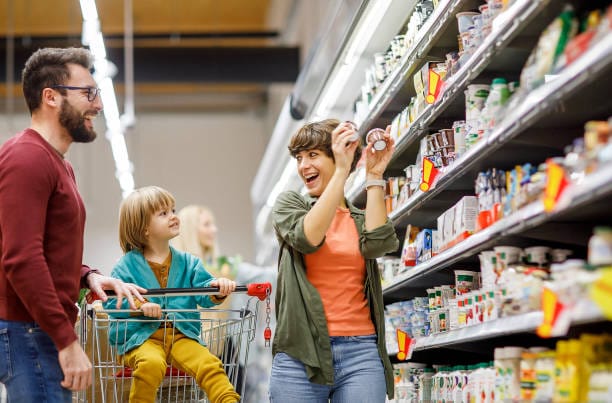
According to Garlich, shoppers are taking full advantage of the information available to them.
“As we’ve mentioned throughout the discussion today, today’s consumers are very well informed,” she said.
The abundance of pricing information available through retailer apps, websites and digital circulars allows shoppers to compare deals and make more strategic purchasing decisions than ever before.
The combination of informed consumers and strong loyalty offerings creates opportunities for grocery retailers to help customers manage expenses while staying engaged with their preferred stores.
“The discounts provided by food retailers, including through popular loyalty programs, empower shoppers to better manage their budgets despite all of these ongoing price pressures,” Garlich said.
Value Remains a Top Priority
The popularity of loyalty programs reflects a broader trend shaping the grocery industry: Consumers remain highly focused on value.
While inflation rates have moderated from the historic highs seen during the height of recent economic disruptions, many households still feel the cumulative impact of elevated food prices. As a result, consumers are looking for tangible ways to maximize purchasing power.
Retailers have responded by expanding digital savings opportunities and investing in technologies that deliver personalized offers. Loyalty platforms allow grocers to tailor promotions to individual households, increasing the likelihood that customers will find relevant discounts on the products they purchase most often.

Garlich noted that value delivery remains a key priority across the food retail industry, particularly as grocers seek ways to support consumers facing financial challenges.
The increasing sophistication of loyalty programs also benefits retailers by giving them better insight into shopping behaviors and purchasing trends. These insights help merchants develop targeted promotions, improve assortments and strengthen customer relationships.
For consumers, however, the most immediate benefit remains straightforward: savings.
With nearly six in 10 shoppers regularly using grocery loyalty programs, the research suggests consumers view these platforms not as optional perks but as an important part of their grocery budgeting strategies.
Measuring Shopper Confidence
While loyalty program participation offers one indicator of consumer engagement, FMI also relies on broader measures to understand how shoppers feel about the overall grocery experience.
As the presentation concluded, Garlich pointed to a metric that FMI considers especially important for tracking the health of consumer sentiment.
“We shared a lot of data, but there is actually one metric that we didn’t mention,” she said. “Our organization always looks to it as a guidepost, and that is our U.S. Grocery Shopper Sentiment Index.”
The index is designed to provide insight into shoppers’ attitudes toward grocery shopping and their relationships with retailers. Unlike measures that focus solely on pricing or spending, the Grocery Shopper Sentiment Index captures broader perceptions about the shopping experience.
“It really helps us understand how consumers feel about shopping for groceries and their actual relationship with their primary store,” Garlich said.
The metric serves as a valuable barometer for food retailers seeking to understand whether shoppers feel confident, supported and connected to their preferred grocery outlets.
Building Stronger Consumer Relationships
The emphasis on shopper sentiment highlights an increasingly important reality for grocery retailers: consumers are evaluating more than just prices.
While affordability remains a critical factor, shoppers are also considering convenience, product availability, personalized experiences and the overall value they receive from their primary grocery store.
Loyalty programs sit at the intersection of these priorities. Beyond offering discounts, they create ongoing engagement opportunities that help retailers communicate directly with shoppers through mobile apps, email promotions and personalized offers.
As consumer expectations continue to evolve, retailers that effectively combine savings opportunities with meaningful customer engagement may be better positioned to build long-term loyalty.
The latest FMI findings suggest that grocery shoppers are actively seeking those connections. With 86% of consumers saying loyalty programs matter and a majority regularly using them, rewards platforms have become a central part of the modern grocery experience.
For retailers, the message is clear: Value remains essential, and loyalty programs remain one of the most effective ways to deliver it. For consumers, these programs offer an increasingly important resource for navigating ongoing food price challenges while maintaining relationships with trusted grocery stores.
As Garlich’s remarks underscored, understanding shopper sentiment and delivering meaningful savings will remain critical priorities for grocers seeking to meet the needs of today’s informed, budget-conscious consumers.
Submit Your Press Release
Have news to share? Send us your press releases and announcements.
Send Press Release