

JACKSONVILLE, Fla, — At its core, grocery affordability is the balance between household incomes and the cost of filling a shopping cart. As food prices have risen, shoppers have adjusted their purchasing habits, rethinking what they buy, where they shop, and what value means to them.
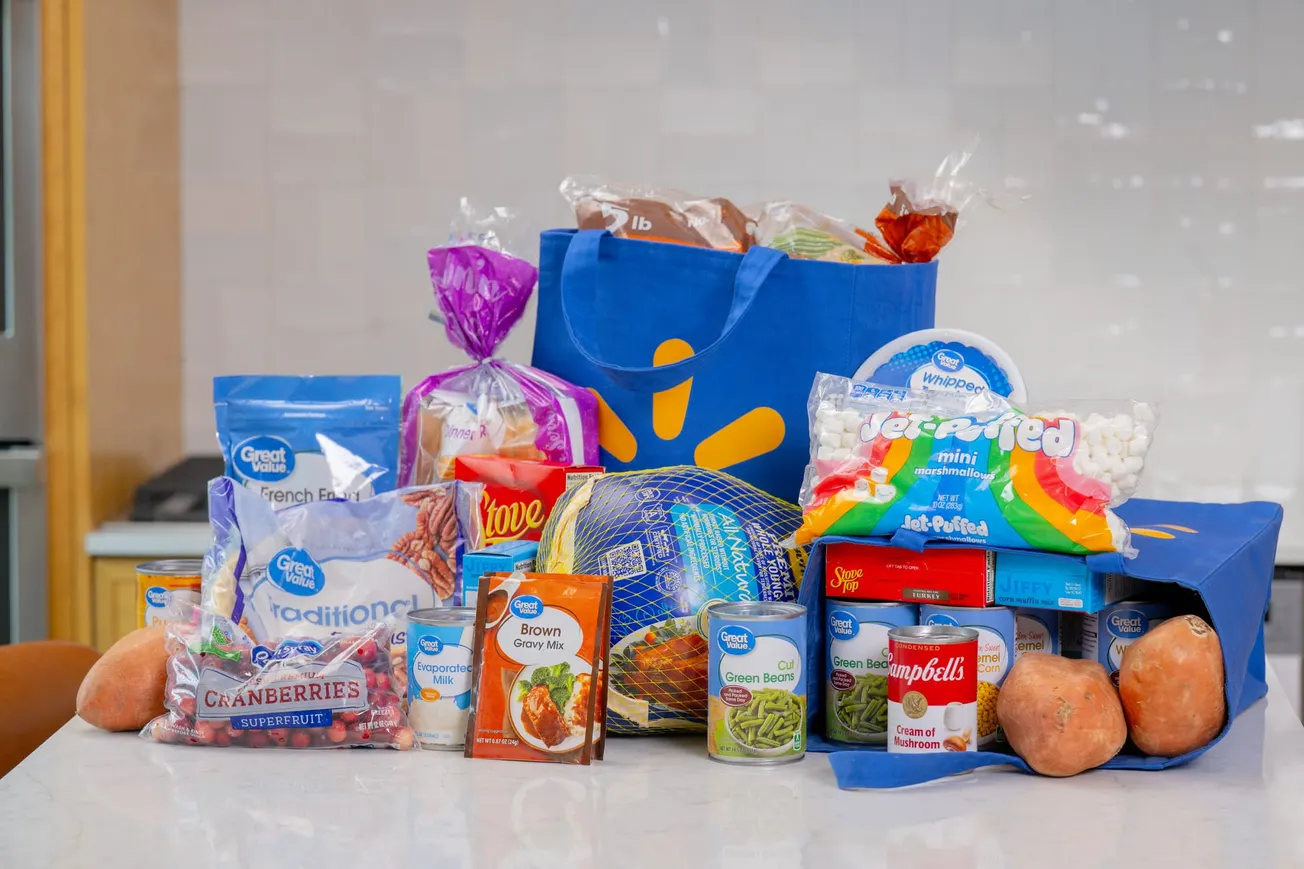
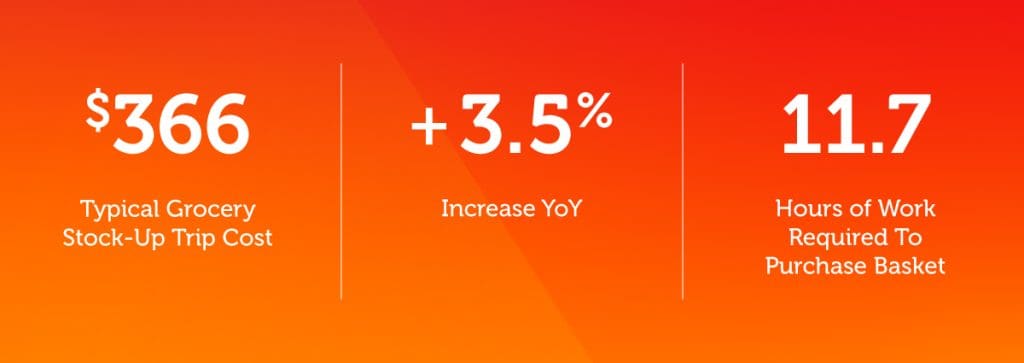
The second edition of Acosta Group’s Affordability Tracker examines grocery affordability by looking at the relationship between the cost of Acosta Group’s Typical Stock-Up Trip and median hourly earnings in the United States.
Key Findings
Finding 1: Affordability Recovery Has Reached a Holding Pattern
Grocery affordability remains modestly better than it was a year ago, but the recovery has lost the momentum it demonstrated between the peak inflation years and 2025.
Finding 2: Shopper Comfort Has Eroded Despite Stable Grocery Purchasing Power
There’s a widening distance between what grocery purchasing power shows and how shoppers feel. Shopper comfort fell from 68% in January to 53% in August.
Finding 3: Grocery Affordability Is Being Judged Against the Entire Household Budget
Even when groceries feel manageable, many shoppers remain uneasy about the rest of their household budget.
Finding 4: Value Seeking Has Become the Default Grocery Strategy
Consumers still need to put food on the table, but they’ve become less willing to accept a price premium without a clear and relevant benefit for choosing a certain brand or retailer.
Why It Matters
The latest findings reinforce that shoppers are not simply searching for the lowest price. They’re looking for confidence that a purchase is a worthwhile use of limited resources.
For retailers, the opportunity lies in making value easy to recognize.
Shoppers are spending more time comparing prices, seeking promotions, exploring private label options, and choosing lower-cost retailers. Pricing, assortment, and promotional strategies that simplify those decisions can help reduce uncertainty and strengthen trust.
This environment demands a sharper articulation of value. People are less willing to pay more without a clear reason for doing so. Brands that demonstrate dependable quality, communicate their advantages simply, and offer relevant benefits in the moment of purchase are more likely to earn a place in today’s increasingly selective basket.
Perhaps most importantly, grocery has become one of the few areas of the household budget where consumers feel they still have meaningful control. Shoppers cannot easily reduce a mortgage payment, insurance premium, or medical expense, but they can make different choices in the grocery aisle.
Retailers and brands that help consumers make those choices with greater confidence will be best positioned to earn trust, loyalty, and long-term growth.
Explore implications in the latest edition of Acosta Group’s Affordability Tracker.