

WASHINGTON — Halfway through the year, it is still difficult to predict the impact new tariffs and other government policies will have on the U.S. economy, National Retail Federation Chief Economist Jack Kleinhenz said Tuesday.
“This year began with high expectations for the strength of the U.S. economy,” Kleinhenz said, noting strong 2.8% year-over-year growth in gross domestic product in 2024 that was led by consumer spending and helped by business and government spending. “Since then, anxiety and confusion have taken center stage in the economy and financial markets as uncertainty over public policy has intensified. It was difficult to judge how policy changes would impact the economy in early 2025, and it remains so now.”
“Economic fundamentals appear solid at this juncture, but uncertainty is pervasive,” Kleinhenz said. “There are many crosscurrents surrounding tariffs, immigration and deregulation, and everyone is sorting through what the tariff rates are going to be, how they will impact inflation for retail products and, importantly, how long they will be in place.”
Kleinhenz’s comments came in the July edition of NRF’s Monthly Economic Review, which said “economic growth is holding up relatively well” so far this year despite uncertainty about the future. GDP fell at an annual rate of 0.5% in the first quarter, but that was primarily because of a surge in imports driven by tariff announcements. In contrast, private final sales to domestic purchasers — a measure of consumer and business spending — were up 1.9% year over year. That was down from 2.9% in the previous quarter but showed continued strength in private sector demand, and “the slowdown has been less than feared.”
Year-over-year inflation as measured by the Personal Consumption Expenditures Price Index ticked up to 2.3% in May from 2.1% in April. Unadjusted for inflation, personal income and consumer spending both increased by 4.5% in May. And core retail sales as defined by NRF — based on Census Bureau data but excluding automobile dealers, gasoline stations and restaurants — were up 3.9% year over year both in May and for the first five months of the year.
The labor market is performing better than expected, with employers adding 147,000 jobs in June, just above the monthly average of 146,000 over the past year, and the unemployment rate was largely steady at 4.1%. Job openings rebounded to 7.8 million in June, “indicating continued demand for workers” and exceeding the 7 million people unemployed.
Tariffs have yet to be clearly seen in prices. “However, if the large increases in tariffs announced earlier this year take effect and are sustained, they will infiltrate consumer prices, causing a downshift in spending that is likely to spill over into the labor market later in the year with higher unemployment,” Kleinhenz said.
Kleinhenz said the Federal Reserve is “quite unlikely” to cut interest rates this month but could be on track to do so this fall. In the meantime, Fed officials are closely monitoring the “inflation psychology” of consumers — specifically, how their expectations about future inflation influence their current spending and savings decisions, as well as whether short-term price increases impact them.
Uncertainty is difficult to quantify, but an Economic Policy Uncertainty Index developed by economists at Stanford and Northwestern has declined by half since April, when it reached its highest level since the pandemic began.
With the One Big Beautiful Bill Act spending measure signed into law, there are ”many moving parts” that “could greatly alter the economic outlook” depending on how businesses and consumers react, Kleinhenz said. Nonetheless, adoption of the bill — which provides business incentives, permanent tax cuts for individuals and measures to induce more workforce participation — “meaningfully reduces fiscal policy uncertainty.”
As the leading authority and voice for the retail industry, NRF analyzes economic conditions affecting the industry through reports such as the Monthly Economic Review.
NRF’s Kleinhenz: Economic growth holding, but tariff impact unclear
”It was difficult to judge how policy changes would impact the economy in early 2025, and it remains so now.”

Related
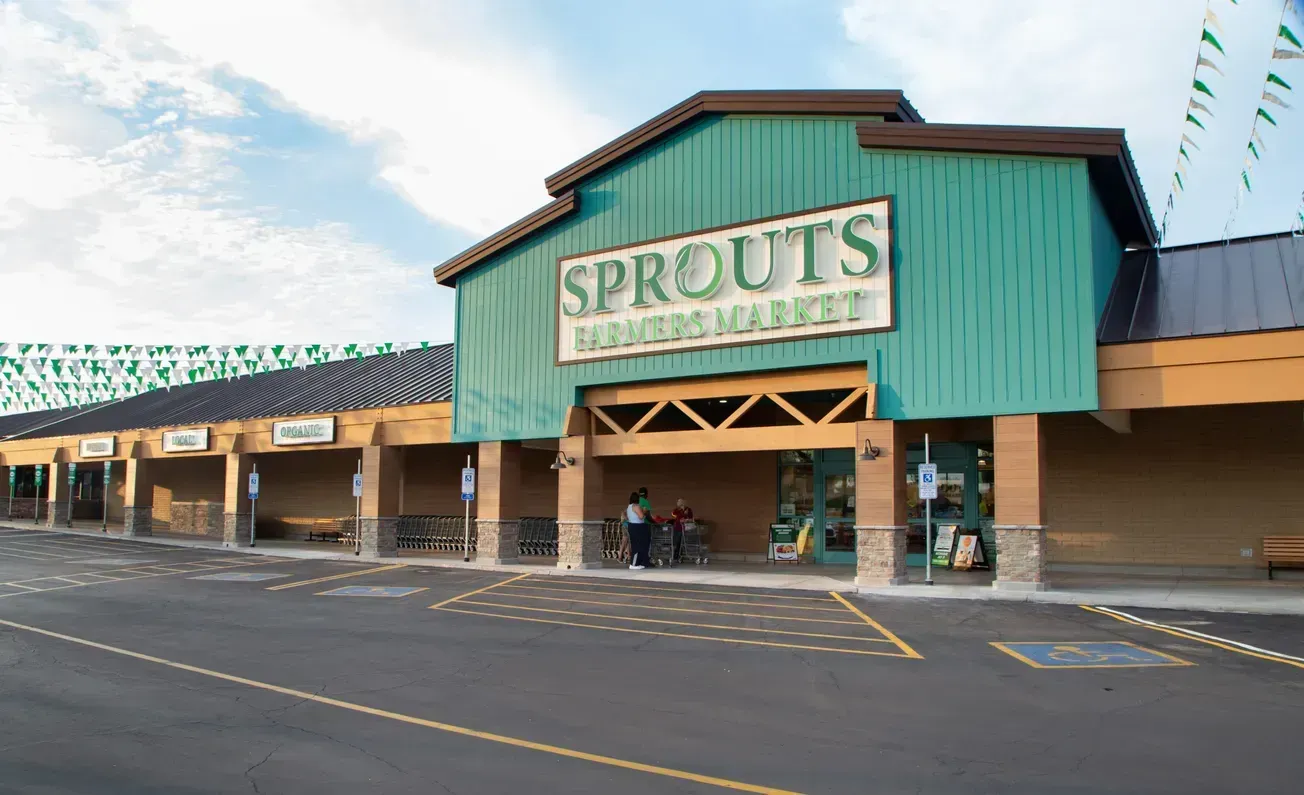
Sprouts Farmers Market coming to Somerset Shopping Center in N.J.
New 28,750-square-foot lease marks a major milestone for the Bridgewater property, bringing a sought-after grocery anchor to the center

Tulip and Salesfloor unite to scale AI-powered engagement
A platform for more targeted outreach, stronger loyalty, higher conversion and greater lifetime value.

NRF: Easter spending set to reach a record $24.9 billion as consumers prioritize holiday traditions
“While economic uncertainty remains on the minds of many, consumers are still focused on holiday celebrations like Easter."
JJ Fleeman to succeed Todd Vasos as Dollar General CEO
The board intends to appoint Fleeman to serve as a director upon the effective date of the transition.
Latest
Sprouts Farmers Market coming to Somerset Shopping Center in N.J.
New 28,750-square-foot lease marks a major milestone for the Bridgewater property, bringing a sought-after grocery anchor to the center
Foundation Consumer Healthcare to retain Plan B in brand portfolio sale
Foundation Consumer Healthcare will sell part of its OTC health division to Prestige Consumer Healthcare, while keeping its Women’s Health unit.

Prestige Consumer to acquire Breathe Right brand in $1.05 billion deal
The transaction signifies Prestige’s entry into the nasal strip market and brings a well-known consumer brand into its portfolio.
Buc-ee’s sues Ohio c-store chain over moose mascot logo
Buc-ee’s alleges trademark infringement and unfair competition related to the chain’s logo and branding.