

SAN DIEGO — Frozen food is no longer just a fallback for American households. New research from the American Frozen Food Institute and FMI shows the category has become a key part of meal planning, as consumers prioritize value, nutrition, and waste reduction amid ongoing economic pressures.
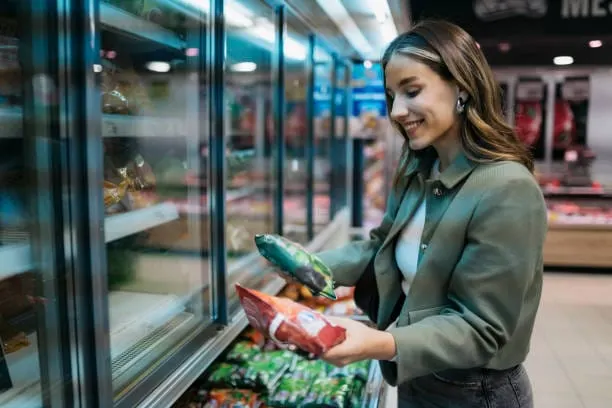
The fourth edition of the Power of Frozen in Retail report, unveiled at AFFI-CON, shows that 40% of shoppers now use frozen foods daily or every few days, up from 35% in 2019. Purchase intent is also increasing, with 30% of consumers planning to buy more frozen food in the coming months. Meanwhile, 77% say they purchase frozen items with a specific meal or day in mind, highlighting the category’s role in structured meal planning.
“The report shows that frozen food is not a fallback but a smart strategy for today’s consumers,” said Adrienne Seiling, chief operating officer and head of strategic initiatives at AFFI. She noted shoppers are turning to frozen food to explore new cuisines, reduce food waste and put nutritious meals on the table.
Value, Waste Reduction and Health
The findings highlight how frozen food aligns with consumers’ top priorities. Thirty-seven percent of shoppers report using frozen products specifically to cut down on food waste. Ease of preparation, price, and taste are the main factors driving purchases.
At the same time, health perceptions remain strong. Ninety-six percent of shoppers believe the frozen aisle offers better-for-you options, and 71% say they are actively seeking frozen products they have not previously purchased.
The report also highlights that households are increasingly mixing fresh and frozen ingredients instead of choosing one over the other. Three out of four consumers combine fresh and frozen in the same meal, reflecting what researchers call a complementary relationship between the two.
Opportunity for Retailers
For retailers, the study highlights merchandising strategies aimed at increasing traffic and trial, including dual-temperature cross-merchandising with fresh produce and displays aligned with specific health goals.
“Shoppers seeking value are willing to pay more for health, convenience, enjoyment and entertainment, which can all be found in the frozen food aisle,” said Andrew Brown, senior manager of industry relations at FMI. He added that showcasing frozen solutions can help retailers build loyalty by addressing time savings, food waste reduction and meal quality.
The research, conducted by 210 Analytics with a Circana sales data overlay, surveyed 1,560 primary grocery shoppers in October 2025. AFFI-CON 2026 attracted more than 1,700 frozen food industry professionals to San Diego for category insights and strategic discussions.
As policymakers and industry leaders work to improve national nutrition outcomes, the report states that frozen foods are seen as a practical and accessible solution.
Submit Your Press Release
Have news to share? Send us your press releases and announcements.
Send Press Release