
NEW YORK — Holiday shopping typically follows a familiar rhythm: predictable, steady, and rooted in tradition. This year, the melody sounds different. Consumers are approaching the season more like jazz: improvisational, cautious, and defined by new patterns in how people spend, celebrate and search for meaning.
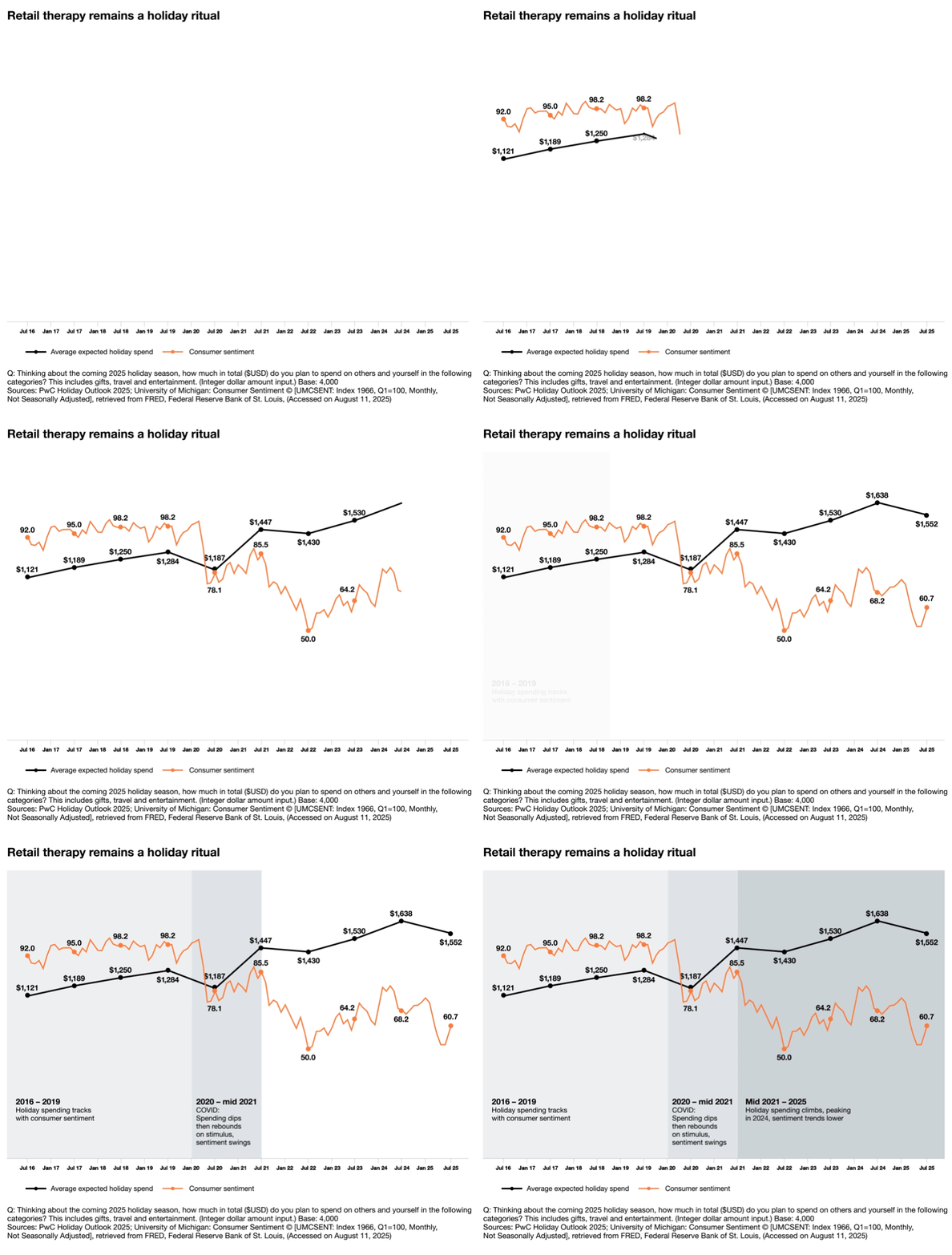
According to PwC’s 2025 Holiday Outlook survey, U.S. consumers expect their average holiday spending to decline by 5% from last year, the first meaningful drop since the pandemic. Gift spending in particular is forecast to decrease by 11%, and Gen Z plans to cut back the sharpest, reducing holiday budgets by 23%. Still, spending remains significant, averaging $1,552 per person, and consumers show no sign of abandoning traditions. Instead, they’re remixing them, with a greater focus on value, food, connection, and experiences.
Spending slows, celebration stays
The survey points to a broader mood of restraint. Eighty-four percent of consumers expect to cut back on expenses over the next six months, citing higher living costs, tariffs, and price hikes across categories. Clothing, dining out, and big-ticket items are most likely to be trimmed.
Yet even with tighter budgets, rituals endure. Holiday travel and entertainment spending are essentially flat year over year, and most people still plan to gather, host meals, and exchange gifts. Many are choosing value-conscious options, such as gift cards, which help stretch budgets while maintaining the spirit of giving.
A generational divide
The biggest rift is between generations.
- Gen Z is under the most pressure, reporting the steepest declines in spending as they balance entry-level wages, life transitions, and limited savings. This group is also the most values-driven, prioritizing resale, upcycled products, and wellness-oriented gifts. Nearly two-thirds of respondents say sustainability influences their purchasing decisions.
- Millennials remain steady, with only a slight dip in planned holiday spending. While fixed costs weigh heavily, this group is also entering peak earning years, balancing restraint with tradition.
- Baby boomers are heading in the opposite direction. Their holiday budgets are set to rise by 5%, fueled by greater financial security and a focus on family gifting.
Households with children are powering holiday demand, budgeting more than double what child-free households plan to spend. Region also matters: shoppers in the Northeast and West are outspending the national average.
Value takes center stage
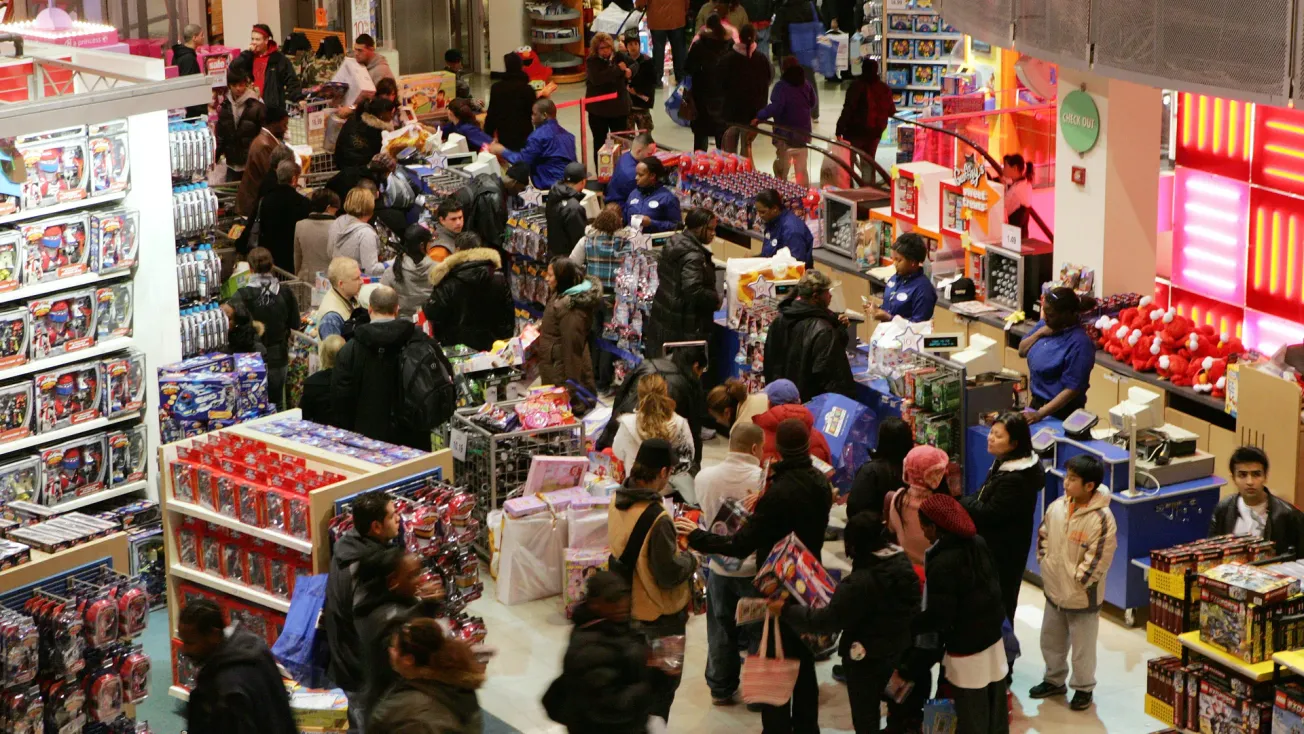
Across all groups, value is the through line. Seventy-eight percent of consumers say they’ll seek out less expensive alternatives this year, and internet searches for discounts and coupons are rising. Many plan to redeem deals during the five-day shopping sprint between Thanksgiving and Cyber Monday, when nearly 40% of planned holiday gift spending is anticipated to occur.
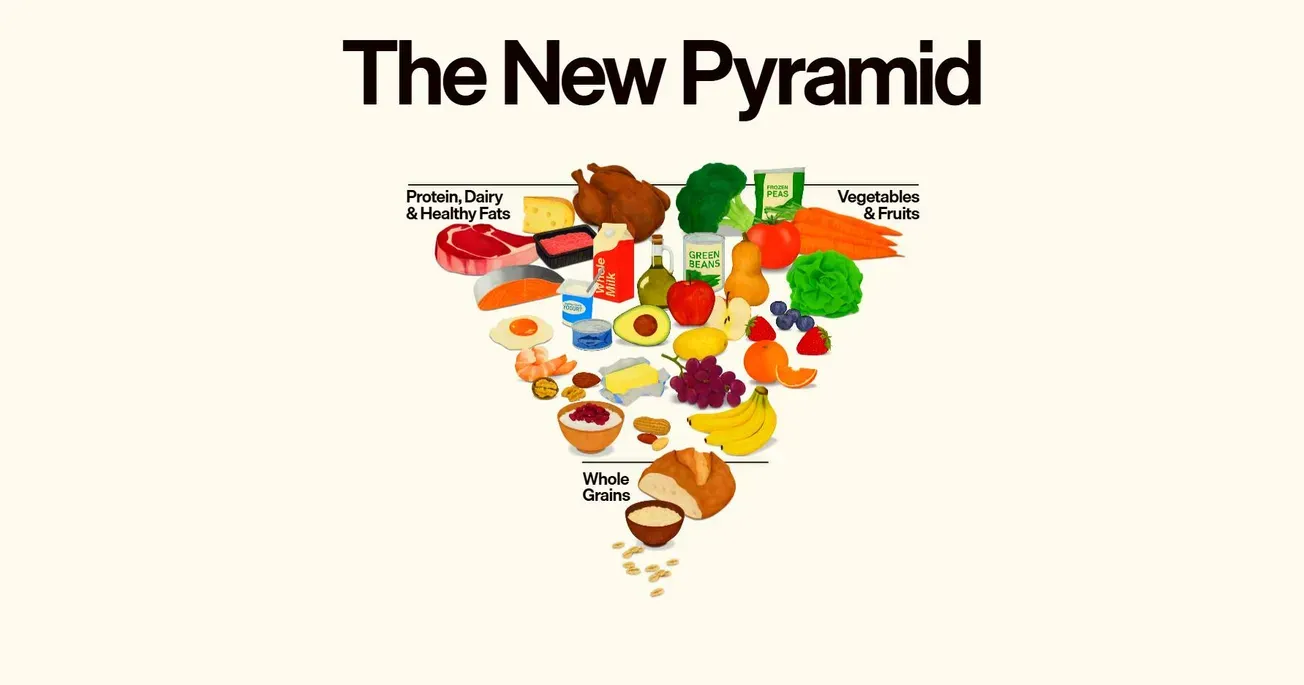
Gift cards and consumables are among the most resilient categories. Food, in particular, has emerged as both a centerpiece of celebrations and a top gift option. Consumers say they’ll spend more on groceries for gatherings, and edible gifts, from artisanal treats to wellness-forward snacks, offer an affordable way to show generosity without adding clutter.
Tech and trust in the shopping journey
Technology is reshaping how people discover and plan holiday purchases. Gen Z now uses social media as often as search engines to find gift ideas, and AI-powered tools are beginning to enter the mix for product and travel recommendations. However, when problems arise, most shoppers still prefer human support, with phone calls and in-person assistance leading the way, especially among baby boomers.
Shoppers are also experimenting with new payment methods. Credit card use is up sharply, cash is rebounding as a budgeting tool, and digital wallets like PayPal continue to gain traction. Buy Now, Pay Later has a smaller but steady following, particularly among younger shoppers.
Food, family and familiar rituals
Despite cost concerns, nearly three-quarters of consumers say they plan to gather around a home-cooked meal this holiday season. For many, food is where tradition, celebration, and value intersect, a way to preserve meaning without overspending. Gen Z and millennials are leaning toward healthier, wellness-oriented food gifts, while boomers prefer indulgence.
Travel plans remain steady, with 44% of consumers planning to hit the road, primarily to visit family and friends. For those staying home, cost concerns are the leading reason, particularly among Gen Z.
The new rhythm of the season
This year’s holiday shopping season may look different, but the underlying motivation hasn’t changed: people want connection, joy, and traditions that ground them. Spending is more deliberate, and what consumers buy, from gift cards to food to experiences, reflects shifting priorities.
For retailers, the challenge is no longer one-size-fits-all discounting. Instead, the winners will be those who understand the nuances: generational divides, household pressures, and the search for both value and meaning. Brands that listen, adapt, and personalize can maintain harmony with their consumers, not just through the holiday season, but into the new year.