

The retail industry is a big deal. The National Retail Federation (NRF) recently estimated that retail is the nation’s largest private-sector employer, generating $5.3 trillion in annual GDP and supporting more than one in four American jobs. Retailers directly employ about 32 million workers — and indirectly support nearly twice that number. Yet despite its scale and importance, some of the industry’s most pressing policy concerns continue to be sidelined in Washington.Two issues in particular — credit card “swipe fees” and organized retail crime (ORC) — illustrate how slow congressional action and regulatory inertia are costing businesses and consumers alike.

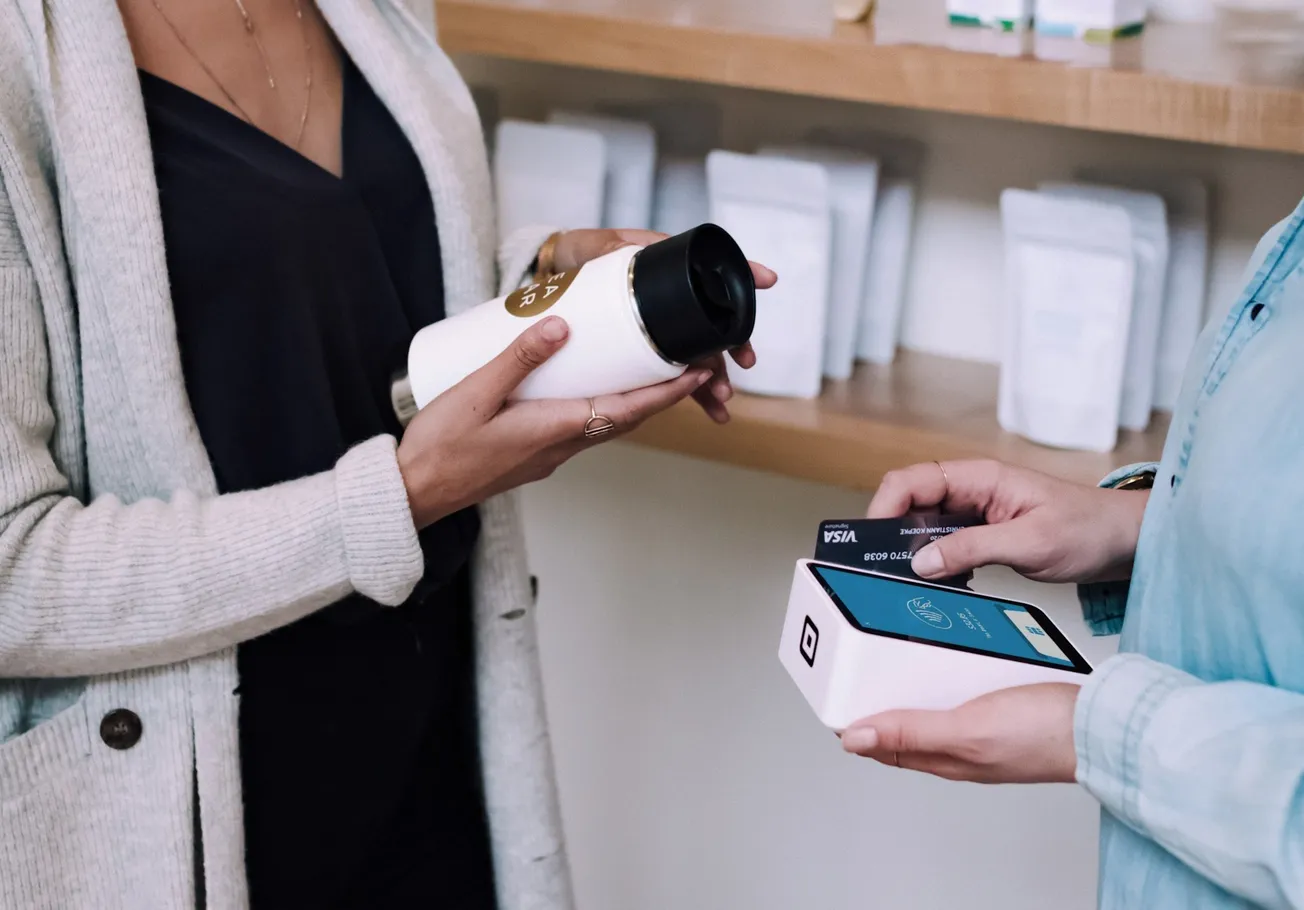
The long-running battle over credit card processing fees has dragged on for nearly two decades. Retailers have argued — with increasing frustration — that Visa and Mastercard’s dominance in the payments ecosystem allows them to set interchange rates that cost merchants billions each year. Swipe fees averaged 2.35% of each transaction in 2024, retailers say. That’s triple their level in 2010, and adds up to more than $111 billion for Visa and Mastercard credit cards alone.
A proposed settlement in a class-action lawsuit reportedly calls for a tiny reduction — about one-tenth of one percentage point — that would last only a few years. NRF general counsel Stephanie Martz dismissed the deal as “window dressing and no substance,” arguing that it fails to address the core issue: the card networks’ control over the fee-setting process.
For many retailers, swipe fees are their second-highest operating cost after labor, and they raise consumer prices by nearly $1,200 per household annually.
With litigation stalled, retailers see passage of the Credit Card Competition Act as the best hope for reform. The bill would require large banks to offer at least one alternative processing network, introducing long-overdue competition that could save merchants and consumers an estimated $17 billion a year.
Organized retail crime is another big problem for retailers. This is not about the occasional theft, but about sophisticated operations involving stolen goods, gift card fraud and cargo theft.
A recent study released by the NRF and the Loss Prevention Research Council, and sponsored by Sensormatic Solutions, called “The Impact of Theft and Violence 2025,” found that retailers reported an 18% increase in the average number of shoplifting incidents per year between 2023 and 2024. Threats or acts of violence during shoplifting or theft events increased 17% during that same time period, the report found.
Here too there’s a legislative solution that retailers see as offering hope. The bipartisan Combating Organized Retail Crime Act (CORCA) would strengthen coordination among federal, state and local agencies; provide better investigative tools; and impose tougher penalties on the networks behind these crimes.
A broad coalition of retailers, including the NRF and the Retail Industry Leaders Association, has urged Congress to pass CORCA before year-end, warning that enforcement gaps are leaving stores and employees vulnerable.
“As we approach peak retail and shipping season, the need for stronger tools to combat ORC remains urgent,” retailers and their trade associations stated in a letter to Congress last month. “Criminal networks continue to target certain segments of the supply chain and enforcement gaps across multiple jurisdictions.”