
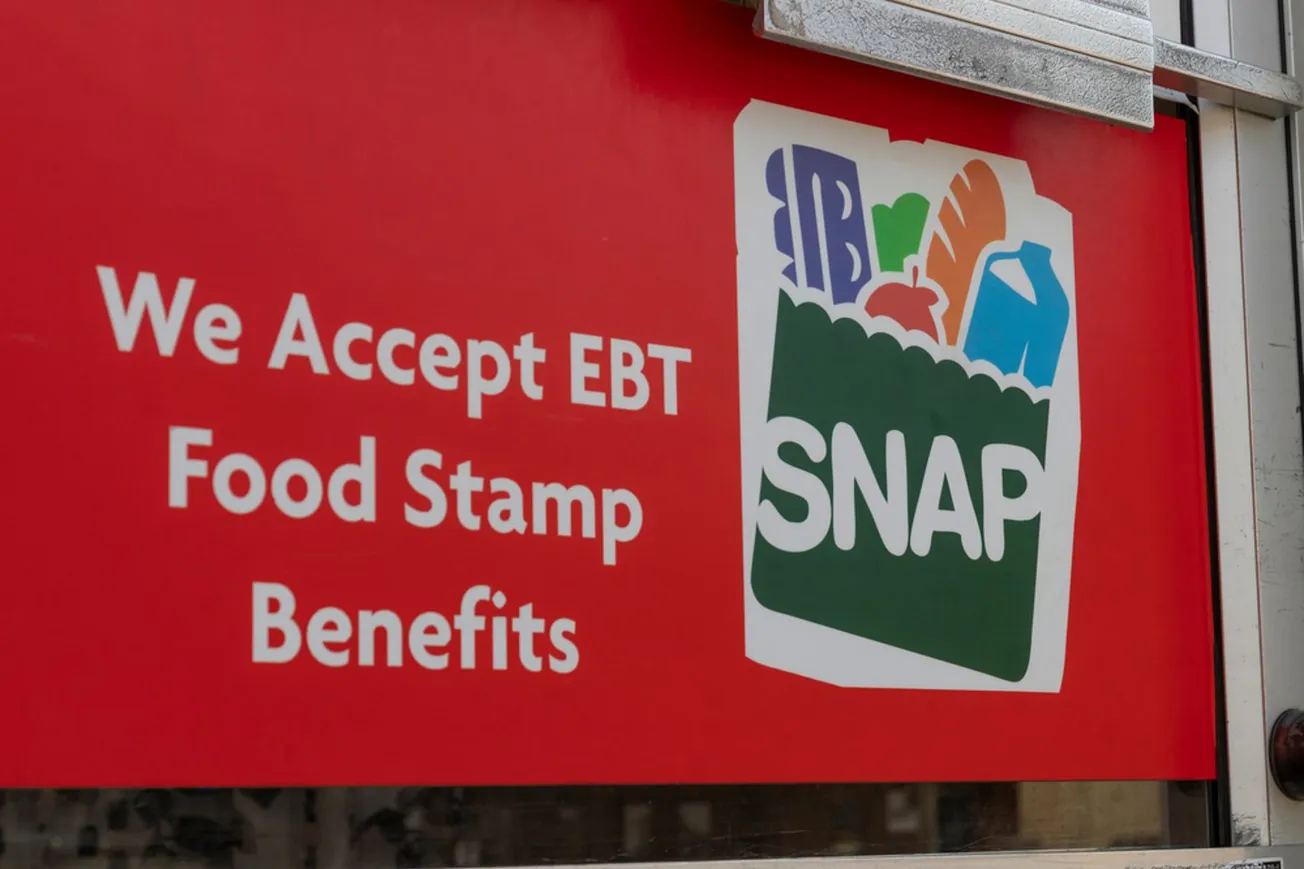
WASHINGTON — The nation’s grocery and convenience industries are warning that proposed changes to the Supplemental Nutrition Assistance Program (SNAP) could impose billions of dollars in new costs and disrupt food access for millions of American households.
In a joint release, FMI – The Food Industry Association, the National Association of Convenience Stores, and the National Grocers Association urged the U.S. Department of Agriculture to provide both additional time and clearer definitions before moving forward with restrictions that would limit which products SNAP participants can buy.
A new SNAP Restrictions Impact Analysis, prepared by Badger Metrics, found that the compliance burden would exceed $1.6 billion in up-front costs, with nearly $760 million in ongoing annual expenses. The report calculates that the initial hit is equal to 1.9% of 2024 industry net income, a margin loss significant enough to reshape operations across the retail food sector.
Up-Front Compliance Costs by Format
- $1.0 billion for convenience stores
- $305.1 million for supermarkets
- $11.8 million for small-format grocery stores
- $215.5 million for supercenters
- Total: $1.6 billion
Ongoing Annual Costs
- $378.6 million for convenience stores
- $281.4 million for supermarkets
- $18.0 million for small-format grocery stores
- $81.1 million for supercenters
- Total: $759.1 million per year
These costs stem from technology and point-of-sale (POS) upgrades, software integration, new labor requirements for stocking and labeling, compliance monitoring, and the added complexity of state-by-state variations in restricted food lists. For smaller and independent operators, especially in rural markets, the burden will be particularly acute.
In a joint statement, the associations cautioned:
“Food retailers and convenience stores are committed to supporting efforts to improve the nation’s health, but the proposed restrictions represent significant new costs and operational challenges. Without clear guidance and adequate time, these well-intended changes will create unexpected difficulties for both retailers and the customers they serve.”
Margaret Mannion, director of government relations at NACS, underscored the unprecedented nature of the reforms:
“These new restrictions are unprecedented. Without clear rules and the time to implement them, they will impose significant costs on all American consumers, not just SNAP participants.”
Peter Matz, director of food, pharmacy, and health policy at FMI, pointed to the risks of inconsistent implementation:
“We’re working diligently to prepare for this new reality, but a patchwork of state restrictions brings significant cost and operational hurdles – especially for smaller and rural stores – and can create confusion at checkout. Clear, consistent definitions and a more realistic timeline would help retailers successfully implement this new reality while keeping SNAP access smooth and dependable.”
Stephanie Johnson, group vice president of government affairs at NGA, emphasized the stakes for independent grocers:
“NGA’s members are committed to supporting the goals of SNAP and promoting healthy food choices, but the proposed restrictions present significant operational and financial challenges. We urge USDA to work collaboratively with food retailers to ensure that independent grocers have the clarity and time needed to comply, so that SNAP recipients can continue to have access to fresh, nutritious foods without disruption or confusion.”
The report warns that compliance costs could reduce industry-wide net income by nearly 4% in the first year, a significant blow to a low-margin sector already struggling with inflation, labor shortages, and heightened supply chain pressures. Retailers also caution that some of these costs will inevitably be passed through to shoppers in the form of higher prices.
The associations are asking USDA to:
- Extend the implementation timeline to allow retailers, especially small and independent operators, enough time to adapt their systems and processes.
- Provide clear and actionable national definitions of restricted foods to avoid a patchwork of state-level rules and confusion at checkout.
Without those adjustments, industry leaders warn, SNAP restrictions will not only strain retail operations but also threaten to disrupt program access and stability for the millions of Americans who rely on it.
The full report is available online here.