

DENVER — Shoppers’ growing appetite for cheese, yogurt, and other protein-rich foods is changing the very makeup of the milk that supplies supermarket dairy cases. A new report from CoBank’s Knowledge Exchange finds that U.S. dairy farmers have responded to demand signals from processors and retailers by breeding and feeding cows to deliver milk with higher butterfat and protein levels. This evolution is boosting yields, fueling innovation across the perimeter, and reshaping the economics of categories that anchor traffic in grocery and mass retail.
Over the past decade, butterfat levels have risen 13%, six times faster than in the European Union or New Zealand. Protein levels have increased by nearly 6%, also outpacing peers. That shift has given U.S. processors more raw material to turn into cheese, yogurt, butter and other products, boosting efficiency and capacity.
For retailers, the impact is visible in fast-moving perimeter categories:
- Cheese: per capita consumption up 15% over the decade to 40.5 pounds.
- Yogurt: sales increased by 10% over the past year.
- Cottage cheese: sales up 14% in the past year.
- Butter: consumption up 18% over the decade, now at 6.5 pounds per person.
The U.S. is now the third-largest dairy exporter, with processors leveraging richer milk to compete globally and fuel more innovation for domestic shelves.
Butterfat boom brings efficiency—and new challenges
Higher components mean more yield: 100 pounds of milk produced 10.4 pounds of Cheddar in 2010 versus 11.4 pounds in 2024. Butterfat yields improved nearly 16% over the same span.
Yet butterfat is rising much faster than protein. That imbalance matters because cheese requires a higher protein-to-fat ratio than naturally occurs in milk. Without standardization—such as adding protein concentrates or removing cream—cheese quality can decline, costs rise, and excess fat ends up in lower-value byproducts.
For retailers, that could mean pricing pressure, supply constraints, or adjustments in product mix as processors manage the imbalance.
U.S. growth stands out globally
According to CoBank’s Knowledge Exchange analysis, U.S. milk has seen sharper gains in component levels than its export rivals:
- New Zealand: Butterfat rose modestly from 5.02% in 2015 to 5.14% in 2024, and protein from 3.87% to 4.02%. Nearly 95% of its milk is exported.
- European Union: Butterfat increased from 4.03% to 4.13%, and protein rose from 3.36% to 3.45%—growth rates far slower than those in the U.S.
- United States: Butterfat climbed from 3.75% to 4.24% and protein from 3.11% to 3.29%, a much faster pace than either competitor.
Breed diversity in Europe and New Zealand, compared with the Holstein-majority U.S. herd, helps explain the gap in component gains.
The broader protein trend
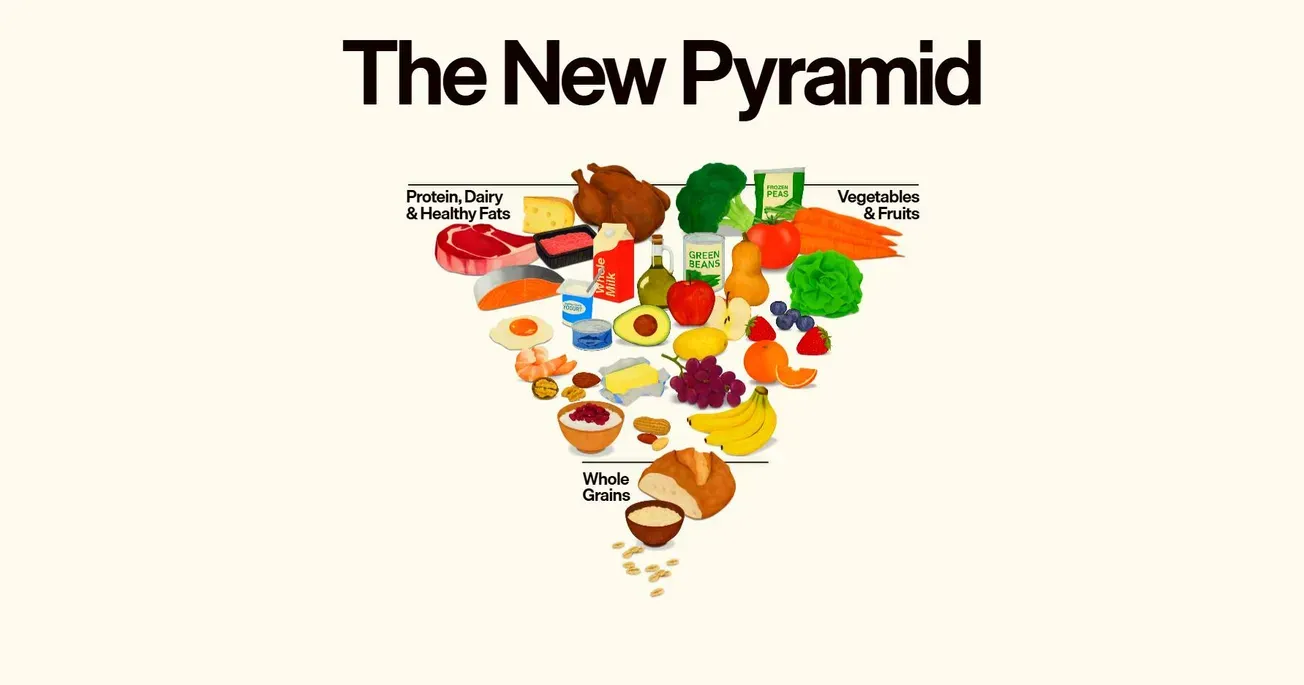
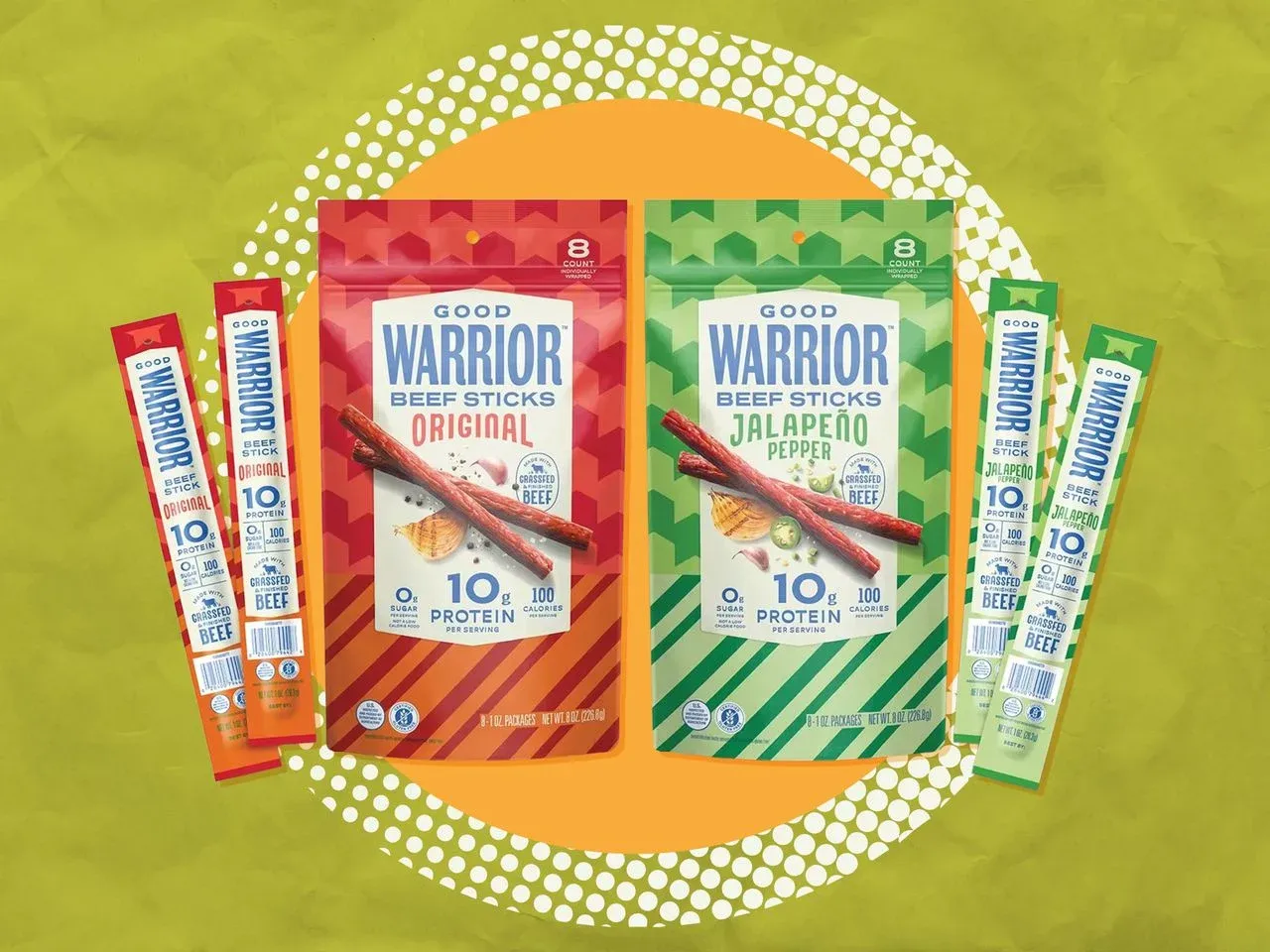
The dairy component story also intersects with a wider retail megatrend: protein as a growth engine across grocery. A recent Numerator survey found 78% of households track protein intake, giving it more mindshare than sugar, fat, or calories.
- GLP-1 households spend 25% more on protein shakes and above-average amounts on fortified snacks and protein water.
- Fortified snacks and desserts are outpacing their non-fortified peers in household penetration and trip growth.
- High-protein cereals and indulgent foods are winning over new shoppers even as traditional categories slow.
This broader context shows why milk composition matters beyond the farm gate. Dairy is both a foundational protein source and a springboard for innovation across the store. As consumers demand protein across dayparts and occasions, grocers can capitalize on dairy’s natural advantages while also expanding their assortments of fortified products.
 MMR
MMR
Retail implications
- Perimeter strength: Richer milk supports rising output of cheese, yogurt, and butter—categories that anchor traffic in fresh departments.
- Assortment opportunities: The protein boom allows retailers to position dairy alongside bars, snacks, and beverages in a cohesive “protein strategy.”
- Pricing dynamics: If butterfat continues to outpace protein, processors may face increased costs, with potential ripple effects at retail.
- Innovation runway: With $10 billion in new U.S. dairy processing capacity coming online through 2027, expect more protein-centric products tailored to both traditional shoppers and GLP-1 households.
The bottom line
The U.S. dairy industry has delivered world-leading gains in milk components, according to CoBank’s Knowledge Exchange, powering growth in core retail categories. But the butterfat-protein imbalance is a reminder that even positive trends carry risks. For retailers, the opportunity is clear: align assortments and messaging with consumer demand for protein, while staying alert to supply and pricing shifts that could emerge from the farm-to-processor pipeline.