
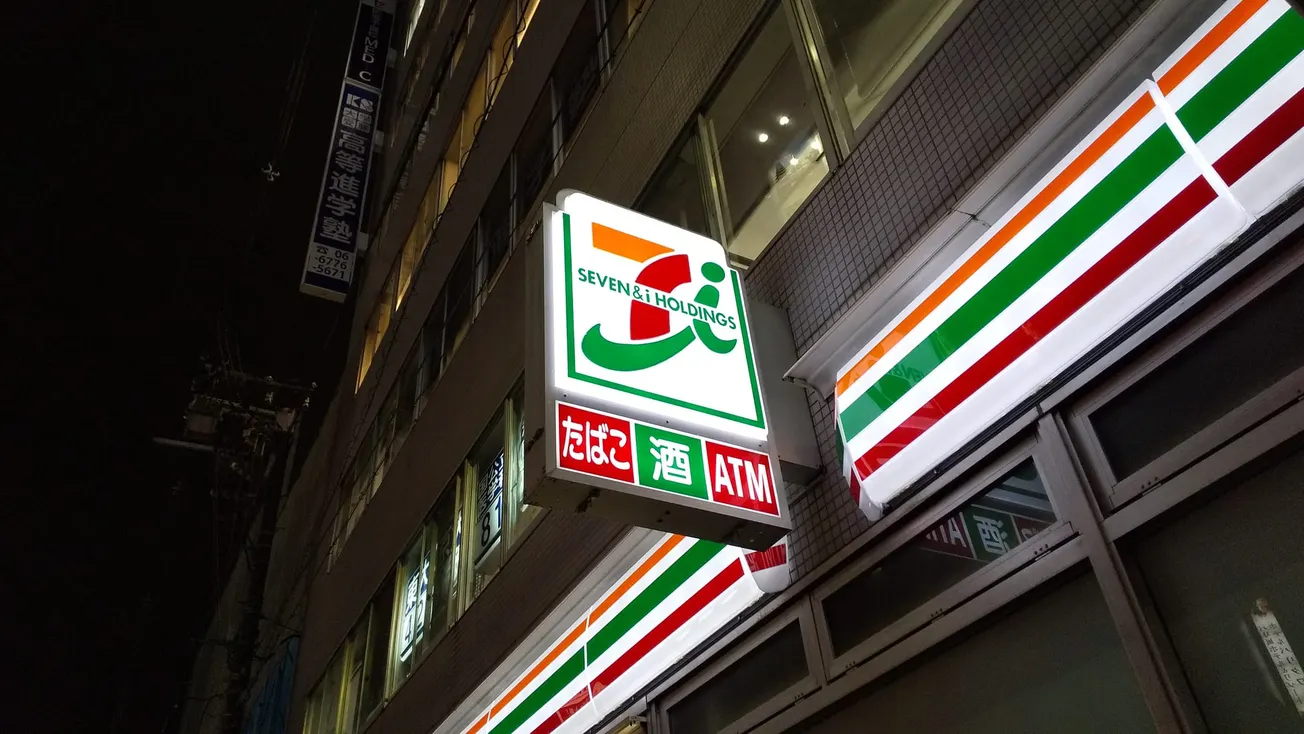
TOKYO — When Seven & i Holdings laid out its transformation strategy in August 2025, the centerpiece was clear: an IPO of its North American business in the second half of 2026, paired with an aggressive U.S. expansion and renewed focus on convenience retail.
 Thorvardur de Shong
Less than a year later, that timeline has shifted materially.
The company now says the listing will not occur until April 2027 at the earliest, a delay that reflects how quickly the macro backdrop has deteriorated and how dependent the strategy was on improving performance in the U.S. market.
| Click here for our complete C-store coverage |
From expansion narrative to execution reality
In August, CEO Stephen Dacus positioned the IPO as both a financing tool and a catalyst for growth. The plan called for:
- 1,300 new U.S. stores by fiscal 2031
- A broader 2,300-store global expansion pipeline
- Leveraging public markets to fund M&A and accelerate rollout
The North American business, anchored by 7-Eleven, generates roughly half of the company’s convenience-store profit, making it central to both valuation and investor confidence.
At the time, the IPO was framed as a way to unlock value following the collapse of a $46 billion takeover bid from Alimentation Couche-Tard and to reinforce Seven & i’s standalone strategy.
Macro pressures disrupt the timeline
That strategy is now colliding with a far more challenging operating environment.
Elevated fuel prices, tied in part to geopolitical instability, have pushed U.S. gasoline above $4 per gallon, reducing driving frequency and weakening a core traffic driver for convenience stores. Because fuel purchases typically lead to higher-margin in-store spending, the impact is amplified across the entire retail model.
At the same time, persistent inflation is reshaping consumer behavior:
- Shoppers are trading down on discretionary items
- Visit frequency is softening across fuel-linked trips
- Price sensitivity is rising in core categories like food and beverages
For Seven & i, these pressures are exposing a structural vulnerability. Its U.S. business remains heavily dependent on fuel-driven traffic, while execution challenges, including underperforming locations and a slower-than-expected rollout of prepared food offerings, have weighed on margins.
IPO now tied to turnaround credibility
Management has made clear that the IPO will proceed only once performance stabilizes and valuation can be maximized.
“The current macro backdrop, characterized by elevated oil prices and heightened geopolitical uncertainty, introduces incremental execution risk,” analysts noted, highlighting the difficulty of timing a public listing amid volatile consumption trends.
Operating forecasts underscore the challenge. Seven & i expects operating profit to decline year over year, missing analyst expectations, with softer traffic and fuel sales in North America driving the shortfall.
By delaying the listing, the company is effectively betting that:
- Operational fixes in the U.S. will gain traction
- Macro conditions will normalize
- Investor sentiment toward retail IPOs will improve
Investor skepticism lingers
The shift also comes amid lingering investor doubt.
Shares in Seven & i have struggled since Alimentation Couche-Tard walked away from takeover talks, and the stock fell again following news of the IPO delay. The reaction reflects broader skepticism about whether the standalone turnaround strategy can deliver.
Even so, the company is maintaining its capital return commitments, reiterating plans for a ¥2 trillion share buyback through fiscal 2030, including ¥600 billion already completed.
What it means for the c-store sector
The delay is not just company-specific. It signals broader pressures facing the convenience channel:
- Fuel volatility remains a primary risk to traffic models
- Foodservice expansion is critical but execution-intensive
- Macro sensitivity is increasing across value-focused retail
For operators across the U.S., the message is clear: the traditional fuel-to-store conversion model is under strain, and future growth will depend on diversifying traffic drivers and improving in-store economics.
For Seven & i, the next 12 to 18 months will be pivotal. The IPO, once positioned as a near-term catalyst, has become contingent on proving that its North American business can adapt to a more volatile and less fuel-dependent retail environment.
Submit Your Press Release
Have news to share? Send us your press releases and announcements.
Send Press Release