

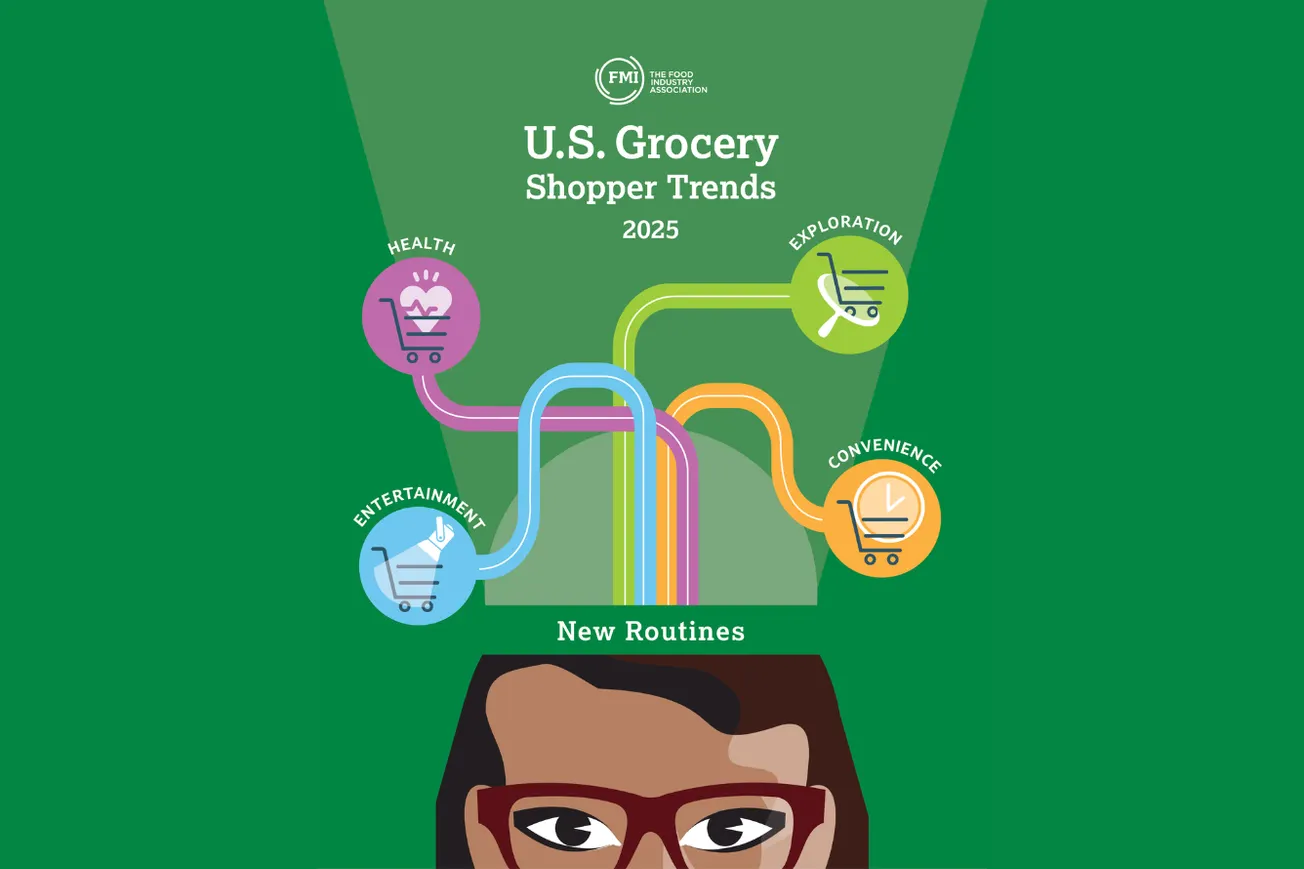
FMI report: Shoppers embrace food routines and shared meals this fall
Americans continue to enjoy grocery shopping, cook more at home, and embrace mealtime traditions that bring people together.
Americans continue to enjoy grocery shopping, cook more at home, and embrace mealtime traditions that bring people together.

Functional claims testing is expected to be the fastest-growing segment due to consumer demand for evidence-based benefits.

Placer.ai finds shoppers aren’t abandoning legacy giants but expanding retail routines, fueling a fragmented marketplace where value-focused chains win on specific shopping missions.
Discover the RangeMe Top 50 Health & Beauty Care brands and more at RangeMe.com.

The modern convenience store is no longer defined by the pump. Fresh food, singles and shifting shopper habits are changing the industry’s future.

A record 81 million U.S. households, about 61%, purchased groceries online in July.

“The CPG industry must strategically identify ways to stimulate demand and remain profitable.”

Circana says women are changing how they shop in 2025, and the trend could reshape retail.

“As consumers continue to prioritize health and nutrition, fresh foods remain essential to delivering the quality, convenience, and experience shoppers expect.”

Holiday spending is also set to soften: 38% more consumers are opting out of gift buying compared to two years ago, and 25% plan to shop only during major sales events.

“These findings are a wake-up call for marketers,” said Pini Yakuel, CEO of Optimove. “Now more than ever, consumers feel economic pressures. Marketers need agility and empathy to respond in real time. Brands must acknowledge financial anxiety through supportive, empathetic messaging.”

The trend reflects a growing focus on high-value promotions that appeal to cost-conscious shoppers.

Hispanic consumers are shifting away from mass retailers and department stores toward club and grocery formats such as Costco, Sam’s Club, Wakefern, and Publix.

North America benefits from a mature e-commerce infrastructure, early adoption by retail leaders, and a large base of digitally engaged shoppers.
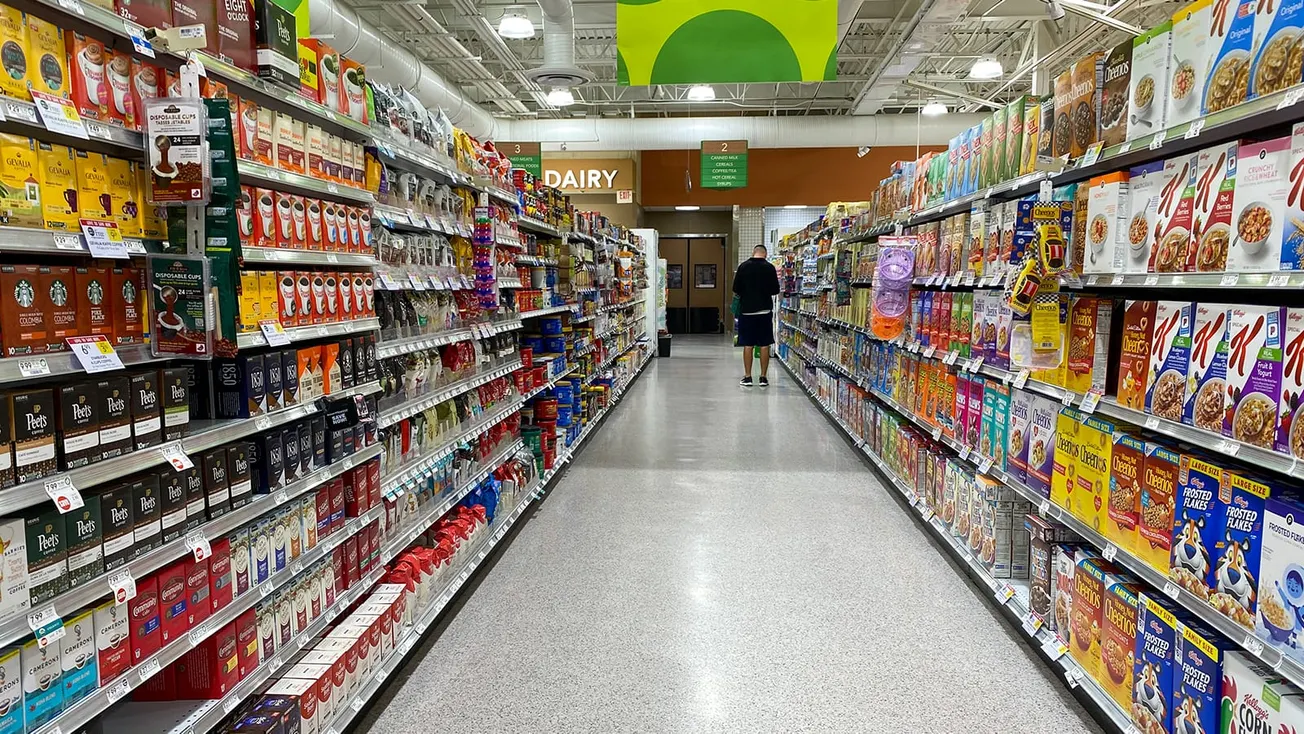
“This shopper study underscores the impact of distorted inventory – disappointed consumers, lost sales, lower margins.”

The pilot will assess program feasibility, patient nutrition security, clinical outcomes like A1c and blood pressure, and sustainability with health plan partners.