


Acosta: Fresh foods poised to drive retail growth
Fresh foods are becoming an increasingly important driver of differentiation, loyalty and growth across the food retail sector.
Fresh foods are becoming an increasingly important driver of differentiation, loyalty and growth across the food retail sector.
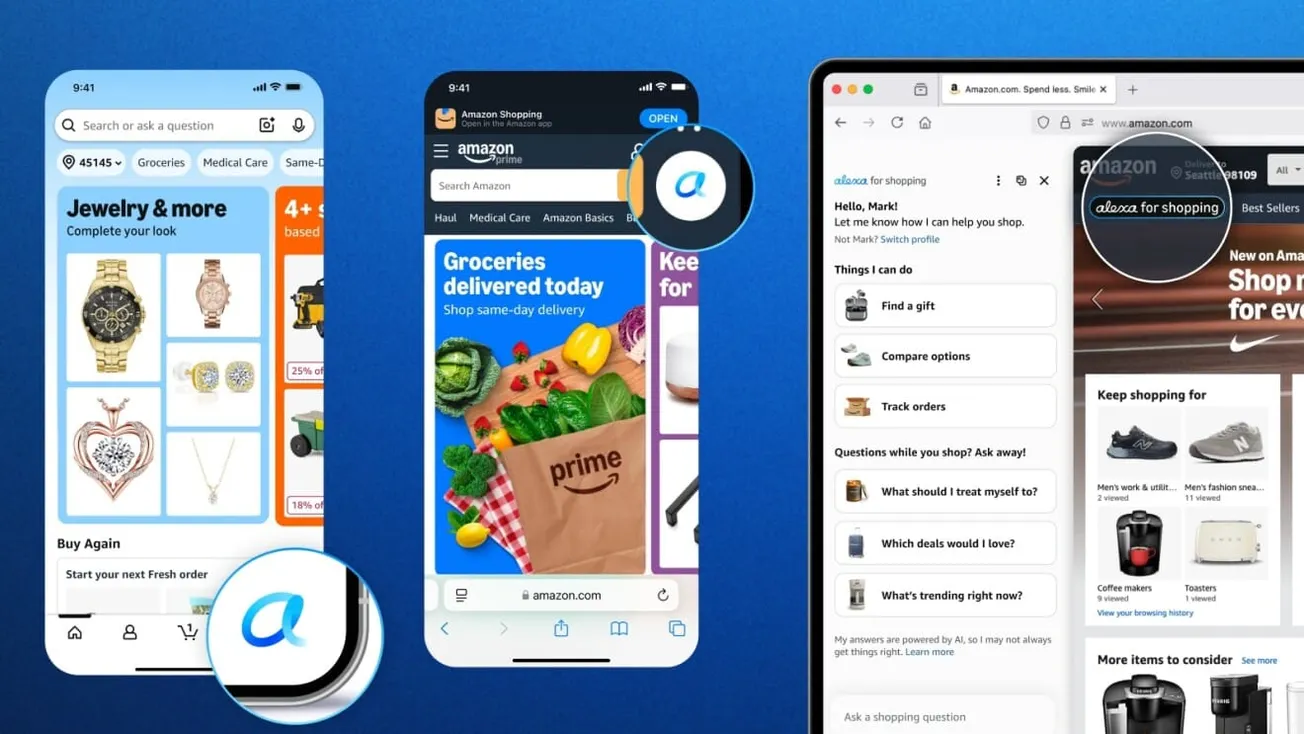
Survey results point to steps brands can take to sustain consumer engagement.

Minty’s new Smart Shopper Study finds consumers are turning to AI and cashback and savings apps, shopping earlier to uncover best values

Consumers across generations are increasingly blending premium and value purchases as middle-market brands face mounting pressure.
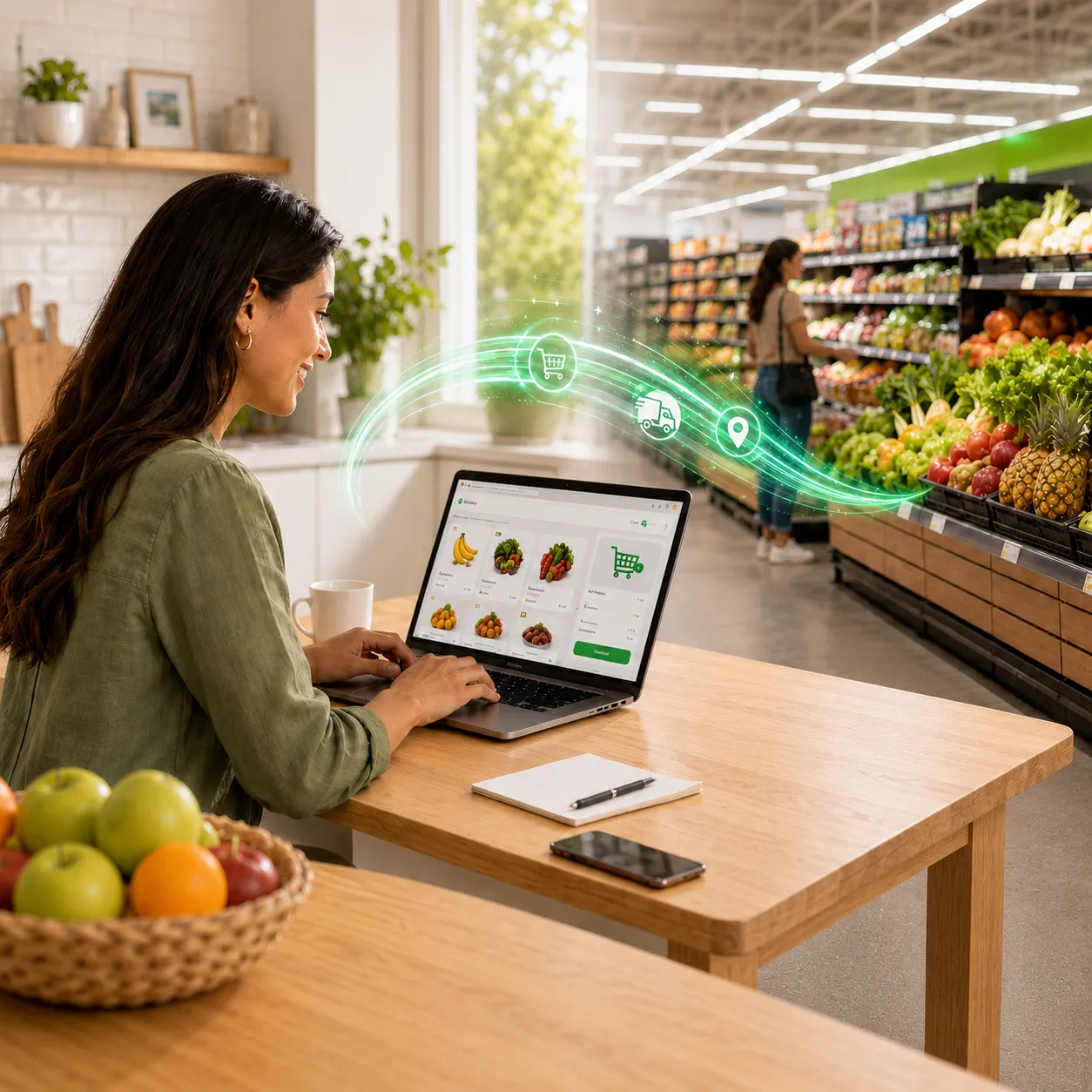
Retailers turn to AI to combat theft, improve employee safety, and boost frontline productivity, according to new industry report

Geopolitical conflicts, supply chain disruptions projected to have lasting impact on fertilizer prices and availability
Learn more about the RangeMe Top 50 Health & Beauty Care brands and more at RangeMe.com

The 2026 “Eating Patterns in America” report examines over $1.8 trillion in spending and 618 billion eating occasions.

Families are seeking value without giving up shopping, dining, and entertainment

Everyday essentials are fueling e-commerce growth through faster delivery and online grocery services, making recurring purchases more convenient.

Food and beverage manufacturers were among the major industries expanding in July as overall U.S. manufacturing growth accelerated.

Current spending should not be mistaken for durable demand, according to latest Consumer Stress Index.

NCA report finds successful transition will require time, investment, and a strong federal food safety framework

New consumer insights from Hershey and Morning Consult reveal Halloween anticipation is building earlier, creating new moments for treats, traditions and community

A new FMI report states retailers can grow by organizing beverage assortments around consumer needs and shopping occasions instead of traditional categories.
Learn more about the RangeMe Top 50 Food & Beverage brands and more at RangeMe.com.