
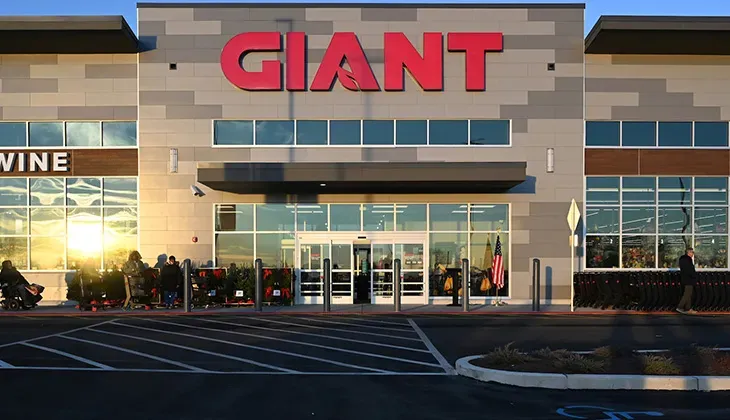
Ahold Delhaize enhances U.S. healthier choices programs
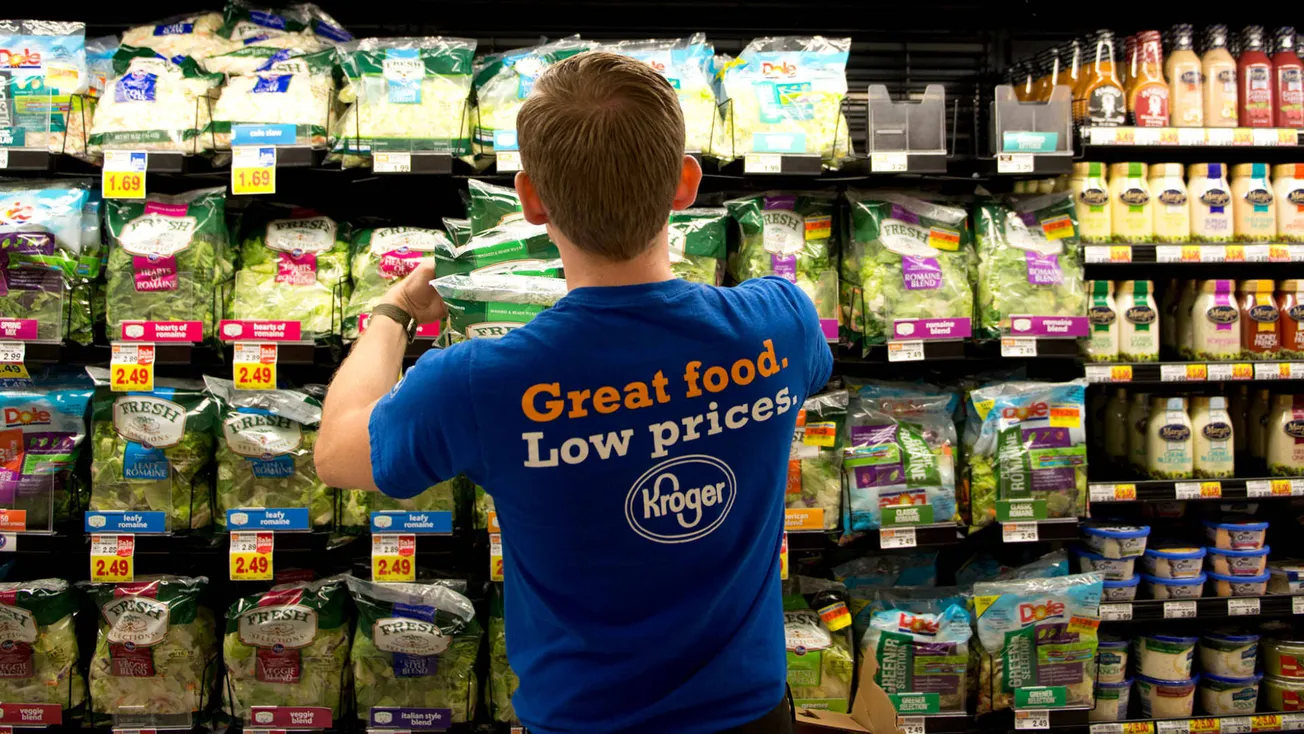
Ahold Delhaize banners are cutting sugar, sodium, and saturated fat in private-labels and adding new affordable options that balance convenience and nutrition.
“Congress needs to move forward quickly on a path that reopens the government,” said FMI.
“We’re excited about the prospect of bringing our quality products and exceptional shopping experience to customers throughout Western Pennsylvania.”
CRN has secured clarifying language in S.B. 862, ensuring supplements are not subject to baby food testing and labeling requirements.
This solution improves medication affordability at the pharmacy, streamlines patient experience, and aids Kroger in achieving better outcomes.
Big Lots! has reemerged with expanded assortments, broader categories, and a sharper focus on value.
New Jersey-based retailer-owned grocery cooperative closes deal to acquire Morton Williams store locations in the New York City Metro Area.
Shipt is teaming up with Perplexity, the AI-powered answer engine, to make shopping even more seamless and personalized with its Comet browser.
Sprouts Farmers Market and Careit have redirected over 30 million pounds of food to 216 nonprofits nationwide since 2022.
Exclusive partnerships with top entertainment brands highlight Target’s strategy to differentiate, deepen customer loyalty and capture holiday spending.
The Federal Reserve, which manages coin distribution, is already reporting shortages at numerous locations.
Dollar General helps customers save time and money during the holidays on décor, gifts, and groceries.
FMI, NACS, and NGA say proposed rules would impose $1.6 billion in initial costs and nearly $760 million each year on retailers.
The grocer is targeting long-term growth, aiming to expand to as many as 1,400 locations nationwide.
The sharpest decline in the private sector since March 2023 raises concerns about the resilience of the labor market amid slowing hiring momentum.
Prices of more than 300 items across 28 product categories will be reduced by an average of 17%.