

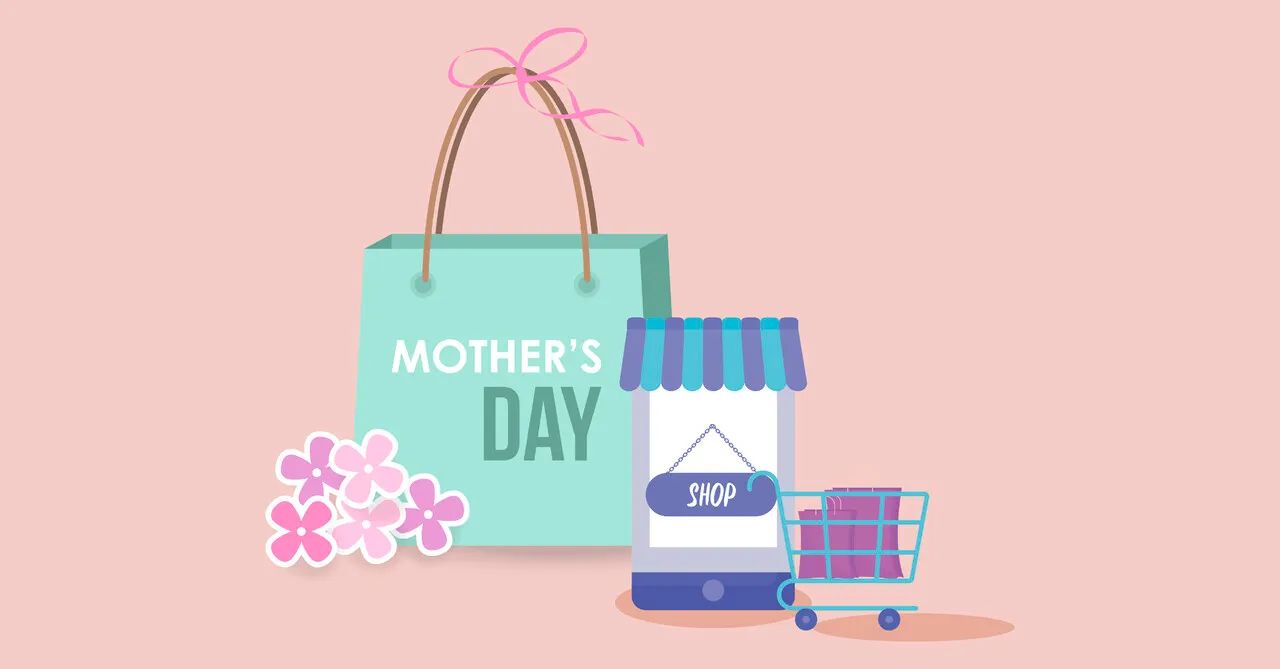
NielsenIQ reveals key retail strategies for Mother’s Day 2025
Mother’s Day remains one of the most significant retail holidays. In 2025, shopping trends are evolving, with most purchases happening in the month leading up to the holiday.
Mother’s Day remains one of the most significant retail holidays. In 2025, shopping trends are evolving, with most purchases happening in the month leading up to the holiday.
American consumers remain uneasy amid growing concerns over tariffs and economic policy, according to NRF Chief Economist Jack Kleinhenz.
Grocery and health-related retail remained steady but unspectacular: food and beverage stores rose just 0.1% from February, while health and personal care stores grew 0.4%.
Store brand dollar sales gained 5%, and unit sales rose 0.9%, compared to national brands, which were up 0.8% in dollars and down 1.1% in units during the quarter ending March 23, compared to the same period a year ago.
A study found that 76% of individuals who stopped GLP-1s still eat the same or less and many maintain healthier eating habits.
Tariffs are a major concern for grocery shoppers. Many express concern that nonfood tariffs will increase the price of food products.
In early March, 46% of consumers reported stocking up on goods such as appliances and clothing out of concern that prices would rise.

A staggering 96% of respondents say they are more likely to make a purchase when brands personalize their outreach.
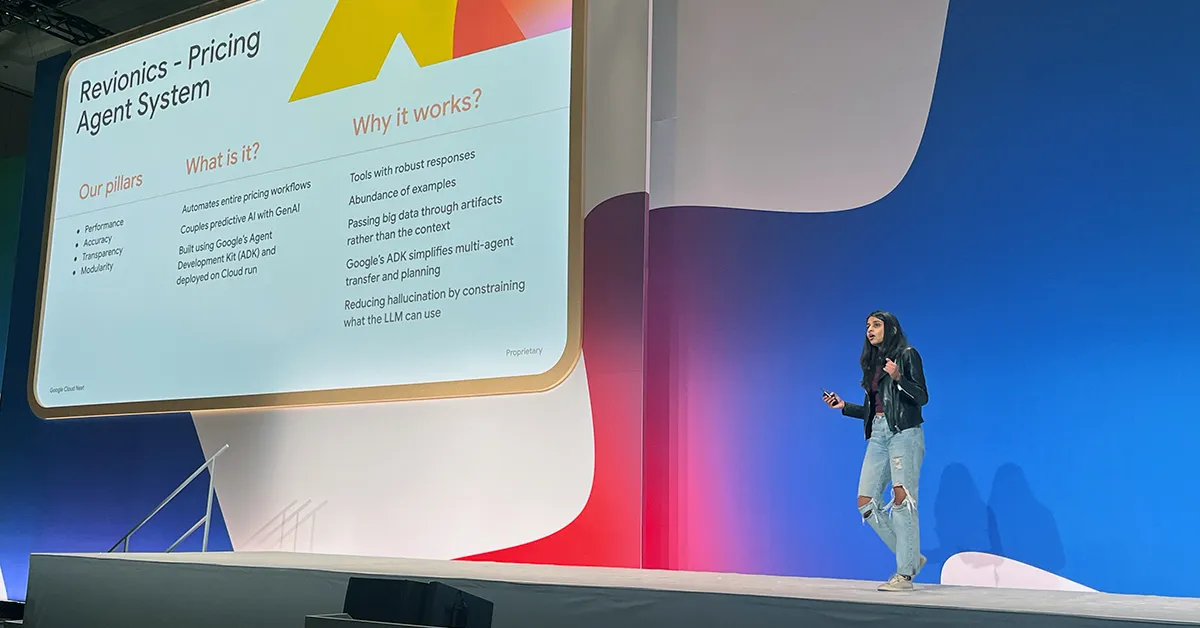
With Revionics’ multi-agent pricing system, intelligent AI agents work together to help retailers solve complex pricing problems and optimize pricing decisions.

The latest Brick Meets Click Grocery Shopper Survey shows that as of March 2025, 57% of U.S. households shop online for groceries, up from under 25% pre-pandemic.

Despite ongoing economic uncertainty, Americans are prioritizing Easter celebrations, and spending is projected to surge across a wide range of categories.

Only half of respondents find online shopping enjoyable, indicating a need to enhance the emotional quality of the e-commerce experience.
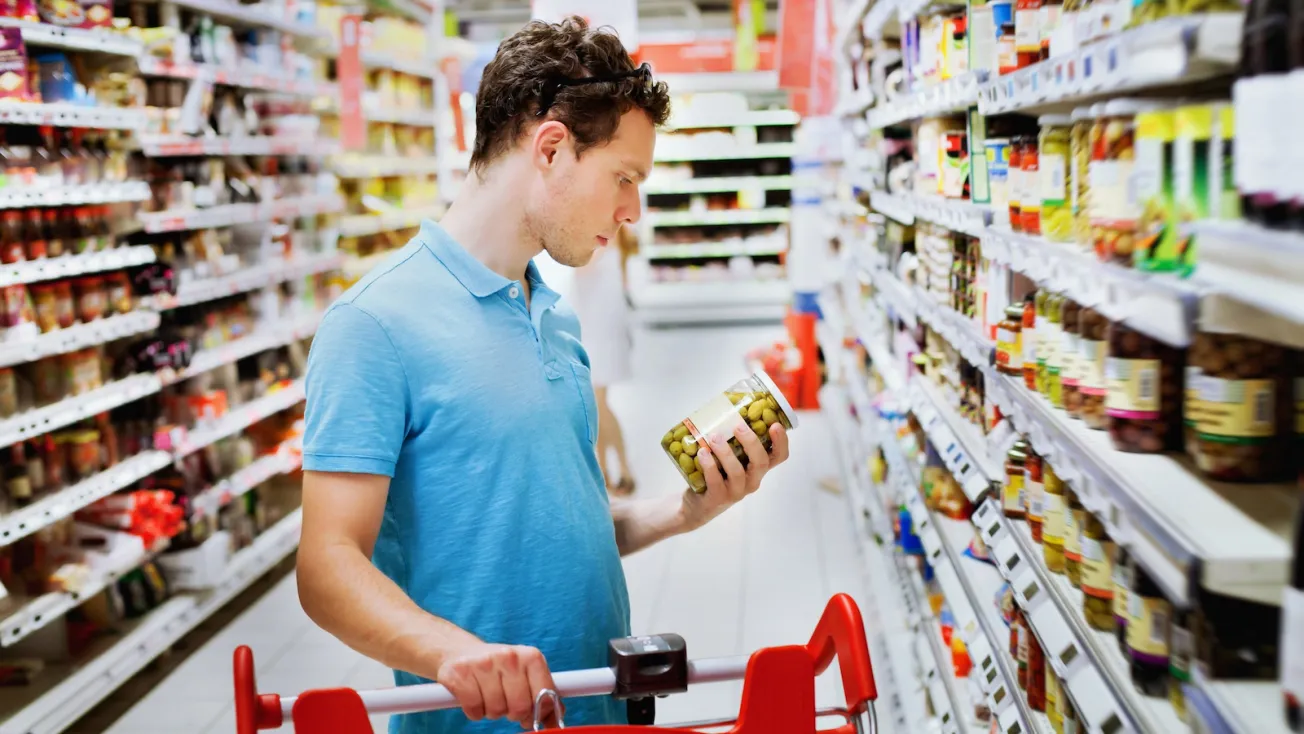
“Overall, the economy has shown continued momentum so far in 2025 — bolstered by low unemployment and real wage gains,” said NRF President and CEO Matthew Shay.
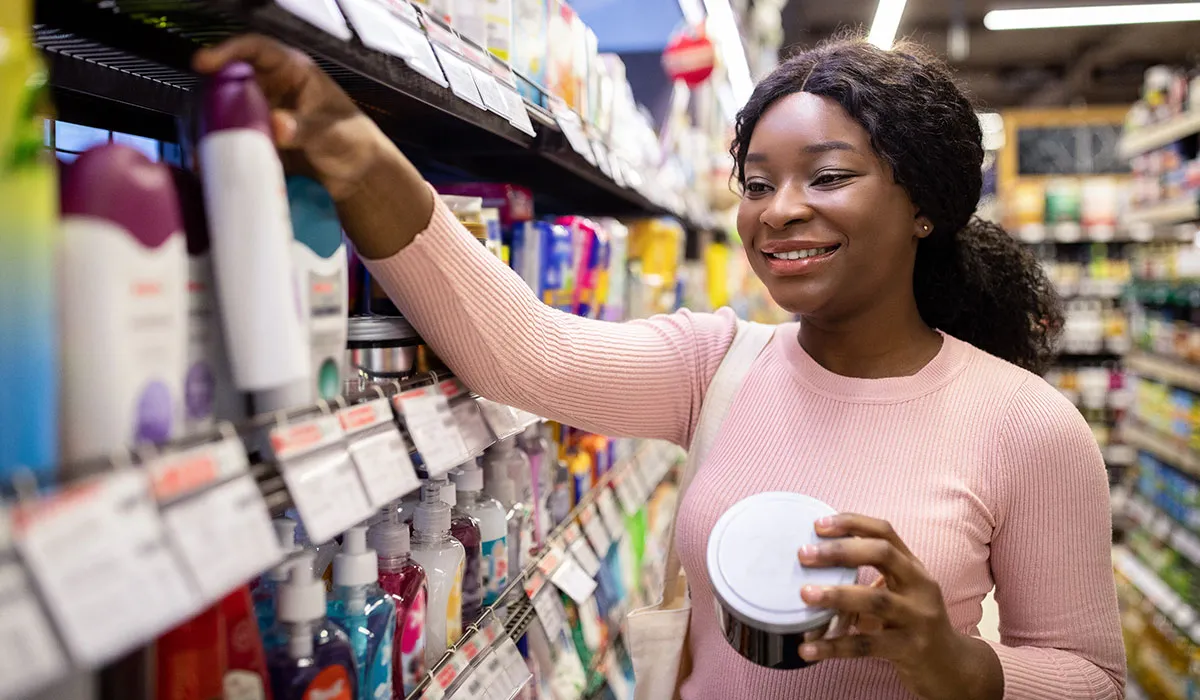
Changing consumer habits are shaping the global market landscape, with an increasing willingness to explore private label products according to a new NielsenIQ report.

Companies that successfully integrate small indulgences into their marketing may be at the top of Gen Z’s shopping lists.

A new study highlights inflation's profound and widespread effects, particularly on lower- and middle-income households.