

BENTONVILLE, Ark. — Health and wellness are personal, and they can be complex. For many people, the barrier isn’t a lack of motivation—it’s access. Care can feel out of reach when services are far away, time is limited, or the system feels difficult to navigate. This challenge is even greater in clinical research, where opportunities are often located far from the communities they aim to serve.
As health care continues to evolve, one thing is becoming clear: meaningful progress happens when care begins closer to home. The future of health won’t be shaped solely in major academic medical centers. It will grow in neighborhoods, small towns, and rural communities—in the familiar places people rely on every day.
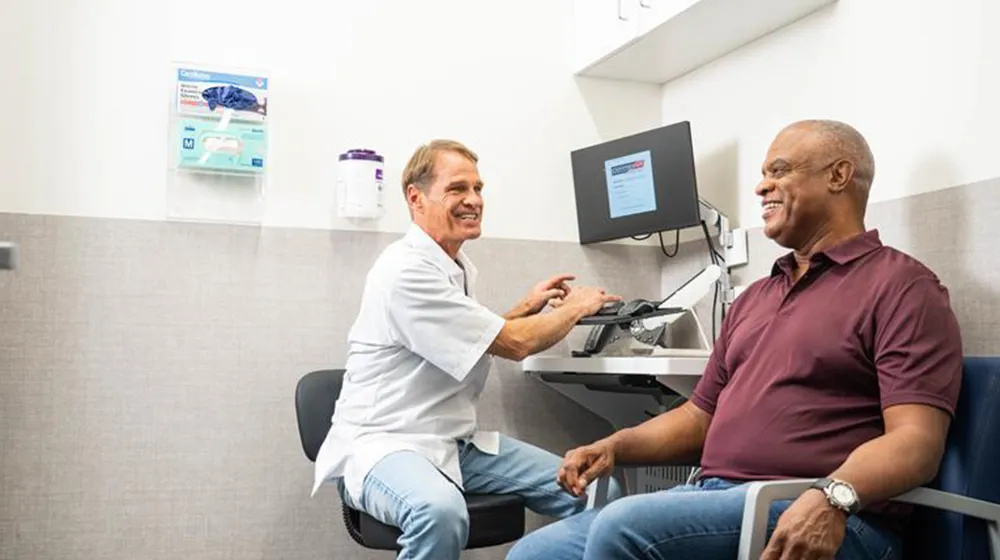
That idea is driving a new initiative from the Walmart Healthcare Research Institute, (WHRI). This spring, WHRI, in partnership with Care Access, an independent clinical research organization, will open research sites in three former Walmart Health centers and one rural Walmart store. These locations will host on-site Care Access clinical teams who provide health screenings, share information on research opportunities, and help individuals consider participating in studies—without requiring long travel or time away from home.
"Clinical research should feel practical and approachable, not distant or intimidating, especially for communities that have had difficulty participating in opportunities for innovative treatments," said Dr. Emily Aaronson, chief medical officer, Walmart.
For many families, participating in clinical research has never been about willingness. It has been about practicality. Long distances, limited awareness, and competing responsibilities can make research feel out of reach. Bringing research into familiar community settings helps remove those barriers while also opening doors to potential benefits, including early access to innovative treatments and therapies that may shape the future of care. For some participants, research can offer additional options when standard approaches are limited. For all participants, it provides an opportunity to contribute to medical advances that can benefit others in their community and beyond.
These new sites build on WHRI’s no-cost mobile health screening events and create a more consistent local presence for research engagement. They reflect a simple idea: people are more likely to participate when care and information are accessible, welcoming, and part of everyday life.
This same community-centered mindset guides Walmart’s broader approach to health. People want support that fits into their routines and respects their time. When care feels easier to navigate and closer to home, it becomes more approachable and more human.
That is also why pharmacists play such an important role in community health, as highlighted in an article in The New England Journal of Medicine Catalyst. For many people, pharmacists are some of the most trusted and accessible healthcare professionals they know. They provide guidance, preventive care, and ongoing support in settings that feel familiar and trusted. As their role continues to expand, pharmacists are helping bridge gaps in care and connect people to the services and innovations that support better health.
Health does not start in a doctor’s office. It shows up in everyday choices and moments, from managing ongoing conditions to finding answers to simple questions. Walmart’s one-stop Wellness Destination brings together pharmacy, vision care, wellness essentials, healthy foods, nutrition resources, Better Care Services, and digital tools in ways that feel practical and supportive, meeting people where they are.
That commitment comes to life during Walmart’s Wellness Event on Saturday, Jan. 24, when customers can access free health screenings, low-cost immunizations, and wellness consultations at nearly 4,600 pharmacies. For the past 10 years, it’s been one more way Walmart helps make preventive care part of everyday life.
Whether through expanding access to clinical research with WHRI, supporting pharmacists in their evolving role, or offering care in familiar settings, these efforts share a common purpose. When care is closer, it feels more personal. And when communities are supported where they live, health becomes not just something people seek out, but something that truly supports their lives.