

LAS VEGAS – Convenience retailers explored how stronger employee teams, shifting shopper preferences and practical innovation approaches can support growth during the first two days of the 2026 NACS Show. Tuesday’s conference opening and Wednesday’s expo launch linked leadership and community discussions to the challenge of serving more shopping occasions in limited store space.
Under the theme “ROI: Return on Insight,” the show emphasized translating ideas into measurable results as operators balance labor, foodservice, technology and competition across retail channels.
On the expo floor, exhibitors MMR spoke with described a channel expanding its role in consumers’ daily routines. Fuel, beverages, snacks, and meals bring shoppers through the door for different reasons, requiring retailers to coordinate packaged goods and foodservice while maintaining speed and profitability.
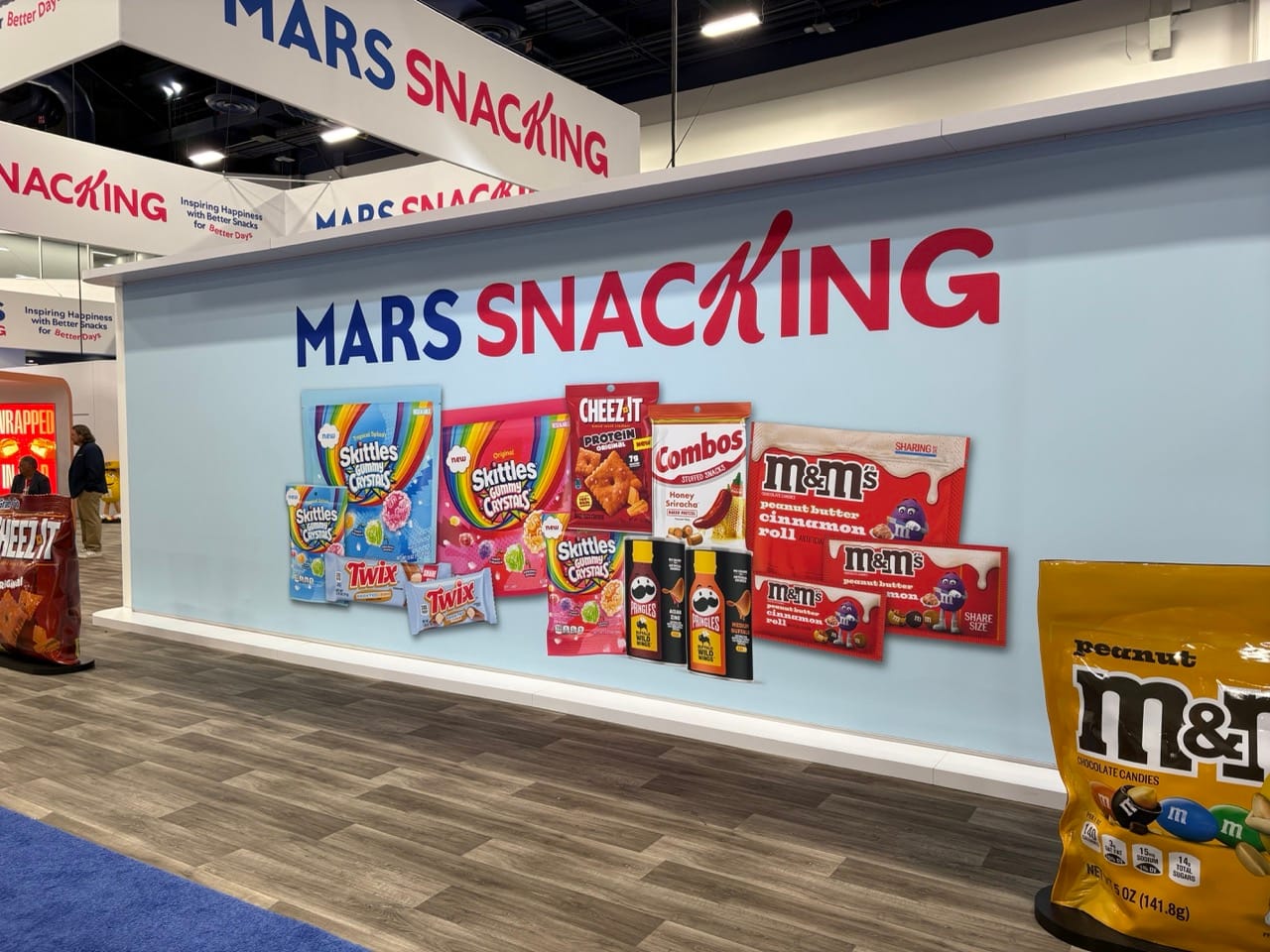
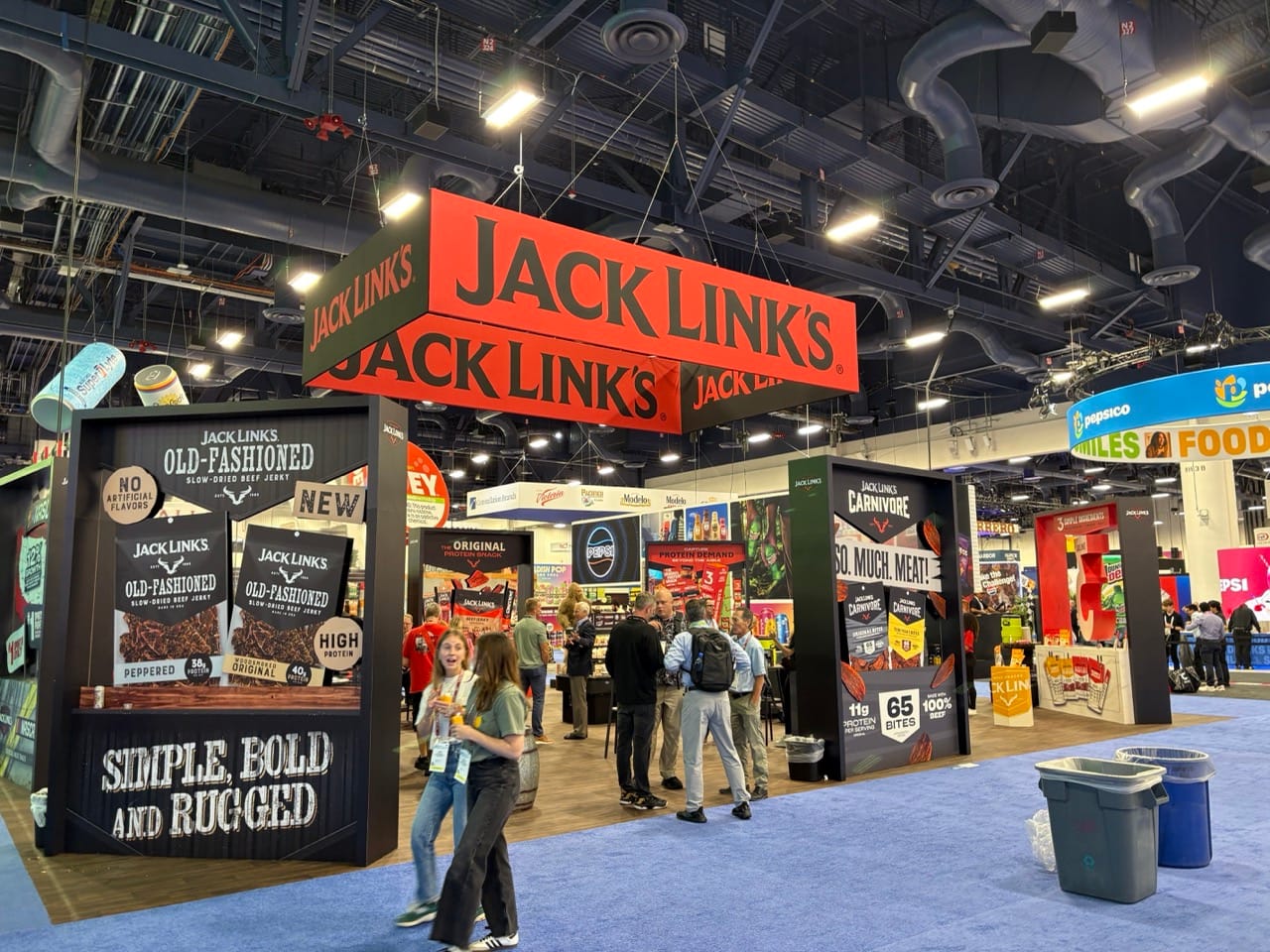
Exhibitors noted growing interest in protein, fiber, electrolytes and healthier on-the-go options. These opportunities come with practical demands, including packaging suited to convenience shoppers, clear communication of product benefits, and foodservice programs that work within small preparation areas without excessive waste.
They also described convenience as a valuable testing ground for innovation. Buying a single beverage, snack, or food item gives shoppers an accessible way to try something new and offers brands insight into which products drive repeat purchases.
That connection between products and consumer needs was a central theme of Tuesday’s session, “Food and Beverage Trends Shaping Convenience in 2027.” Suzy Badaracco, president of Culinary Tides Inc., examined how economic pressures, cultural influences and wellness priorities shape purchasing decisions.
Consumers remain selective about spending but continue to seek affordable indulgences. Food and beverages can provide comfort and reward, while interest in protein, hydration, and gut health shapes shoppers' expectations.
Badaracco encouraged retailers to examine the forces driving consumer interest when deciding whether an emerging product has staying power. She said that attention alone does not establish a lasting trend.
The opening sessions also focused on the employees who deliver the store experience. Outgoing NACS Chair Annie Gauthier, chief financial officer and co-chief executive officer of St. Romain Oil Co., which operates Y-Not Stop, and former “Saturday Night Live” producer Lindsay Shookus addressed relationships, trust, and adaptability during Tuesday’s general session.
During an educational session, Elizabeth Salceda, director of operations at Family Express, linked employee development to business performance. She described arriving in the United States as an undocumented immigrant at age 13, becoming a single mother, and advancing from associate manager to operations leadership.
Salceda emphasized understanding what motivates employees, providing support, and creating meaningful opportunities for advancement. She also encouraged women to build professional relationships before they need assistance and to seek guidance from experienced colleagues.
Wednesday’s general session carried the people theme into a discussion of community. The program featured new NACS Chairman Lonnie McQuirter, director of operations at 36 Lyn Refuel Station, and actor and “Ted Lasso” co-creator Jason Sudeikis. McQuirter focused on the role convenience stores play in their neighborhoods and the competitive value of people and curiosity.
McQuirter began his term after the October 6 NACS board meeting. His independently owned South Minneapolis store emphasizes local engagement and locally made goods.
Local knowledge also surfaced in Wednesday’s space-planning discussions. Yasir Rizvi, head of merchandise planning and strategy at Sunoco LP, described bringing store teams into the planning process earlier so that merchandising decisions translate into workable shelf layouts. Aldo Sanchez, in-store experience director at Mexico’s Mi Super Dollar General, similarly emphasized adapting assortments to individual locations and their neighborhoods.
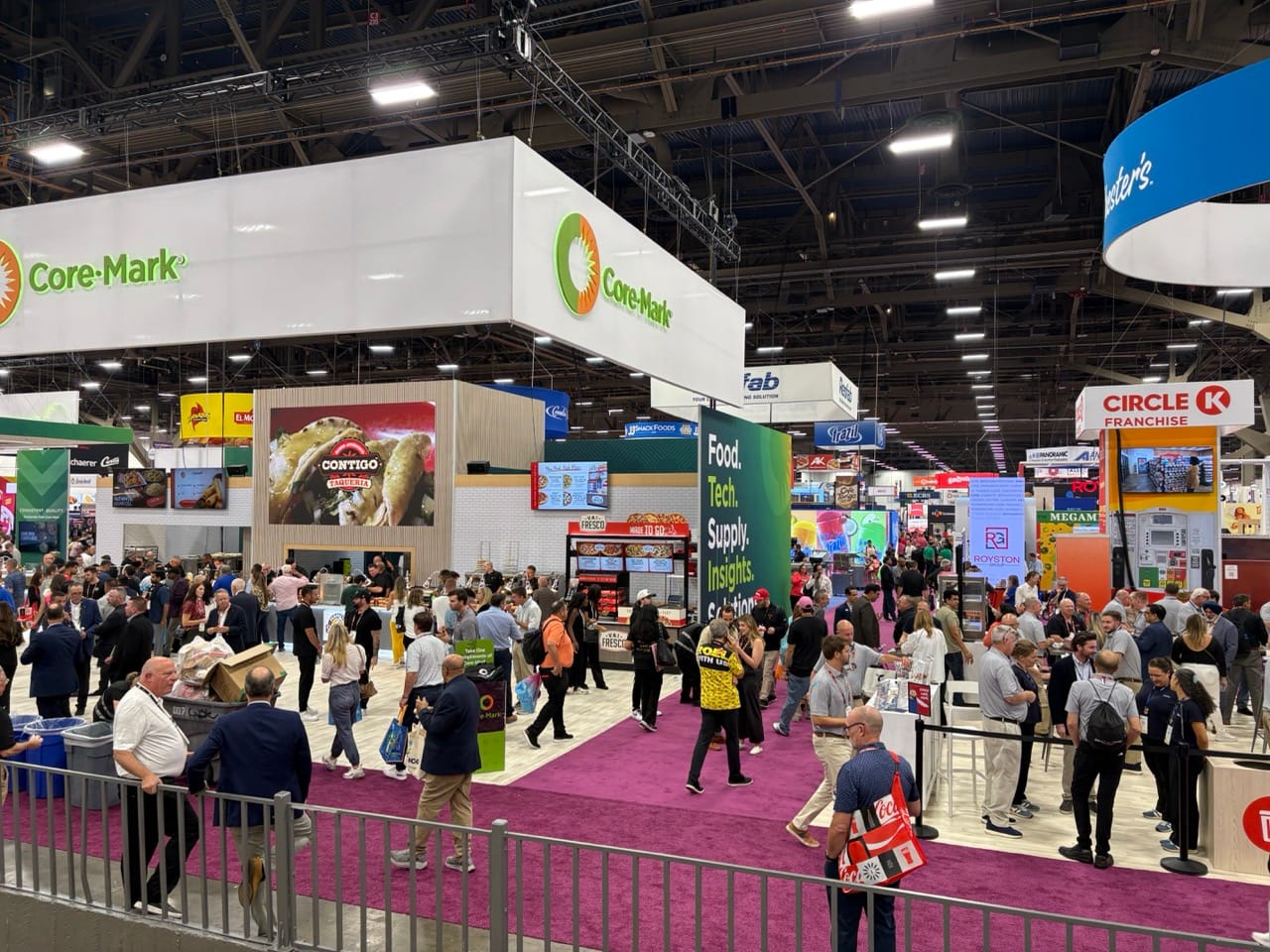
Exhibitors at MMR spoke with echoes of the need to connect strategy with execution. More detailed data and artificial intelligence are helping retailers and suppliers understand purchasing behavior, they said, but the value depends on using those insights to improve what shoppers find in stores.
Distribution remains another part of that equation. Exhibitors highlighted the difficulty of consistently reaching small urban stores and bodegas, where relationships with owners, reliable replenishment and assortments suited to local demographics can determine whether new products reach consumers.
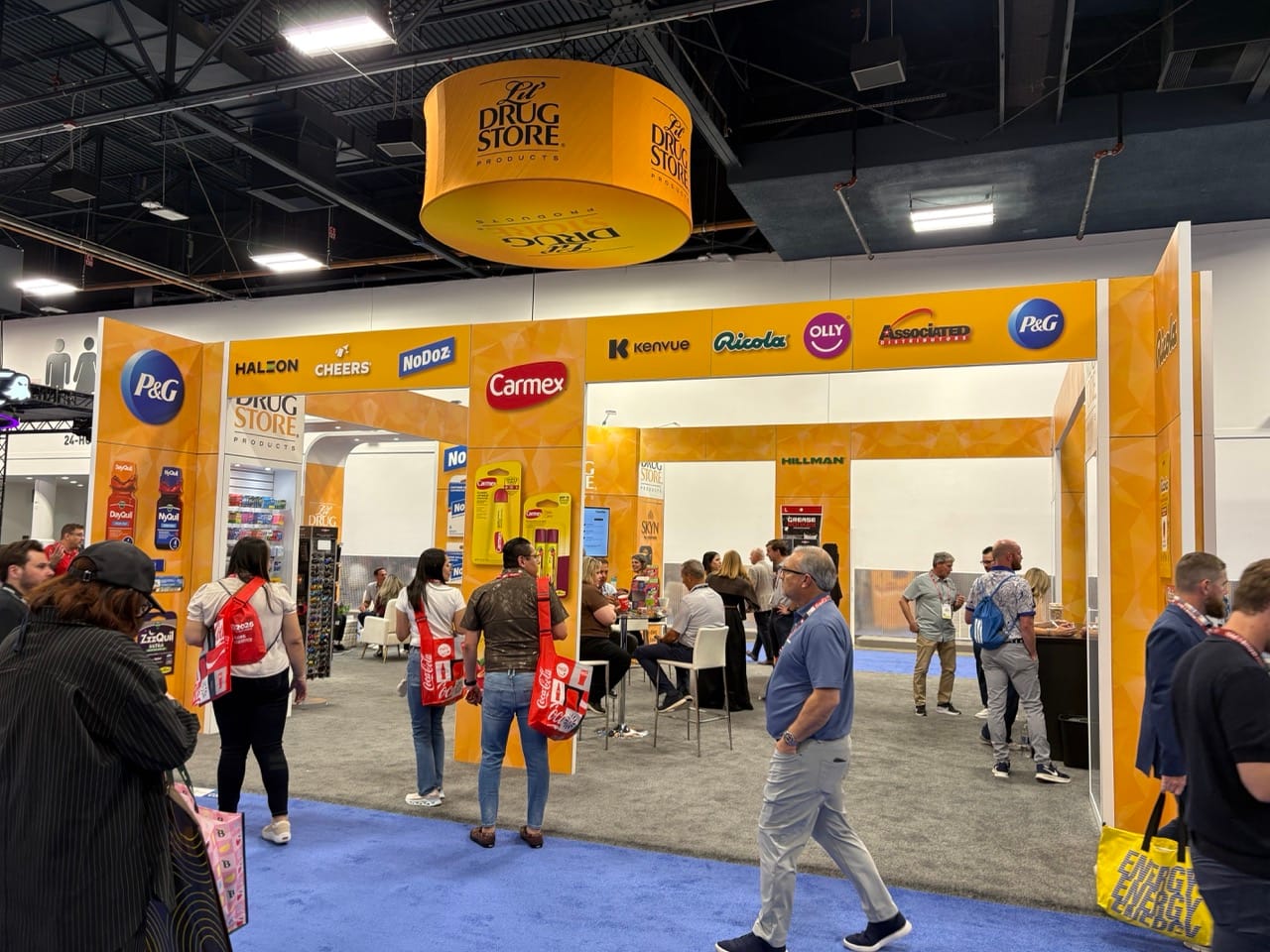
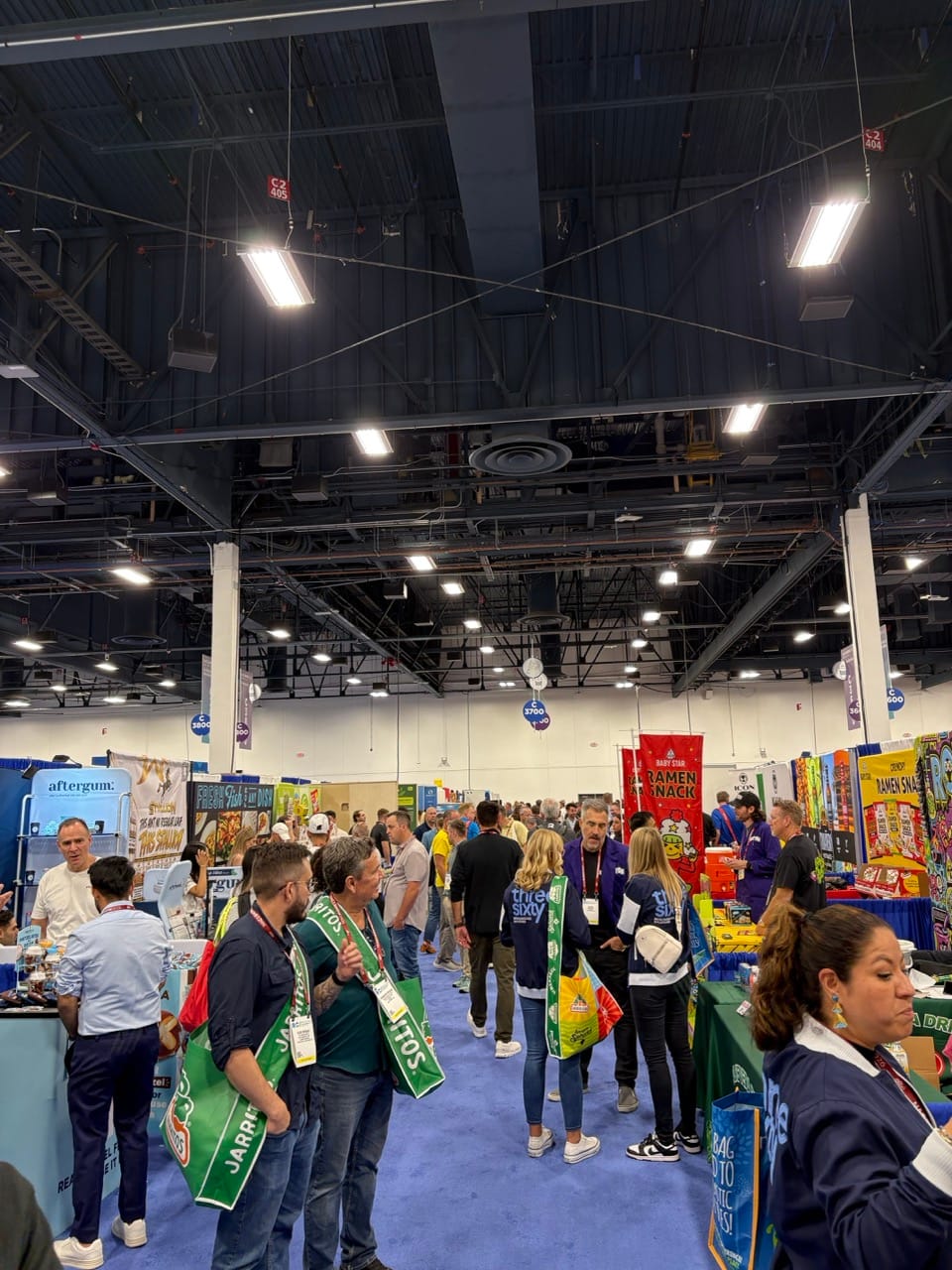
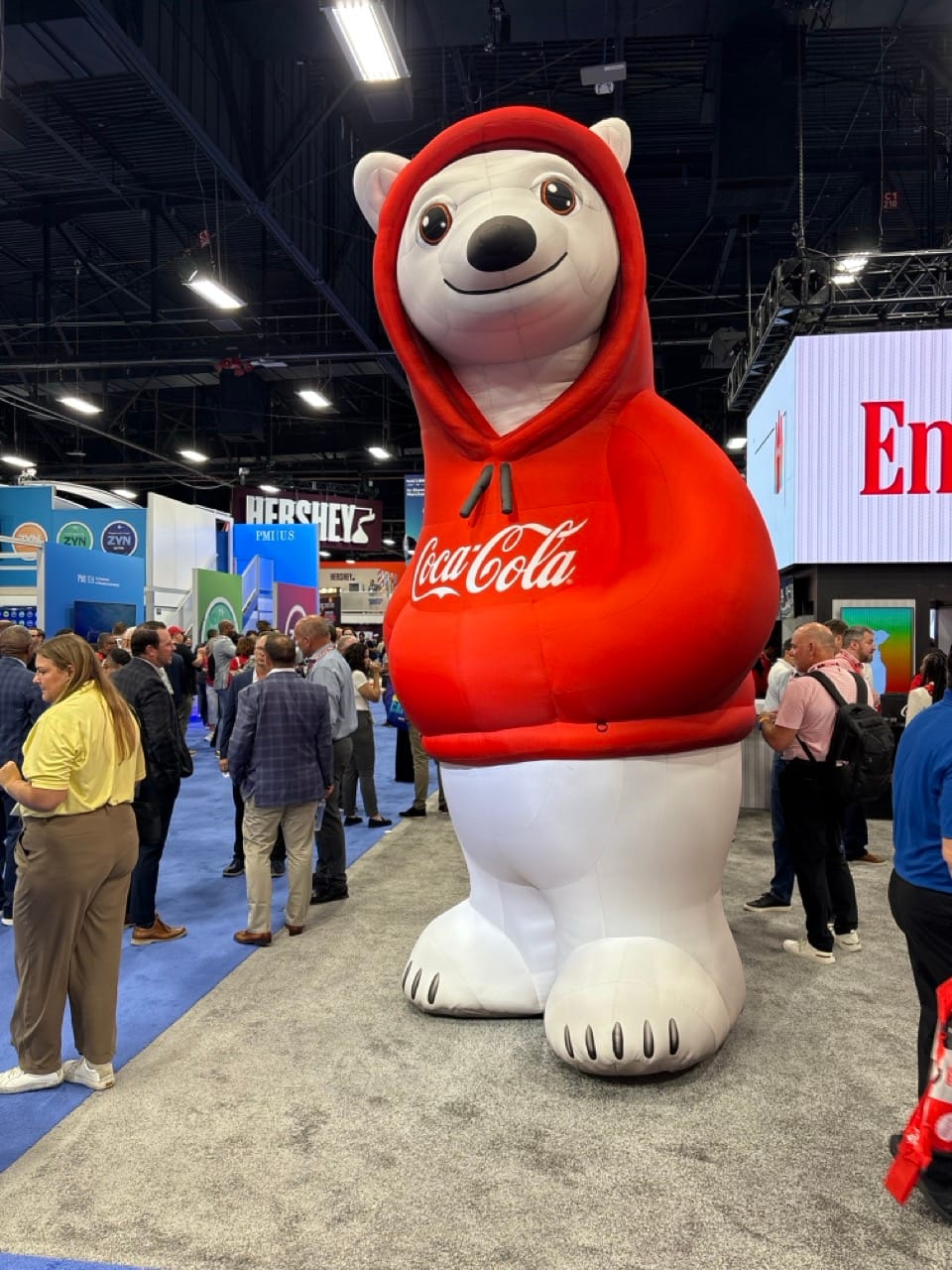
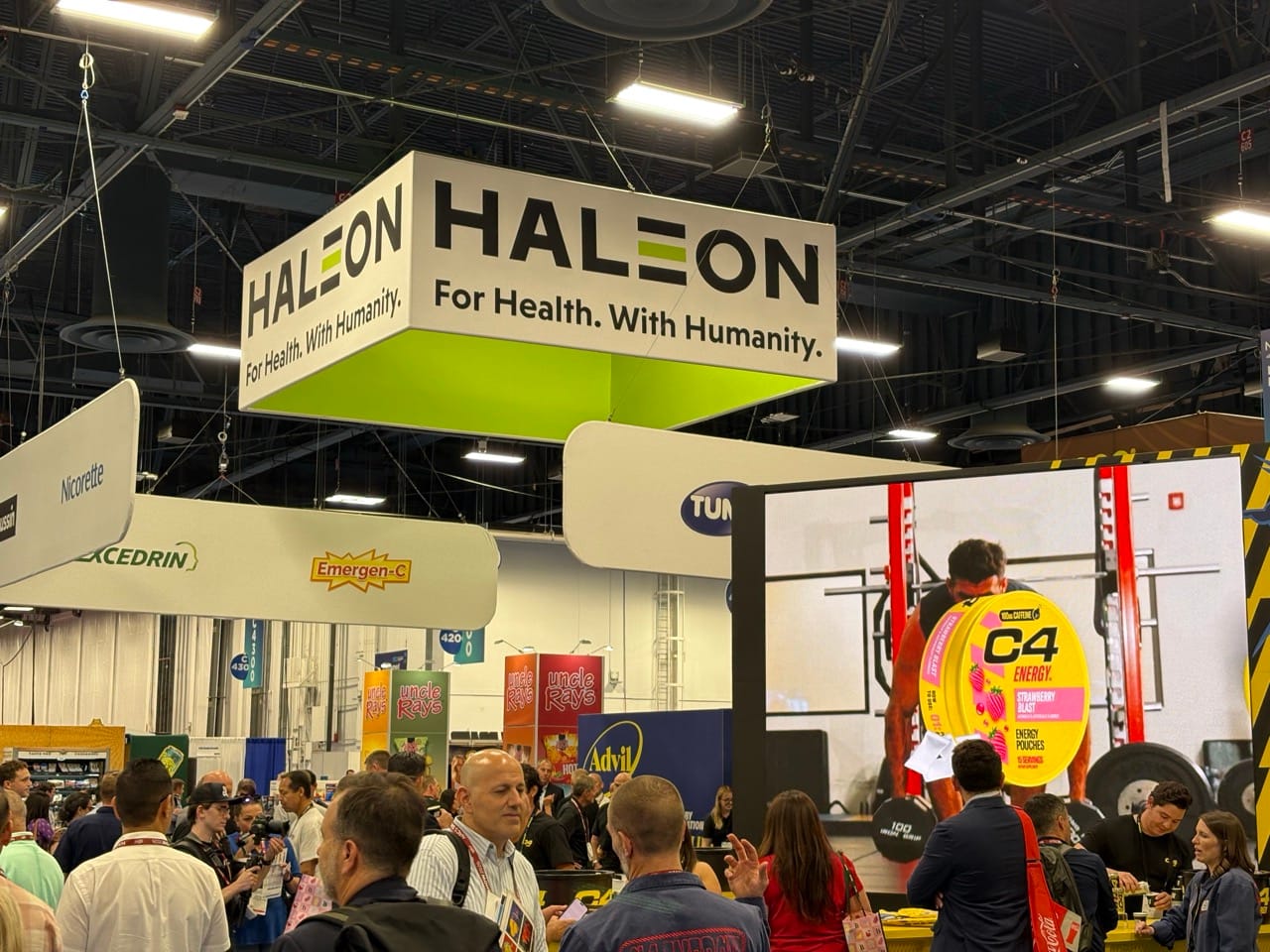
Wednesday’s expo opening gave attendees an opportunity to explore products and services from more than 1,200 exhibitors across merchandise, foodservice, fuel, technology and store operations.
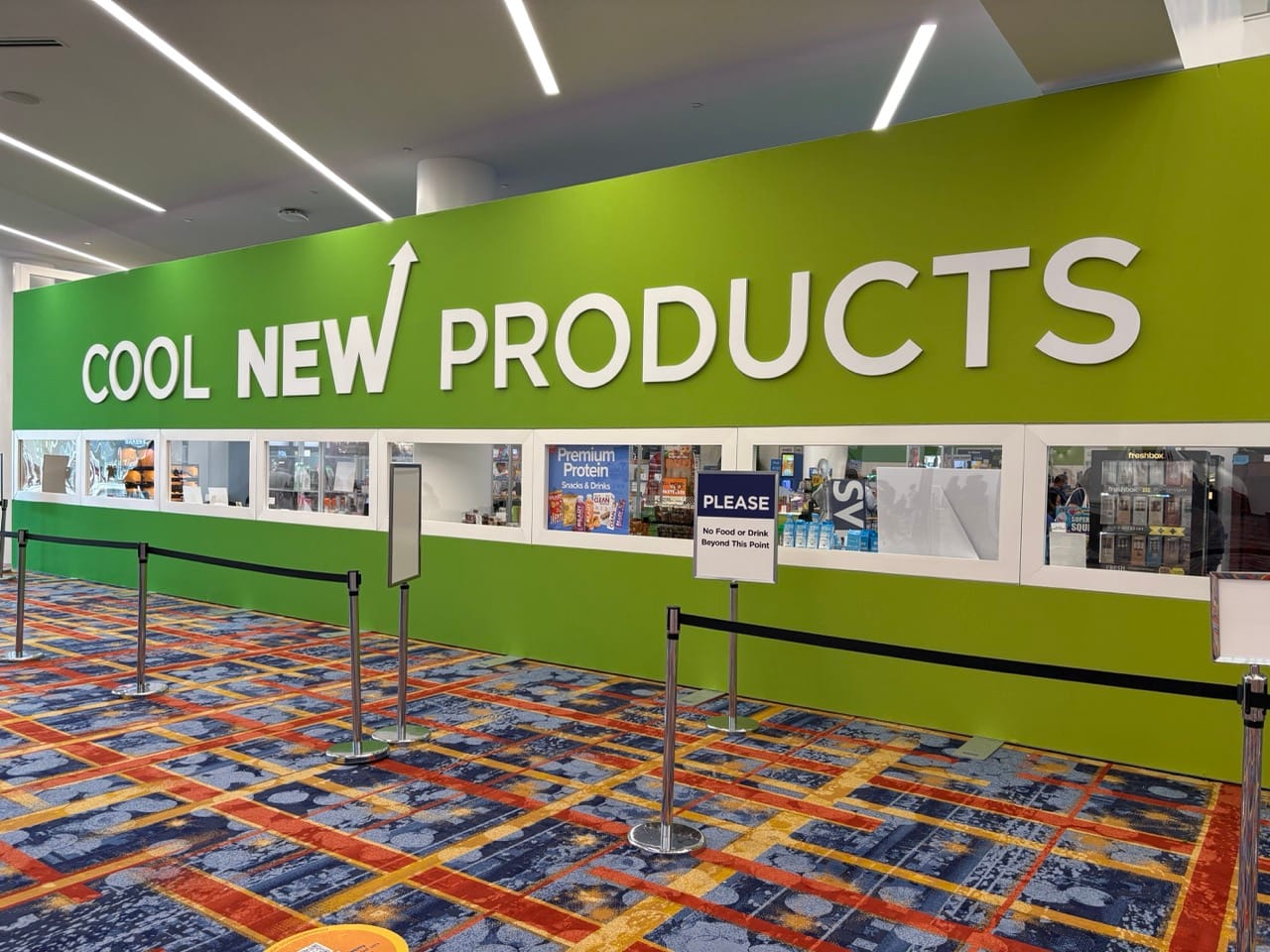
The Cool New Products Preview Room helped buyers organize that discovery process by scanning products, saving selections in the show’s mobile app and locating supplier booths. The Convenience Catalyst Showcase added innovations from suppliers without booths at this year’s show.
Over the opening two days, discussions returned to a shared operating challenge: giving customers more reasons to visit while ensuring that employees, assortments and systems can meet those expectations.
Submit Your Press Release
Have news to share? Send us your press releases and announcements.
Send Press Release